

Choosing the Right Injection Mold Machine for Multi-Cavity Production
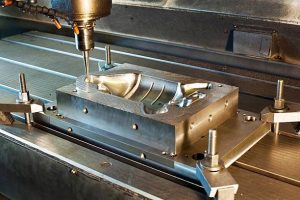
Selecting the best machine for multi-cavity injection mold production goes beyond just grabbing the largest or strongest one available. This choice impacts your whole setup. It affects energy use, part quality, tool durability, and overall costs. If you aim to grow your output while keeping high standards, picking the proper gear turns into a key step.
Before we get into the details, let’s point out a solid company in this area. Foshan Heyan Precision Mold Technology Co., Ltd. runs as a tech-focused business in Guangdong, China. They focus on creating and building preform molds, blow molds, and cap molds. With more than 10 years of hands-on work and a plant full of over 100 modern tools, their strength comes from making exact multi-cavity injection molds. These range from 1 to 144 cavities. Their slogan “Quality Achieves the Future” means something real. It’s proven by long-term success and smart engineering. For custom fixes that fit your growth, check their multi-cavity injection mold options or visit their official site.
Key Criteria for Multi-Cavity Injection Mold Machine Selection
When you move to multi-cavity production, pairing the machine with the mold involves more than size or force matches. It’s all about finding balance. You need power, accuracy, and good efficiency. A bad pick here might lead to extra material flash, bad parts, or big machines that waste money on running costs.
Matching Machine Tonnage to Mold Requirements
You have to figure out the clamp force based on the full projected area of every cavity. Also, consider the resin pressure in the injection stage. Take the total projected area and multiply it by 2–5 tons per square inch. The exact number depends on how the material flows. Add extra if you use thick materials or narrow gates.
Small machines fail to keep the mold closed tight during the shot. This causes flash and fuzzy part edges. But too much force wastes power and wears out tie bars and platens quicker. The right level cuts expenses. At the same time, it keeps parts sharp without flaws.
Injection Unit Capacity and Shot Size
The injection unit needs to push out enough melted plastic to fill all cavities in one go. Yet, bigger isn’t always smarter. Target a shot size that uses 30%–80% of the barrel space. If it’s under that, heat changes can mess up the fill. Over it, the material might break down from staying too long in the heat.
Uneven shot sizes often cause problems in cavity balance. This happens a lot with filled stuff like glass-reinforced nylon.
Precision Control Systems
In multi-cavity molds, even fill across all spots is a must. Machines with servo controls for pressure and heat can spot tiny issues right away. They fix them during the cycle.
This matters a ton in fields like medical tools or gadgets. There, tight limits mean any slip leads to waste or fixes. Seek out gear with cavity pressure checks and strong input-output features.
Machine Types Suitable for Multi-Cavity Production
Not every machine fits well with multi-cavity tools. The best one hinges on your main goals. Think speed, cost per piece, part details, or saving power.
Hydraulic Injection Molding Machines
Hydraulic types give strong clamp power. That’s great for big molds with lots of cavities. They’re simple to find and fix, and they cost less to start. But they keep using fluid and need steady cooling. Plus, they’re not as power-smart.
These work best when you need big force over quick runs. For example, in car parts with thick walls.
Electric Injection Molding Machines
Electric ones excel in steady repeats and fast paces. Servo motors rest between steps. This drops energy use by up to 70%. Their clean run suits clean rooms, like in drug making or fancy packaging.
They cost more at first. However, they hold up longer, often over 20 years with care. And they need less fixing than hydraulic setups.
Hybrid Injection Molding Machines
If your jobs shift between heavy force and fine details, hybrids offer a good mix. They blend servo pumps with hydraulic power. This gives quick cycles and handles tough molds.
It’s useful when you switch from one-cavity tests to full multi-cavity runs.
Efficiency Gains from Multi-Cavity Molding
If you’re deciding between single and multi-cavity, here’s where multi wins out. Each extra cavity boosts every part of your work, like a multiplier.
Shorter Cycle Times per Part Produced
One cycle makes one shot. But with many cavities, that shot creates several matching parts. Say, a 10-cavity mold turns a 1000-part job from 1000 cycles to 100. This means less strain on gear, fewer swaps, and smaller labor needs per piece.
Lower Cost per Part Over Time
Yes, multi-cavity molds cost more to start because they’re trickier. But for big runs, that expense spreads thin fast. A full set of quality injection molds comes with smart structure, high accuracy, steady work, quick part cycles, and low costs.
That’s why big producers pick multi-cavity injection molds. They do it even if it means more cash upfront.
Space-Saving in High Output Environments
Running four single-cavity machines takes four workers and lots of room. But one multi-cavity unit can match that output in less space. It also eases upkeep and makes better use of the floor.
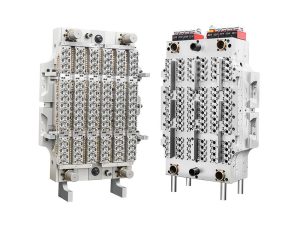
Common Challenges When Scaling to Multi-Cavity
Higher output brings more hurdles, sure. These setups aren’t simple to run. You must adjust maintenance and tighten controls.
Mold Balancing and Flow Control Issues
If the hot plastic doesn’t hit every cavity the same, some parts might not fill fully. Others get too much. To fix this, use clever runner paths, like even hot runners. Or add valve gates that open one by one based on pressure signals.
Smart hot runner setups with separate heat for each cavity are key. Get them in your tool right from the beginning.
Increased Tooling Complexity and Maintenance Needs
Extra cavities add more pins, cooling paths, and gate parts. These wear out as time goes on. Skip regular checks, and stops happen without warning. Make mold care part of your weekly routine.
Material Behavior Across Cavities
Some stuff, like glass-filled nylon, acts odd under changing pressure. Even small heat differences in mold areas can mess up fills if the heat isn’t even.
Shop air temperature can quietly shift how cavities fill if the mold heat balance is off!
Material Compatibility Considerations
Not all plastics suit high-cavity tools well. It depends on how they flow or shrink. Here’s a quick look at common ones:
-
Polypropylene (PP): Moves smoothly with little shrink—perfect for lids or boxes.
-
ABS: Holds shape well; good for car insides or covers.
-
Polycarbonate (PC): Clear and strong; fits lenses or gadget shells.
-
Nylon (PA): Tough but picks up water—needs close watch on the process.
Certain plastics act funny with pressure shifts at many gates. So, pick your material to match the mold plan early on.
When to Choose Multi-Cavity Over Single-Cavity
Single-cavity molds fit prototypes or tricky shapes. But as volume grows, multi-cavity pulls ahead clear.
Production Volume Demands
Multi-cavity shines in big production. If you aim for hundreds of thousands or millions yearly, it’s the quickest way to get your money back. You double or triple output per cycle.
Tight Delivery Schedules
Got to meet fast deadlines without adding staff? HEYAN TECHNOLOGY helped bottle makers go from two-cavity to eight-cavity setups. They did it without big changes in space or people. Just better machine choices.
Scalability and Long-Term Flexibility
Thinking past current orders turns okay shops into top ones. Your mold plan should let you add on, not start over.
Planning Ahead with Modular Tooling
Some bases let you begin with four cavities. Later, you can grow to eight by changing inserts. This step-by-step way matches spending with expansion. It’s smart for new markets.
Machine Upgrades vs New Purchases
Don’t buy new presses every time. Try adding servo injection or better controls to what you have. HEYAN TECHNOLOGY focuses on blow molding. But they often advise on injection mold fits too. Smart choices begin before the bottle forms.
FAQ
Q1: Can I convert a single-cavity mold into a multi-cavity one?
A: No—multi-cavity molds need dedicated runner systems and balanced flow design from the start.
Q2: Do electric machines always outperform hydraulic ones?
A: Not always—it depends on your part size, material behavior, and tolerance needs.
Q3: How do I calculate the right tonnage for my multi-cavity mold?
A: Multiply total projected area by 2–5 tons/in² based on material viscosity; then add some margin.
Q4: What’s the typical payback period for investing in multi-cavity tooling?
A: For high-volume production lines, payback may occur within months due to lower per-part costs.
Q5: Is it better to run fewer cavities at higher speeds or more at slower speeds?
A: More cavities at controlled speeds usually deliver better consistency over time.


