

rPET Blow Molding Molds | High Cooling Efficiency | HEYAN
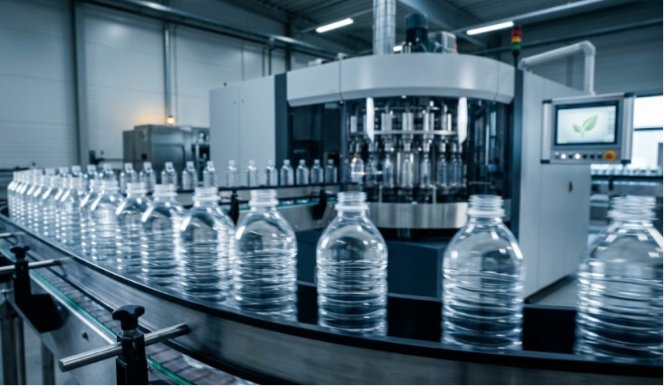
Think about your best buyer calling you on a busy Monday morning. They tell you that by next month, every single bottle you ship must be made from 100% recycled PET. You look at your machines and think it will be a very easy switch. You just pour in the new rPET resin and go. But then you start the line and everything falls apart. The bottles break easily. They look very cloudy. The bottoms are cracking like eggshells. Suddenly, your scrap bin is overflowing with trash. This is the truth for many factory owners moving toward green goals today. Using recycled material is not just about changing the bag of plastic. It is a completely different game for your heavy tools. To successfully beat the problem of plastic that breaks easily, upgrading to a really well-made blowing mold ensures your 100% rPET production runs perfectly at top speeds.
Why Is 100% rPET Harder to Process than Virgin Plastic?
Recycled PET (rPET) acts like a very tired material. It has been melted and cooled down many times before it ever gets to your factory floor. This long history changes the tiny parts inside it. New plastic is smooth and strong. But rPET has tiny parts that are much shorter. This means it is much more jumpy when you change the heat or the pressure.
The Problem with Brittle Material Properties
When you work with rPET, you are dealing with brittle material properties. The plastic does not want to stretch as nicely as it used to. It feels stiff. If you try to force it too fast using your old settings, it just snaps. Or it turns white like a ghost. This happens because the processing window is much smaller now. You have less room for small mistakes. If the heat is off by even a tiny bit, your output drops. Factory floors are noisy and hot. A small change in the room air can ruin your whole afternoon of work. You need a setup that handles this jumpy material without causing jams every ten minutes. It is a real pain for the workers when the machine stops all the time.
Should You Change Your Cavity Dimensions?
One of the first things you will see with rPET is the bottle size. It might look a bit weird. This happens because the shrinkage rate of old plastic is not the same as new plastic. If you use a mold made for new PET, your rPET bottles might end up too small. Or maybe they end up too large. This causes huge trouble when the bottles get to the filling and labeling machines.
Fixing the Scaling Factor
You have to check the scaling factor inside the metal hole. Since rPET cools down and pulls inward differently, the metal mold needs to be changed. You have to fix this movement. You cannot just guess the numbers. It takes real math to find out how much the plastic will pull in as it turns into a solid. If the hole is not the right size for rPET, you will see labels falling off. Maybe the caps will not twist on right. It is a tiny detail, but it creates a giant headache for the team. If the bottle is even 1mm too thin, the whole pack might fall over in the truck.
Can Better Mold Venting Solve Surface Flaws?
When you blow a bottle, the air inside the mold must go somewhere fast. If it stays inside, it pushes back against the hot plastic. With rPET, this is a much bigger issue. This is because rPET resin flow is not very smooth. It is thicker and more stubborn. If the air cannot get out in a split second, you get surface flaws. These marks make the bottle look cheap and bad.
Clearing the Path for Air
Bad mold venting leads to an ugly parting line. This is the long seam where the two halves of the metal mold meet. If the air is trapped, the plastic cannot press hard against the cold metal walls. You end up with blurry corners and rough edges. You need to add more air holes. Or you can make the old ones a bit deeper. This lets the air vanish instantly. Then the plastic can fill every tiny corner of the design. When the air is gone, the plastic hits the cold metal much faster. This gives you a sharp, clean bottle. It looks like it was made from brand new material. Plus, it feels better in the hand of the customer.
Why Does the Bottle Base Break So Easily?
The bottom of the bottle is where most rPET plans go wrong. During the blow process, a long metal stretch rod pushes the plastic down to the very bottom. Because rPET breaks so easily, that sudden push often creates tiny cracks in the base. You might not see them at first, but when you fill the bottle with soda, it leaks everywhere.
Protecting the Base Design
If your base design is too sharp, the brittle rPET will just fail. You need to make the corners in the base insert much smoother. Think of it like giving the plastic a soft slide instead of a sharp drop. By changing how the stretch rod touches the bottom of the mold, you lower the stress. This stops the base from breaking during the high pressure air blow. It is a small change in the metal shape. But it saves you a lot of money because you stop throwing away good resin. A strong base means you can stack the bottles higher in the warehouse without any worries.
Is Your Cooling System Fast Enough?
Heat is the enemy of a clear rPET bottle. If the plastic stays hot for too long inside the mold, it starts to turn white. This is what we call thermal crystallization. It makes the bottle look foggy and very weak. Since rPET is more jumpy with heat, your cooling system has to work much harder than before.
Boosting Base Cooling Efficiency
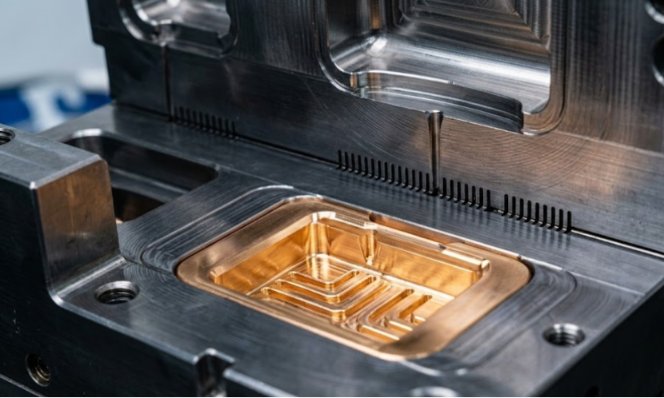
The base is the thickest part of the bottle. It holds the most heat. To fix the foggy look, you need high base cooling efficiency. Standard water lines might not be good enough anymore. You might need to look at special water holes that follow the exact curve of the bottle. Some shops even use beryllium copper parts in the base. This is because copper pulls heat away much faster than steel does. The goal is to freeze the plastic into a clear state very fast. You have to beat the clock every time a bottle is blown. If you are too slow, the bottle is ruined.
Sometimes, you just need a partner who has seen these problems many times. If you are having a hard time with these changes, looking for an expert like Foshan Heyan Precision Mold Technology Co., Ltd. is a very smart move. They are experts in high-end PET mold solutions. They know exactly how to match a tool to world-leading machines like SIDEL or KRONES. They have been doing this for a long time in Foshan, China. They do not just sell you a cold piece of metal. They give you a full blowing system complete line supporting program. They help you with everything. They help with the bottle look and the final machine settings. Their team knows that in a real factory, you cannot have a machine stop for three days. You have to keep moving. Partnering with a trusted maker for your custom blowing mold is the safest way to meet green goals without losing your daily output.
FAQ
Q1: Why does rPET turn white during the blowing process?
A: This is thermal crystallization. It happens when the plastic stays hot for too long. You need better cooling to freeze it into a clear state very fast.
Q2: Can I use my old PET molds for 100% rPET production?
A: You might be able to, but you usually need to fix the air holes and the cooling. The shrinking rate is different, so the bottle size might change a bit.
Q3: What is the most common mistake in rPET blow molding?
A: Cracking in the base is the biggest trouble. This is because recycled plastic breaks more easily when it is stretched too fast.
Q4: Do I need to change the air pressure for rPET?
A: Yes, you often need to change the blowing pressure and the timing. Since rPET resin flow is different, the air needs to hit the plastic at just the right second.
Q5: How does beryllium copper help with rPET bottles?
A: It pulls heat away from the thick parts of the bottle much faster than steel. This helps stop the fogginess and keeps the bottle clear like glass.


