

Rotary vs Linear Blowing Mold Which Is Better for PET Bottles
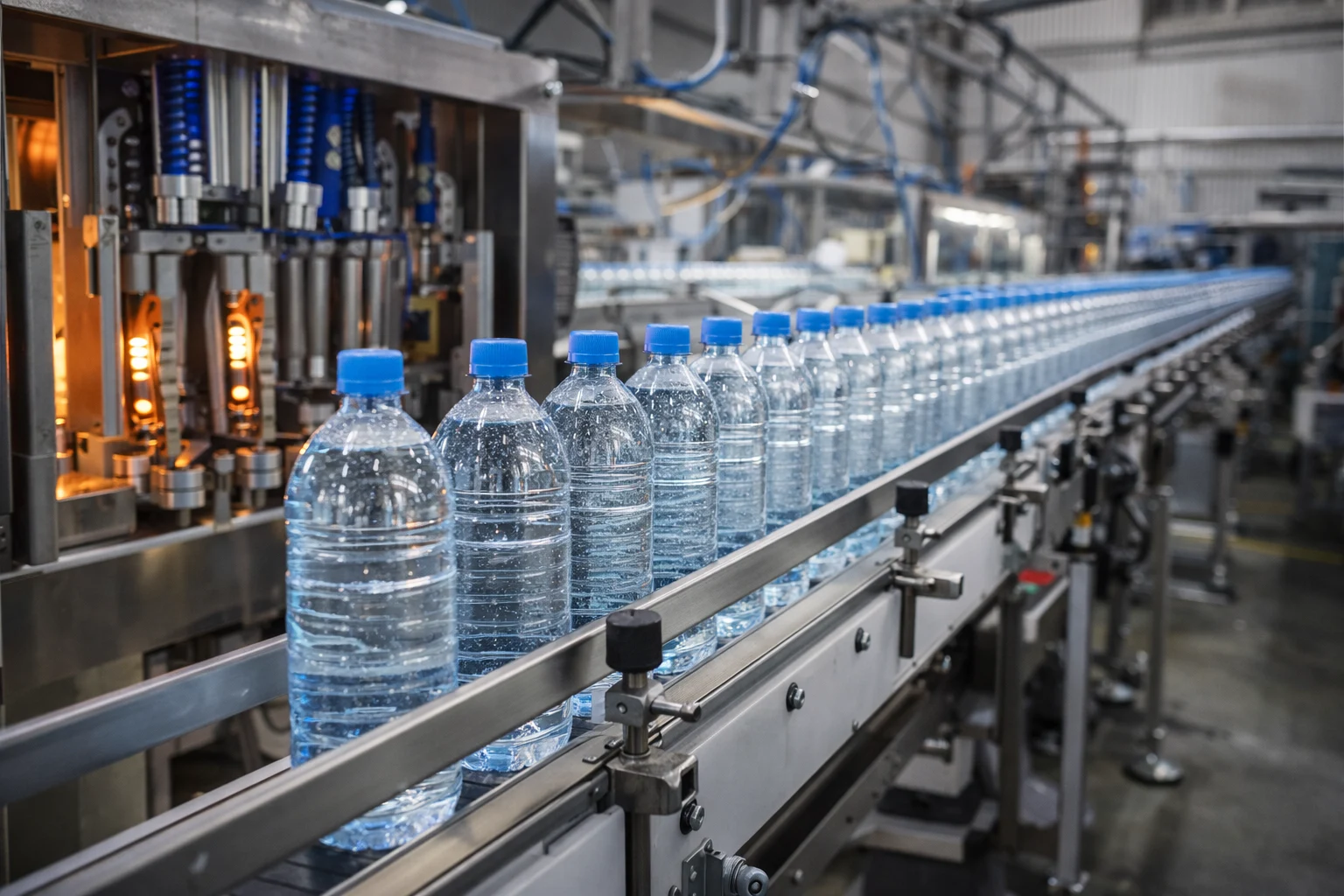
When you pick between a rotary bottle blowing mold and a linear bottle blowing mold, it all comes down to what you aim to achieve in production. Rotary setups offer top-notch pace and reliability for big beverage factories. Linear ones stand out with their adaptability, affordability, and ease in handling small or tailored batches. The gap goes beyond the equipment itself. It ties right into matching tools with your overall business plan.
What Is a PET Bottle Blowing Mold
A PET bottle blowing mold shapes warm PET preforms into finished bottles with strong air blasts. You heat the preform first. Then you stretch it lengthwise and widthwise inside the mold space. After that, you cool it to hold the form. The mold’s layout controls even wall thickness, clear looks, solid build, and general style. These traits boost how appealing the product looks on shelves and build trust in your brand.
The mold works well with many kinds of blowing machines. It fits fields like bottled water, fruit juices, teas, energy drinks, fizzy sodas, milk products, cooking oils, sauces, household cleaners, food packs, drugs, and more. In a full PET bottle line, molds team up with heaters, stretch tools, air pumps, and chillers. This setup keeps automated production flowing without stops.
The Two Main Types: Rotary and Linear Blowing Molds
Rotary and linear molds follow different mechanical ideas. Rotary ones run on steady round motion. This suits fast, large runs. Linear ones shift preforms one step at a time through set stations.
Each handles preforms in its own way. Rotary machines spin several mold spots around a main wheel. Linear ones guide preforms along a straight track past heating and blowing areas. Main contrasts show in build (rotary gets more detailed), pace (rotary quicker), and auto features (rotary more advanced). Linear designs stay basic but take longer.
How Rotary Blowing Molds Work
Rotary blowing molds function via continuous rotation of multiple stations around a central carousel. Preforms are fed continuously into rotating molds that undergo synchronized heating, stretching, blowing, and cooling cycles—all while the wheel keeps turning. This uninterrupted motion allows hundreds of bottles per minute.
The bottle blowing mold is matched with all types of world leading brands of high-speed rotary and linear blowing machine, such as SIDEL, KRONES, SIPA, SIG, ASB, etc. Integration with auxiliary systems ensures seamless operation—heating ovens precondition preforms while precise air control maintains consistent pressure during expansion.
Advantages of Rotary Blowing Molds
-
High output rate ideal for mass-market beverage bottling lines
-
Consistent wall thickness due to stable mechanical synchronization
-
Lower energy consumption per unit when running at full capacity
For companies producing millions of identical bottles monthly—think carbonated drinks or mineral water—rotary molds provide unbeatable throughput.
Limitations of Rotary Blowing Molds
Despite their performance edge:
-
They require higher upfront investment in equipment and installation
-
Maintenance is complex due to the intricate rotary mechanism
-
Switching between different bottle designs can be time-consuming
These factors make rotary systems better suited for standardized products rather than frequently changing SKUs.
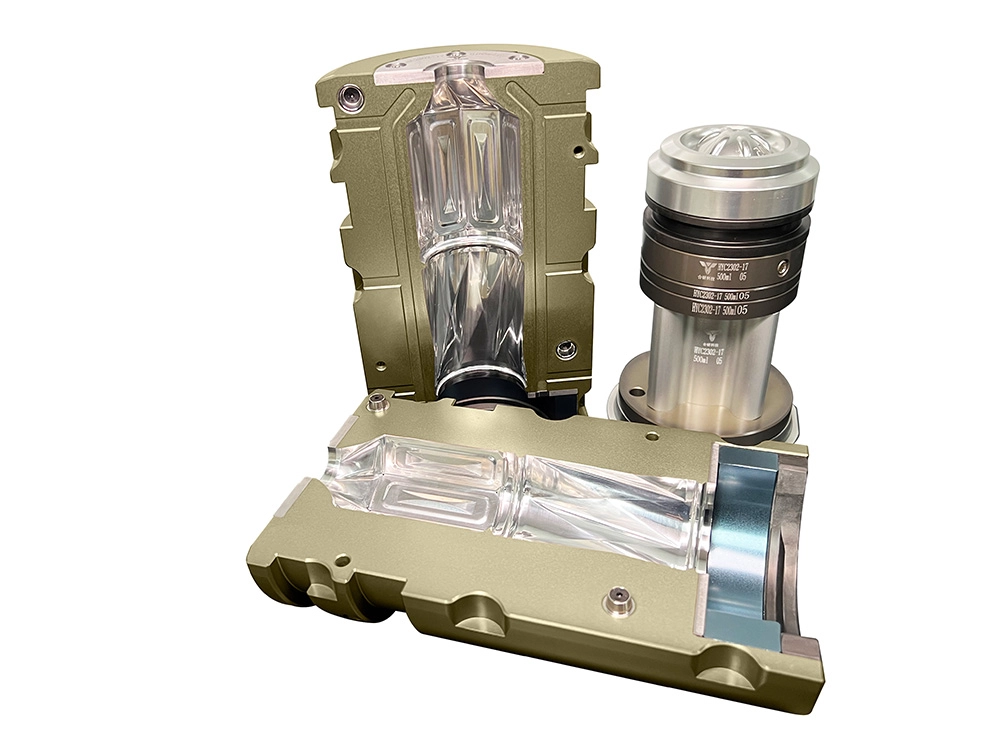
How Linear Blowing Molds Work
In this setup, preforms pass through sequential heating zones before entering stationary blow stations arranged in a line. Each stage performs one part of the process: heating → stretching → blowing → cooling → ejection.
The mechanical structure is simpler than rotary setups; fewer moving parts mean easier maintenance. It’s particularly practical for small or medium-scale operations where flexibility outweighs raw speed.
Advantages of Linear Blowing Molds
-
Lower equipment cost makes it accessible to startups or regional producers
-
Easier maintenance thanks to modular design
-
Quick changeovers allow frequent design updates or limited-edition packaging
Customers will receive customized solutions covering host equipment, process applications, automation, auxiliary equipment, intelligent services, production environments, and more. This adaptability supports niche markets like craft beverages or personalized cosmetic containers.
Limitations of Linear Blowing Molds
-
Production speed lags behind rotary alternatives
-
Energy consumption per unit rises as scale increases
-
If calibration drifts during long runs, wall thickness variation may occur
For smaller factories focusing on quality over quantity though—this trade-off is acceptable.
Key Factors When Choosing Between Rotary and Linear Systems
Selecting between these two technologies depends on balancing volume targets with flexibility needs.
Production Volume Requirements
Rotary systems excel when output exceeds several thousand bottles per hour—perfect for global beverage brands seeking 24/7 operation consistency. Linear systems fit lower-volume manufacturers producing diverse shapes or seasonal batches.
| Factor | Rotary Mold | Linear Mold |
| Speed | Very High | Moderate |
| Ideal Scale | Large factories | Small-medium plants |
| Changeover Time | Long | Short |
| Automation Level | Advanced | Simplified |
Investment Budget and Cost Considerations
Rotary lines involve higher capital expenditure but lower per-unit cost at scale. Linear setups demand less initial spending yet incur higher operational cost when scaled up. Long-term ROI hinges on utilization rate—idle rotary lines waste potential savings.
Flexibility and Product Variety Needs
If your business revolves around uniform bottles produced year-round (like water or soda), rotary molds guarantee stability. But if you frequently introduce new designs or cater to multiple product categories—linear molds offer agility without major downtime.
Industry Applications and Common Use Scenarios
Different industries naturally gravitate toward one system based on their priorities.
Where Rotary Systems Excel in the Market
Large beverage manufacturers rely on rotary molds for uninterrupted high-speed output across multiple lines producing standardized shapes. Uniformity ensures every bottle meets strict filling line compatibility standards—a must for automated bottling plants operating globally.
Where Linear Systems Provide Value
Linear configurations thrive among niche producers emphasizing customization or frequent redesigns—such as boutique juice brands or regional dairy companies seeking flexible production without heavy investment risk. Their compact footprint fits smaller workshops perfectly.
How HEYAN TECHNOLOGY Supports Both Solutions
Foshan Heyan Precision Mold Technology Co., Ltd. is located in Foshan, Guangdong. HEYAN TECHNOLOGY is a high-tech enterprise, which integrating R&D, engineering, production and sales into one.The main business scope is preform mold, bottle blowing mold, cap mold and other products.
Their strong R&D capability ensures both rotary bottle blowing mold and linear bottle blowing mold solutions meet exact client specifications—from concept modeling to final testing. We also offer complete integration services ensuring smooth coordination between machine components like heaters and controllers so clients get turnkey performance instead of piecemeal assembly issues.
FAQs
Q1: What’s the main difference between rotary and linear PET bottle blowing molds?
Rotary molds use continuous circular motion for high-speed output; linear molds move preforms step-by-step through each station offering flexibility but slower speed.
Q2: Which type offers better energy efficiency?
At full capacity rotary systems usually consume less energy per unit due to optimized continuous operation cycles.
Q3: Can I switch from linear to rotary later?
Yes—but it requires reconfiguration of supporting systems like air supply pressure control and temperature zones since layouts differ mechanically.
Q4: Are both types compatible with different resin grades?
Both can handle standard PET resins; however fine-tuning parameters like temperature profiles may vary depending on resin viscosity index.
Q5: What industries commonly use each type?
Rotary suits large beverage bottlers; linear fits cosmetics producers or regional drink brands needing frequent design changes without massive capital outlay.


