

How to Solve Uneven Wall Thickness in PET Bottle Production
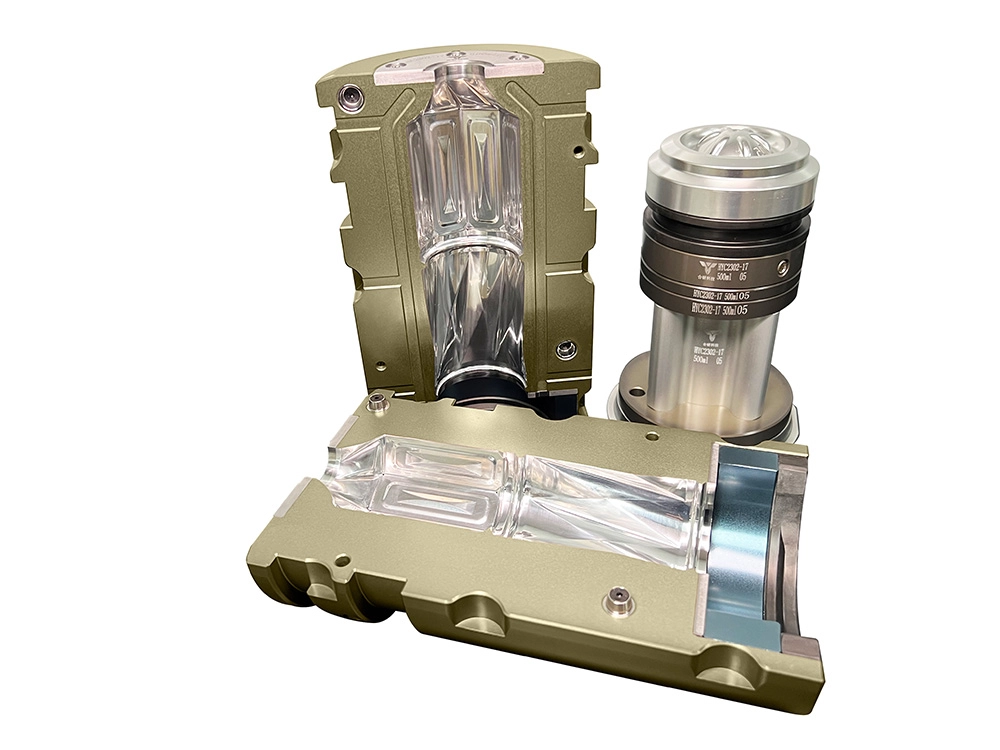
Uneven wall thickness in PET bottle production poses a subtle but vital challenge that influences both product quality and manufacturing efficiency. When bottles emerge with inconsistent walls, the outcome goes beyond looks—it affects durability, clarity, and even shelf life. The good news is that by carefully managing heating, blowing, and mold design, you can achieve and maintain steady wall uniformity.
What Causes Wall Thickness Variation in PET Bottles
In PET blow molding, temperature unevenness stands out as the top culprit for irregular thickness. Variations in preform temperature during heating or blowing directly shape how the material expands within the mold. If one part of the preform stays cooler than the rest, that spot resists stretching and ends up with a thicker wall.
Air pressure shifts contribute heavily too. Uneven air pressure or stretch ratios in blowing lead to lopsided growth. Mold design flaws or cooling imbalances cause similar problems, as some areas cool quicker than others and expand differently.
Why Wall Thickness Matters for PET Bottles
Wall thickness influences far more than just visuals. It determines bottle strength, transparency, and longevity—factors that shape how consumers view the product and ensure safety. A bottle with weak thin areas might collapse under filling pressure or warp over time.
Uniform thickness also affects weight and resin costs. Excessively thick sections squander material; overly slim ones create vulnerabilities. Plus, it impacts sealing and overall packaging reliability, since irregular necks or rims weaken closures.
Common Sources of Wall Thickness Problems in PET Blow Molding
To fix wall variations, you need to pinpoint their roots in key stages—preform prep, machine use, and mold upkeep.
Preform Quality and Preparation Issues
Preforms form the base of every PET bottle. Differences in their weight, form, or gate shape disrupt even stretching during blowing. Even tiny tweaks to gate design change how material flows into the mold.
Bad preform drying or heating leads to uneven material spread along the bottle body. Moisture levels beyond the norm create bubbles or cloudiness that mess up wall development. Contaminants in resin pellets worsen these problems further.
Blow Molding Machine Settings and Operation
Machines demand exact settings for reliable results. Wrong air pressure or timing in blowing causes some areas to inflate too soon while others fall behind. This creates bottles with heavy bases or slender shoulders, based on air paths.
Uneven mold temperature control adds to local thickness differences. In a multi-cavity mold, if one side heats more than another, bottles from there get thinner walls from quicker cooling. Stretch rod speed or position issues skew symmetry too—if the rod doesn’t move steadily along the center, material piles up unevenly.
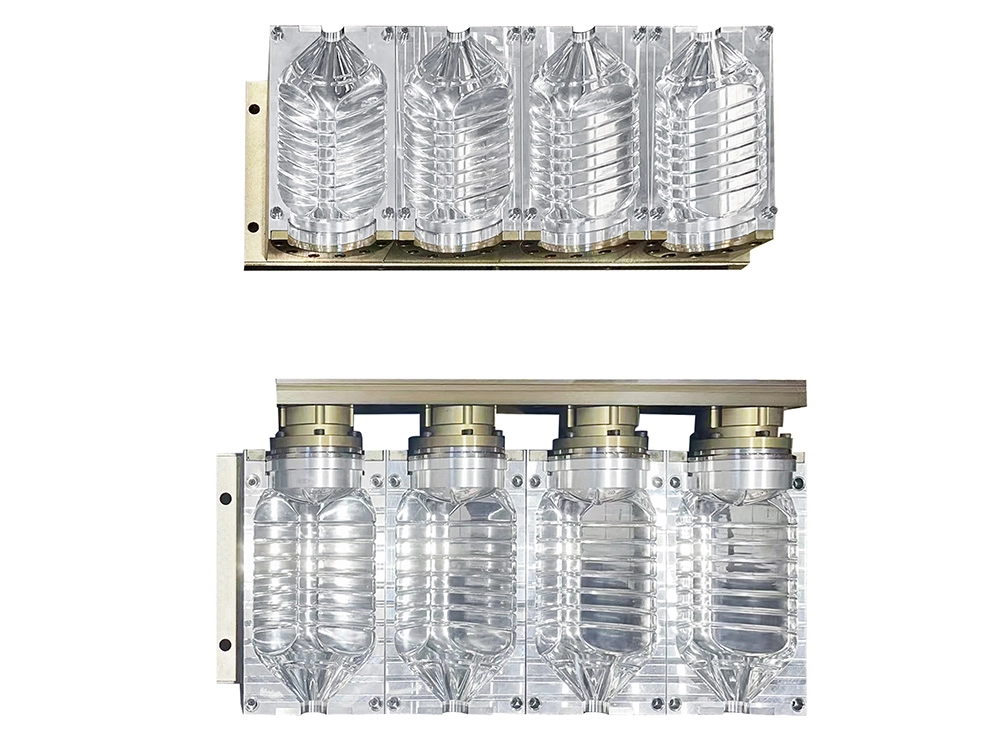
Mold Design and Maintenance Factors
Mold design quietly decides balance in production. Uneven mold cavities cause lopsided PET expansion, as air doesn’t spread equally over surfaces.
Worn or off-kilter mold parts block smooth air flow and cooling paths. Faulty venting traps air bubbles in cavities, stopping full contact between hot PET and the mold wall.
Effective Solutions to Improve Wall Thickness Uniformity
You can tackle these challenges with upfront prevention and on-the-fly tweaks across production runs.
Optimizing Preform Heating Process
Before blowing starts, make sure every preform hits the same temperature pattern. This sets up even stretching.
Adjusting Infrared Heater Settings
Infrared heaters need to supply steady energy to all spots, so preforms arrive at blowing evenly warmed. Calibrate heater zones often to keep heat balanced over batches and avoid cold areas that thicken bottle patches.
Monitoring Preform Rotation Speed and Distance from Heaters
Steady rotation ensures full, even heat exposure around each preform. Tweak conveyor speed for stable warmth buildup—rushing it underheats, while slowing too much over-softens the material past its ideal state.
Fine-Tuning Blow Molding Parameters
With heating sorted, focus on how air pressure works with stretching forces.
Balancing Air Pressure and Stretch Ratio
Build pressure slowly for controlled stretching, not sudden bursts that warp walls. Fine-tune stretch rod motion for even lengthwise and sideways growth, yielding symmetric bottles with even shifts from base to top.
Synchronizing Cooling Time and Mold Temperature Control
Keep cooling uniform across all mold spots in a multi-setup. Use accurate temperature trackers to avoid hot zones where plastic stays soft too long, which often leads to post-ejection twists.
Enhancing Mold Design and Maintenance Practices
No machine tweak can fix a poor mold, so design quality stays essential.
Designing Molds for Uniform Material Flow
Even air channels allow balanced inflation by spreading compressed air steadily through cavities. Optimize gate spots for smooth resin entry into every area during blowing, without stress points that bulk up sections unfairly.
Regular Mold Cleaning and Inspection Routines
Check molds often for buildup or damage that clogs air or cooling routes. Swap out faulty parts quickly to hold shape accuracy over long runs and cut defects from wall unevenness.
Advanced Techniques for Controlling Wall Thickness Variation
Today’s tech offers tools to predict and cut down on trial-and-error in blow molding adjustments.
Using Simulation Software for Process Optimization
Engineers use simulation software to forecast wall thickness spread before real runs. They tweak digital factors like heat gradients or stretch rates, slashing waste from tests and boosting initial success rates.
Implementing Real-Time Monitoring Systems
Sensors built into blow systems spot shifts in pressure, heat, or stretch right away. Auto-corrections then fix issues during cycles, keeping output steady amid changes like humidity swings or resin batch differences.
How HEYAN TECHNOLOGY Supports Stable PET Bottle Production Quality
As production gets more demanding, trusted partners help keep high-volume lines consistent.
Precision Mold Manufacturing Expertise
HEYAN TECHNOLOGY crafts precise molds tailored for steady wall thickness over many batches. They use top materials to lengthen mold life and cut downtime from wear fixes—a big plus for global scaling without dropping quality.
Integrated Blow Molding Solutions
The company delivers full-system aid from preform design to final bottle setup. Their engineers guide manufacturers in refining heat patterns, blow steps, and cooling phases, so all parts align for even walls in lines like light beverage holders or custom cosmetic shapes.
Continuous Technical Support and Improvement Services
HEYAN TECHNOLOGY goes further with hands-on training for teams running PET blow lines every day. Their advice, based on real data, sharpens settings over time, lowering flaws and boosting energy savings per bottle through proven tweaks from actual operations.
FAQs
Q1: What causes uneven wall thickness in PET bottles?
It usually results from inconsistent preform heating, air pressure fluctuations during blowing, or imbalanced mold cooling systems that distort material flow patterns inside cavities.
Q2: How can I improve uniformity without changing my entire machine setup?
Start by recalibrating infrared heaters for consistent temperature distribution and check stretch rod alignment before making major hardware modifications.
Q3: Why does moisture content affect PET bottle walls?
Excess moisture converts into steam under heat which disrupts polymer flow inside molds leading to bubbles or weak zones within bottle walls.
Q4: What’s an ideal method for monitoring process stability?
Real-time monitoring systems equipped with sensors tracking temperature and pressure variations provide immediate feedback allowing instant correction during production cycles.
Q5: Can simulation software really predict final wall thickness accurately?
Yes – modern simulation tools model airflow dynamics and thermal behavior precisely enough to forecast potential variations before physical trials begin saving both time and raw materials.