

Hot Runner vs Cold Runner Mold: Which Is Better for Preform Production?
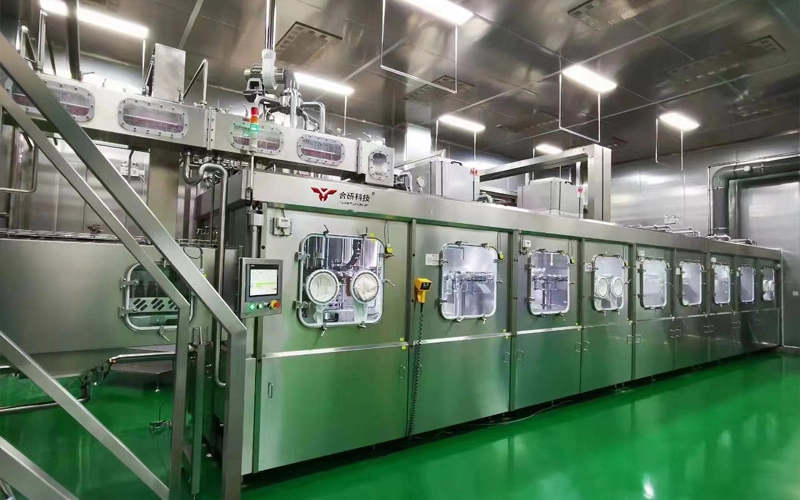
In injection molding, this system is a network of paths. It moves liquid plastic from the injection unit into each mold cavity. Hot runner and cold runner systems differ mainly in how they manage this flow.
A hot runner keeps the plastic liquid inside heated paths. In contrast, a cold runner lets the plastic cool down and turn solid before it is pushed out. Picking the right setup ensures every preform follows tough beverage packaging rules. At the same time, it helps keep daily running costs low.
How Each System Works in PET Preform Manufacturing
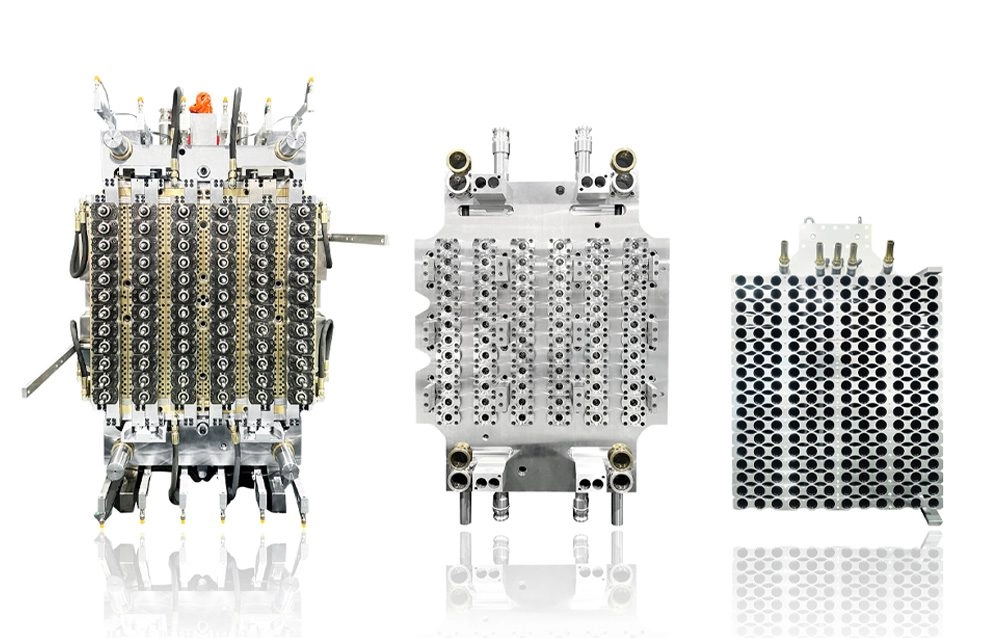
In a hot runner injection molding layout, internal heaters keep the resin warm from the manifold down to the nozzle tips. The manifold spreads the liquid PET across all cavities. This keeps the pressure and heat perfectly balanced at every gate. Since no plastic hardens in these paths, you get almost zero waste from the runners.
Cold runner molds follow a more basic path. Molten resin travels through unheated channels, known as the sprue and runners, to reach the cavities. Once the plastic is inside, these paths cool down along with the actual parts. After the parts come out, workers must pull away or grind up the solid plastic runners before the next cycle can begin.
Advantages of Hot Runner Injection Molding for Preforms
Once you see how these systems operate, you can understand why fast-paced preform lines usually choose hot runner injection molding.
Material Efficiency and Waste Reduction
When you make millions of preforms every year, every tiny bit of resin matters. Hot runners get rid of solid scrap entirely. This means almost every drop of melted resin ends up in the final product. Over time, this leads to big savings on raw materials. It also cuts down on the electricity needed to regrind or process waste plastic.
Consistent Quality and Cycle Time Optimization
PET reacts strongly to heat changes. Even a small shift can make a preform look cloudy or cause the walls to be uneven. Hot runner systems solve this by keeping the melt heat stable across every single cavity. This steady state ensures that preforms have the same weight and perfect clarity. It also leads to fewer rejected parts.
Production speeds also get a boost. There is no need to wait for runners to freeze before opening the injection mold. Many factory managers see a jump in output of more than 20% when they move from cold to hot systems. They achieve this without hurting the quality of the product.
Maintenance and Long-Term Cost Considerations
It is true that hot runner molds cost more at first. This is due to their detailed build and the built-in heat controls. However, these prices are usually covered quickly by saving material and using less power. Modern designs use smart heat management. This cuts down on stopped time and means you do not have to fix things as often as you did with old models.
Benefits and Limitations of Cold Runner Molds in Preform Production
A high-end hot runner setup is not required for every single job. Cold runners still have a role to play. They are often found in smaller shops or used when testing a brand-new product design.
Simplicity and Lower Initial Investment
Cold runner molds are quite basic. Having fewer parts means they are easier to build and arrive faster at your factory. The starting price is also much lower. For a company trying out a new bottle shape or running a small order, this simple style is helpful for both the budget and the daily routine.
Challenges with Waste and Energy Consumption
However, that simple design brings extra costs later. Every cycle creates solid plastic pieces that someone must take out by hand or with a machine. This increases waste and adds more steps to the work. As a result, labor costs go up and the total time to finish a batch gets longer.
Power use is also usually higher. The machines have to melt fresh batches of resin over and over. They cannot keep a steady flow of liquid plastic ready like hot systems do.
Choosing Between Hot Runner and Cold Runner for Your Production Needs
So, which choice is right for your shop? The answer depends on a few things: how much you produce, the material you use, your budget, and your future goals.
Production Volume Requirements
If you run a massive operation making millions of pieces a month, hot runners pay for themselves fast. They do this by cutting waste and speeding up the work. For smaller jobs, like a pilot project, it might make sense to use cold runners. You can then move to better tools once your sales grow.
Material Type and Application Goals
PET preforms need very tight control over heat. This is the only way to keep them clear and strong. That makes hot runner injection molding a great choice. It lowers the risk of the plastic getting damaged by heat during the molding process.
Budget Planning and ROI Expectations
When you look at the total cost of owning the tool, not just the price tag, hot runners are often the cheaper path. After a year or two of steady work, the efficiency gains really add up. Still, if you have very little cash to start with, cold systems are a solid way to get moving for certain jobs.
Why Partnering with HEYAN TECHNOLOGY
Having an expert in PET packaging molds helps you get the best performance and the best price for your whole production line. When your molds work perfectly with the blowing systems further down the line, you get more than just speed. You get a smooth process from the moment the resin melts until the bottle is formed. These joined-up solutions stop delays caused by different machine speeds.
HEYAN TECHNOLOGY focuses on building mold solutions that fit exactly what a client needs. For a steady, high-speed preform line, hot runner systems offer the best results and efficiency.
FAQs
Q1: What is the main difference between a hot runner vs cold runner system?
Hot runners keep the plastic liquid inside heated paths. Cold runners allow the plastic to turn solid in unheated paths, which must be taken out after each cycle.
Q2: Why do many manufacturers prefer hot runner injection molding for PET preforms?
It provides better heat control. This leads to clearer plastic, even weights, faster work, and much less scrap.
Q3: Are cold runner molds still used today?
Yes. They are popular for small projects or when a company needs to save money on the initial tool purchase.
Q4: How much more expensive is a hot runner mold than a cold one?
Usually, the price is 30% to 50% higher at the start. However, you often get that money back in a few months because you waste much less material.
Q5: Can I upgrade an existing cold runner mold into a hot system later?
Sometimes it is possible, especially if the mold was built to be changed. However, it often requires replacing major parts like the manifold to get the best results.