

How to Choose the Right Cavity Number for a PET Preform Mold
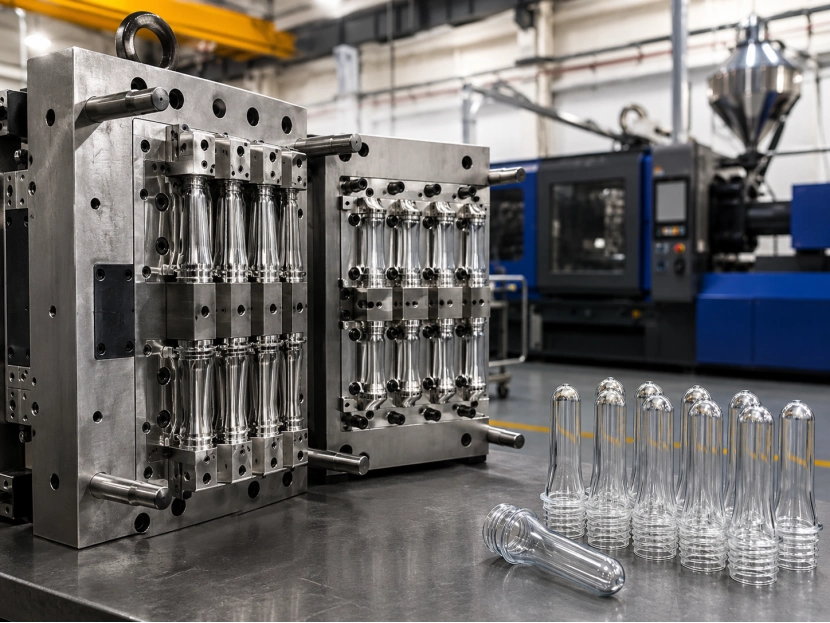
Picking the right cavity number for a PET preform mold is a vital choice. It quietly shapes how your whole factory line works. This decision is about more than just how many pieces you create in one press. It involves how well your injection system, cooling setup, and blowing mold work together. Getting this balance right leads to smoother cycles, smarter energy use, and fewer problems in the future.
What the Cavity Number Represents in a PET Preform Mold
Every single cavity in a PET preform mold makes one preform during each injection cycle. For example, a 48-cavity mold creates 48 preforms at the same time. This number shows you the potential speed of your setup. Usually, a higher cavity count means more hourly output. However, it also puts more pressure on the clamping force and energy needs of your injection machine.
A smart choice in cavity numbers matches high output with sensible costs and quality checks. If you have too few cavities, you might not use your machines to their full potential. If you have too many, you might push the system past its safe limits. Design also plays a role in cycle time. Larger multi-cavity molds often need extra time for cooling and part removal compared to smaller tools.
The Relationship Between Cavity Number and Production Efficiency
The link between the number of cavities and total efficiency is not a simple straight line. Adding more cavities boosts volume but makes things more complex. You will need stronger clamping forces, bigger hot runner systems, and better cooling paths. Conversely, molds with fewer cavities are easier to fix and cost less upfront, though they limit how much you can make each day.
|
Mold Type |
Typical Cavities |
Machine Tonnage Required |
Output per Hour |
|
Small-scale |
2–8 |
150–250 tons |
500–2,000 pcs |
|
Medium-scale |
16–32 |
300–450 tons |
4,000–8,000 pcs |
|
Large-scale (multi-cavity) |
48–96+ |
500–800 tons |
10,000–20,000+ pcs |
You should pair your target output with the right machine size. This ensures steady work without straining the metal or the heaters. Many skilled workers choose to run their machines slightly below the maximum tonnage. This habit helps the equipment last longer and stay stable.
Key Factors to Consider When Selecting the Cavity Number
Once you see what the cavity count controls, you can pick a number that fits your goals and your technical limits. Several connected factors will show what is best for your specific shop.
Production Volume and Market Demand
Your expected sales should be your first guide. Large beverage companies usually pick multi-cavity injection molds. These tools can turn out thousands of preforms every day at a low cost per unit. For unique items like custom bottles or short seasonal runs, smaller molds are better. They offer more flexibility and are faster to swap out.
Looking at future demand helps you avoid two big mistakes. You do not want to spend too much on capacity that sits empty. You also do not want to have too little capacity and miss your deadlines. Many firms begin with a middle-sized setup, such as 24 or 32 cavities. They then grow later using modular parts.
Machine Capability and System Compatibility
Even if you want to make more parts, your machine must be strong enough to handle it. Injection molding machines have specific ratings for tonnage. These must match what the mold requires for clamping. If you ignore this, you might see defects like flash or parts that do not fill completely.
Cooling systems are also very important. Multi-cavity molds create a lot of heat in every cycle. This requires strong water lines and good temperature units. The hot runner design is another key point. It takes careful engineering to move the melted plastic evenly across many gates. This prevents weight differences between the preforms.
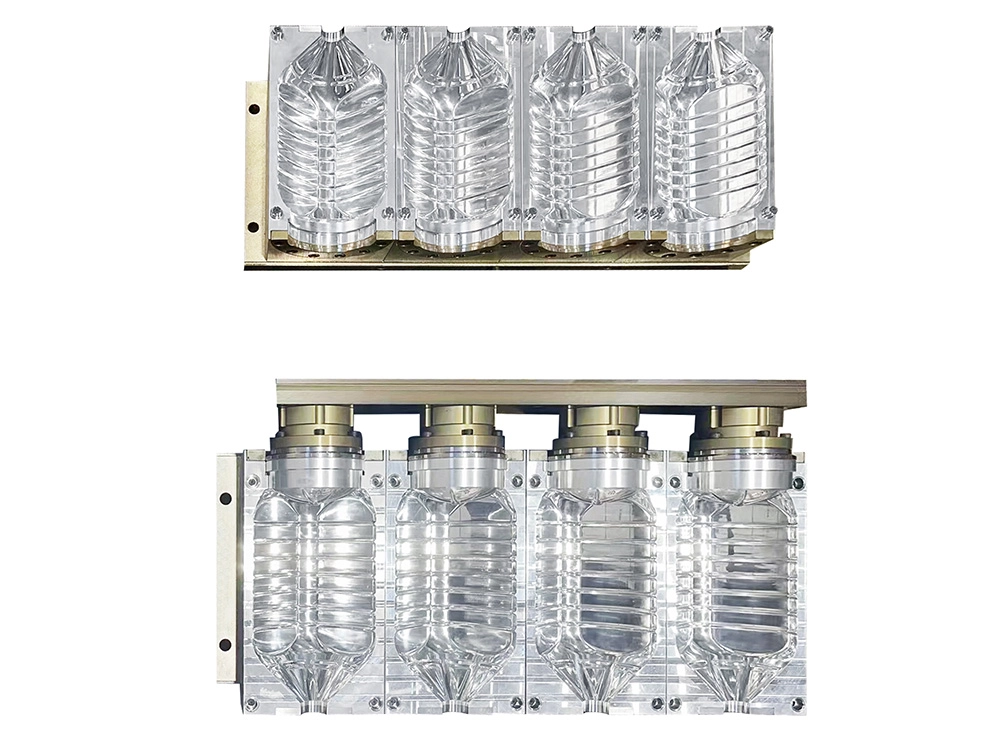
Compatibility goes past the molding stage. If your blowing mold or your packing robots cannot keep up with a fast mold, you will face a bottleneck. Even a high-speed tool won’t help if the rest of the line is slow.
Cost, Maintenance, and Longevity Considerations
Big multi-cavity systems lower the cost of each part over time. However, they require a lot of money at the start. They also need more detailed care. Since there are more parts, there are more places where things can break, like valve gates or core pins.
The type of metal you choose matters a lot. High-end steels like S136 or H13 help the mold stay in good shape during heavy use. You should perform regular polishing and check the alignment often. This stops early wear that could ruin the size or the look of your preforms.
You must plan for maintenance costs from the very first day. If you skip this, a profitable tool can quickly become a source of expensive downtime.
Balancing Efficiency, Quality, and Investment
Finding the right balance is where real expertise matters. There is no single “perfect” cavity number for everyone. You must find what works for your current shop while leaving room to grow.
Optimizing Mold Configuration for Your Production Line
Look closely at the bottles you plan to make. Their weight, the neck finish type, and the plastic grade all change how many cavities can fit on your machine. Sometimes, fixing the cooling layout is better for speed than just adding more cavities.
Some shops use modular mold bases. These allow you to add more parts as you grow. For instance, you could turn a 24-cavity tool into a 48-cavity one by adding new inserts later. This lets you spread out your spending while keeping the process the same.
It is wise to work closely with your supplier. They can help you tune every detail, from the gate spot to the ejection move. This way, the tool fits your specific line instead of being a generic product.
How a Professional Supplier Supports Your Decision Process
A good supplier does more than just ship a box. They look at your data to suggest the best setup for your actual needs. Their engineers check the plastic flow, the machine power, and how the workers will handle mold changes.
They also provide help with more than just the preform mold. They look at how it fits with blowing molds and other tools like chillers. When these systems work together, you save energy and get better quality. A matched system is also easier to fix because all the parts were made to work as a team.
Choosing a Reliable Partner for PET Preform Mold Solutions
Picking the right company to build your mold is a major strategy. A trusted partner provides full solutions for both injection molds and blowing molds. This keeps every step—from melting the plastic to the final bottle—in perfect sync.
Beyond building the tool, great suppliers offer support during the setup. They help with on-site checks, teach your team how to fix things, and plan for spare parts. These steps are vital to avoid delays when you start production.
Partnering with experts like HEYAN TECHNOLOGY gives you access to deep knowledge in PET packaging. They focus on making tools that stay stable for a long time. This ensures high quality even during busy schedules. It also helps you get the most value from your investment through tough designs and fast support.
FAQ
Q1: How does cavity number affect PET preform quality?
Having more cavities increases your speed but requires very steady heat. If the heat is not even, the weight of the preforms might vary.
Q2: What is an ideal starting point for small beverage producers?
A mold with 16 or 24 cavities is often a great start. it gives good output without costing too much for a new business.
Q3: Can I upgrade my existing mold to add more cavities later?
Yes, if the mold has a modular design. You can add more inserts later if the main frame was built to handle the extra size.
Q4: Does using a multi-cavity injection mold always save money?
Not at the very start. The first cost is higher, but the cost for each bottle drops a lot once you are making a large volume.
Q5: How do I ensure compatibility between my preform mold and blowing mold?
Check the neck finish and the wall thickness early in the design phase. This ensures the parts move perfectly between machines without needing extra fixes.