

PET Bottle Lightweighting: The Hidden Profit Driver for Beverage Manufacturers
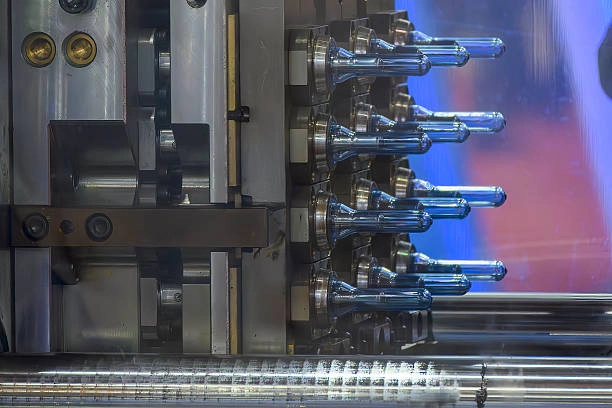
PET bottle lightweighting has become a highly effective strategy for beverage manufacturers looking to cut expenses while boosting sustainability. Taking just a few grams off each bottle saves massive amounts of resin every year. It also lowers energy use and drops carbon emissions throughout production and shipping. For businesses making millions of bottles monthly, this is not a small tweak. Instead, it serves as a massive profit booster hidden in plain sight.
What Is PET Bottle Lightweighting and Why Does It Matter?
Trimming bottle weight changes every stage of the manufacturing process. In injection molding, lighter preforms require less resin per unit. They also cool down much faster. During blow molding, improved wall distribution makes sure that bottles keep their pressure resistance even with thinner walls. This feature is especially crucial for carbonated drinks.
The advantages go well beyond the factory floor:
-
Lower material use: Direct cost cuts on PET resin.
-
Reduced energy consumption: Less heat is necessary during preform creation.
-
Improved logistics: Lighter shipments lead to cheaper transportation costs.
-
Smaller carbon footprint: Every single gram saved helps meet sustainability goals.
How Has Lightweighting Evolved in the Beverage Industry?
The progress of lightweighting stems from steady improvements in mold design and material science. Early PET bottles were basic, thick-walled containers. They were built for toughness rather than efficiency. As time passed, engineers started tweaking geometry. They improved neck finishes, base designs, and wall thickness. This approach helped them build strength through smart structure instead of sheer mass.
Current lightweight bottles usually weigh 30 to 40% less than the ones made twenty years ago. This drop is due to highly precise preforms and better multi-cavity injection molds. Major global beverage brands have taken a leading role. They set high standards for performance-to-weight ratios, and smaller makers now follow these trends.
The Economic Value Behind Lightweight PET Bottles
Switching to lightweight bottles is not merely a green choice. It stands as a smart financial move with clear returns across all operations.
How Does Lightweighting Reduce Manufacturing Costs?
Every kilogram of PET resin saved brings down material costs directly. Resin makes up roughly 70% of the total packaging expense. Therefore, even tiny reductions build up very fast.
| Cost Factor | Impact of Lightweighting | Typical Savings Potential |
| Resin Use | Lower consumption per preform | 5–20% reduction |
| Energy Use | Faster heating/cooling cycles | 10–15% reduction |
| Transportation | Reduced load weight | 5–10% logistics savings |
In injection molding systems, especially multi-cavity injection molds, lighter preforms decrease cycle times. This happens because they cool more quickly. Less time spent on each shot leads to higher output. Furthermore, this boost happens without needing extra machines or more workers.
Why Is Lightweighting a Hidden Profit Driver?
Smoother production runs yield better efficiency. Fewer flaws happen thanks to superior thermal control. Additionally, lighter packaging boosts pallet density during transport.
Looking at it from a marketing angle, sustainability attracts buyers. Brands that showcase lower plastic use usually gain deeper customer loyalty. They also find it easier to meet green buying rules. As time goes on, these operational upgrades add up.
What Design Factors Influence Lightweight Performance?
An even wall thickness is vital to stop bulging or bursting under pressure. Engineers check stress points closely around the neck finish, shoulder, and base. These are the spots where pressure spikes happen during filling or adding carbonation.
Preform geometry holds an equally important role. A carefully crafted preform guarantees steady stretch ratios during the blowing phase. This ensures that the plastic spreads evenly over the bottle’s surface. Makers also have to think about looks. Even as bottles become lighter, they still need to look good on the shelf. They must also feel comfortable in the hands of buyers.
The Role of Precision Molds in Achieving Lightweight Goals
Winning at lightweighting relies heavily on excellent mold quality. This applies to both preform molds used in injection molding and blow molds that shape the final product.
Preform Mold Accuracy and Consistency
High-tolerance mold cavities ensure standard wall thickness across every cavity in multi-cavity injection molds. Modern cooling channels built into these molds let heat escape rapidly. This happens without causing warping or uneven shrinking. Finding this sweet spot between speed and steadiness creates output gains. Most importantly, it does so without losing exact size accuracy.
Blow Mold Engineering for Strength Retention
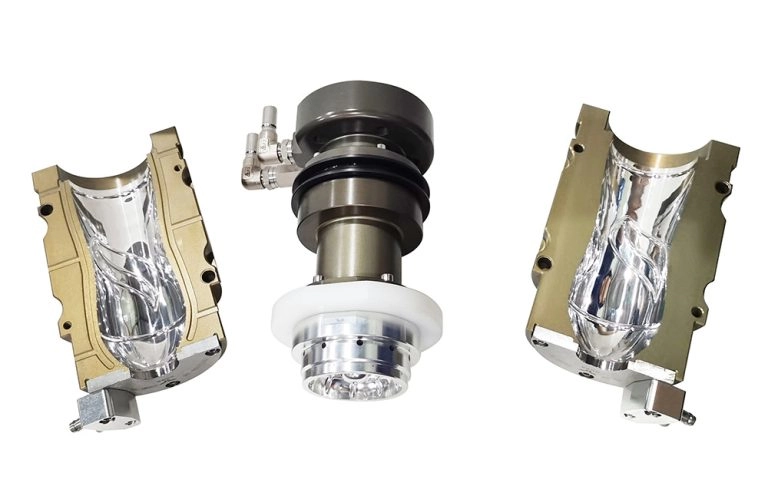
During stretch blow molding, the airflow layout inside the blowing mold decides how evenly the PET stretches over its curves. Great air spread stops weak spots from forming. It also keeps the bottle clear, which is a vital look for high-end drinks. Surface coatings like hard chrome or nickel plating add extra toughness against the wear of repeated cycles.
Partnering with the Right Mold Manufacturer for Lightweight Success
Picking a skilled mold partner is highly important when starting large lightweight projects.
Why Choose HEYAN TECHNOLOGY?
Experts like HEYAN TECHNOLOGY focus purely on precise tooling made for PET uses. They handle everything from preform molds to blow molds, caps, and automation setups. These systems link whole production lines smoothly. Their complete method helps beverage makers go from a basic idea to full production quickly. They do this while keeping the strict tolerances needed for lightweight designs.
How to Start Your Lightweighting Project Effectively?
The best projects kick off with solid data review:
-
Assess current designs – Find where extra plastic sits by using simulation software.
-
Collaborate early – Talk with mold engineers before locking in new bottle shapes.
-
Pilot test extensively – Check performance under actual filling pressures before moving to massive production runs.
This forward-thinking plan cuts down risks. It makes sure that every gram taken away turns into steady, long-lasting savings instead of causing quality troubles later on.
The Future Outlook: Where Is PET Bottle Lightweighting Headed Next?
Lightweight design keeps moving forward fast. Digital tools are changing how molds are planned and tested long before actual physical trials start. Artificial intelligence is stepping into mold design. It uses smart simulations that can check airflow patterns and stress spread on their own. This greatly cuts down the time needed for development. Another big change is mixing recycled PET (rPET) with lightweight shapes. New steps in resin handling now permit high rPET levels without losing clarity or toughness.
Automation will also take on a bigger job in the future. Linked robots moving preforms between injection molding spots and blow-molding units boost steadiness. They also cut down the need for human labor. This setup is a great fit for busy beverage plants looking for both flexibility and better efficiency.
FAQs
Q1: What is PET bottle lightweighting?
It is the method of cutting down plastic use per bottle through smart design while keeping the needed performance levels.
Q2: How does lightweighting affect beverage quality?
Well-designed bottles keep their pressure strength and product safety even at lower weights.
Q3: What equipment changes are needed for lightweight production?
Changes are usually small. Updates mostly involve new preform molds or tweaking blow-molding settings rather than swapping out whole lines.
Q4: Can recycled materials be used in lightweight bottles?
Yes, current rPET mixes work very well when matched with modern stretch-blow methods that keep the bottles clear.
Q5: How much cost saving can manufacturers expect from lightweighting?
Based on the size of the operation, total savings can land between 10% and 25%. This includes resin drops, energy savings, and better shipping methods all added together.