

Blow Molding vs. Injection Molding: What’s the Difference?
The common discussion of injection molding vs blow molding usually depends on how each method forms plastic. It also depends on the type of packaging they produce. Both methods are vital in PET packaging. However, they perform distinct roles. One method makes hollow items. The other method creates solid, precise components. This primary difference affects many factors.
What Is Blow Molding and How Does It Work?
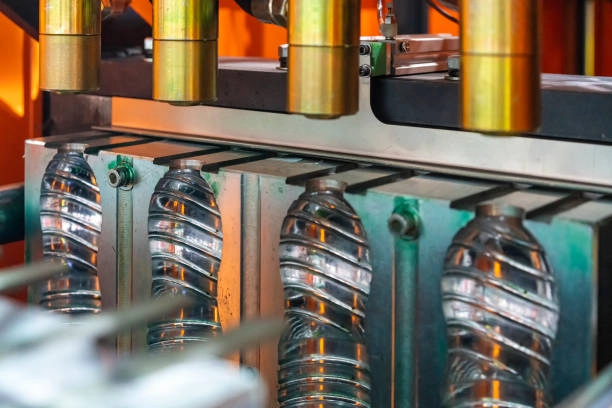
Blow molding is designed specifically for creating hollow plastic goods. The procedure begins by melting thermoplastic resin. This creates a hot tube known as a parison. Next, the machine clamps this parison inside a specific mold cavity. Compressed air then fills the tube. It inflates until the plastic matches the exact shape of the surrounding mold. After the material cools, the mold opens. It then drops a light but sturdy container. This item is frequently a bottle or a jar.
What Is Injection Molding Used For in Packaging?
Injection molding functions in a very different way. This process focuses on strict precision instead of air expansion. During this procedure, workers heat plastic pellets until they melt completely. The machine then forces this hot liquid into steel cavities under extreme pressure. The melted material pushes into every tiny corner. After that, it cools down into a hard, solid shape. When the metal mold separates, a dense part drops out. This is typically a preform or a threaded closure cap.
Comparing Blow Mold vs. Injection Mold in Packaging Production
These two manufacturing processes often use the exact same raw materials. However, they differ greatly in how those materials act after melting.
Material Flow and Product Geometry Differences
Blow molding constructs hollow items. On the other hand, injection molding builds completely solid objects. This major difference determines how the hot resin travels through the internal channels. It also decides the layout of the cooling systems. For blowing molds, an even wall thickness is incredibly important. High air pressure handles the majority of the actual shaping. Conversely, injection molds require hot plastic to pack into detailed spaces very fast. It must do this before turning solid. Therefore, proper gate design and air venting present serious engineering tests.
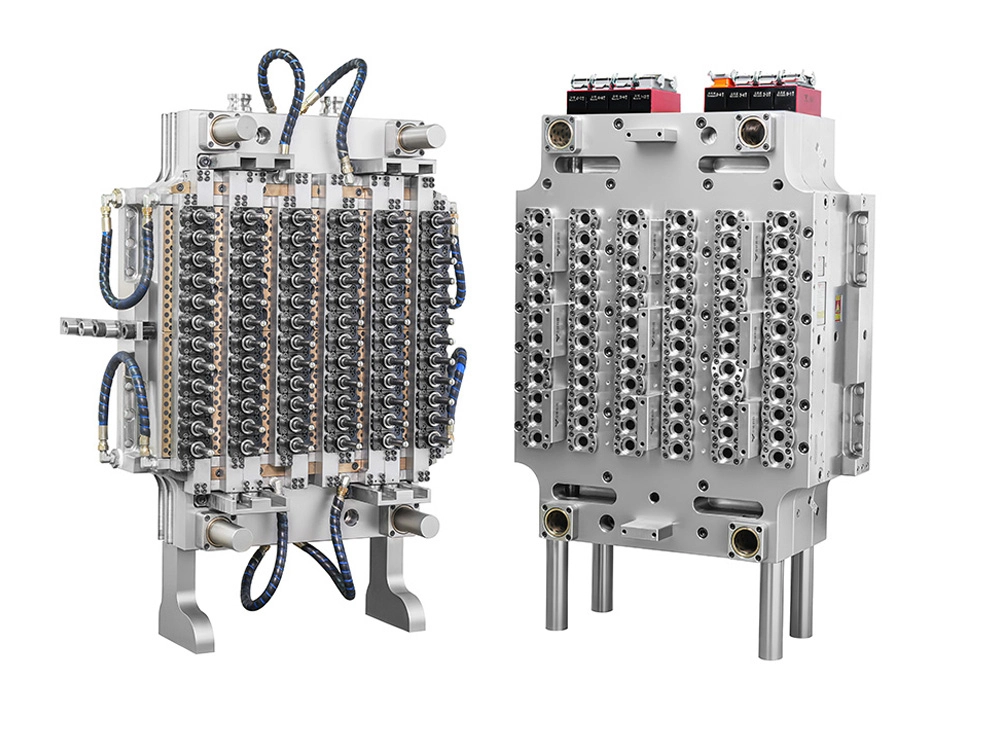
A standard bottle mold usually contains smooth inner curves. This allows for steady, even inflation. Meanwhile, an injection cap mold might include complex internal threads and support ribs. These tiny details require highly accurate machining standards.
Production Efficiency: Which Process Is More Suitable?
The total cycle time often determines the profit levels in large-scale factories. Injection molding cycles generally finish faster. The parts cool down quickly because each cavity holds a smaller volume of plastic. However, blow molding balances this out by using multi-cavity layouts. These setups create many bottles at the exact same time. Total energy usage also varies between the two. Injection units require heavy physical pressure. Blow machines depend heavily on compressed air. Thus, they use much less mechanical power.
Picking the right method relies entirely on the desired final product. If you need bottles, blow molding offers better speed based on unit weight. If you need preforms or caps, injection molding is better. It delivers the strict size control needed for later automated assembly.
Surface Finish and Dimensional Accuracy Considerations
The outer surface of blow-molded bottles is usually quite smooth. However, the overall dimensions are slightly less exact. The internal air expansion causes minor changes in the final wall thickness. In contrast, injection-molded parts reach a much higher level of accuracy. This happens because of the stiff steel cavities. It is also due to highly controlled cooling speeds.
For PET packaging molds, reaching strict size limits requires careful machine work. This includes highly polished inner cores. It also involves balanced water cooling channels and steady temperature controls. All these factors guarantee a reliable product quality during very long manufacturing runs.
Selecting the Right Mold Technology for Your Packaging Needs
Choosing between blow mold and injection mold technology involves more than just picking machines. It requires matching the specific strengths of a process to the actual function of the product.
When Should You Choose Blow Molding?
Blow molding works perfectly for light containers. Examples include drink bottles and cosmetic jars. In these cases, total inner volume is more important than heavy plastic density. This process allows for highly creative physical shapes. You can add curved top shoulders or raised brand logos. These features help products grab attention in retail stores. Furthermore, they do not add any extra plastic weight.
Many companies want great freedom in their packaging designs. They also want to keep their resin usage very low. For these specific businesses, this manufacturing route provides obvious benefits.
When Is Injection Molding a Better Fit?
Injection molding is the right choice for parts facing heavy physical stress. These items include threaded closures and solid neck finishes. It also includes thick preforms waiting for a stretch-blow machine. These specific parts require perfect size stability. They must stay exact during rapid factory filling and capping tasks. Any slight size change could easily cause bad leaks or poor alignment.
Key Factors to Evaluate Before Deciding Between Injection Molding vs Blow Molding
Each project brings its own constraints—geometry, volume targets, budget—and those dictate which process delivers better value.
Product Design Requirements and End Use
A designer evaluating bottle geometry must consider capacity range, wall thickness uniformity, neck finish type, and closure compatibility. If internal pressure resistance or clarity is critical—as with carbonated drinks—the combination of injection-preform plus stretch-blow may outperform direct extrusion blow methods.
Mold Investment and Maintenance Considerations
Tooling cost often tilts decisions early on. Injection molds require higher upfront investment due to complex cavities and precise alignment systems but last longer under continuous operation. Blow molds are cheaper initially yet may need more frequent refurbishment because thermal cycling stresses aluminum inserts over time.
Maintenance cycles affect uptime as well—cleaning cooling channels or replacing wear components ensures consistent part quality across millions of shots in automated lines.
How HEYAN TECHNOLOGY Supports Your PET Packaging Projects
Modern packaging demands both speed and precision; few suppliers manage both effectively across technologies. HEYAN TECHNOLOGY’s engineering capabilities in designing both blow molds and injection molds. Their teams integrate automation solutions directly into tooling systems to enhance efficiency without sacrificing consistency across batches. This dual expertise means clients don’t need separate vendors for preform tooling versus bottle finishing—they get coordinated design logic from start to finish.
FAQ
Q1: Can one factory use both injection molding and blow molding?
Yes. Many PET facilities create preforms using injection first. Afterward, workers reheat these items. They then use stretch-blow machines to form the final bottles.
Q2: Which process consumes more energy?
Injection molding normally requires more electricity for each cycle. Blow molding depends mostly on compressed air. However, blowing larger items can cancel out those energy savings.
Q3: How long does a typical PET mold last?
With good care, a tough steel injection mold can last for over five million cycles. This timeline depends heavily on daily factory conditions.
Q4: Is surface gloss better in one process?
Injection-molded pieces usually display a much brighter gloss. The melted plastic copies the shiny steel surfaces perfectly. Blown bottles offer a softer visual shine.


