

Top 10 Questions to Ask Before Buying a PET Bottle Blow Mold
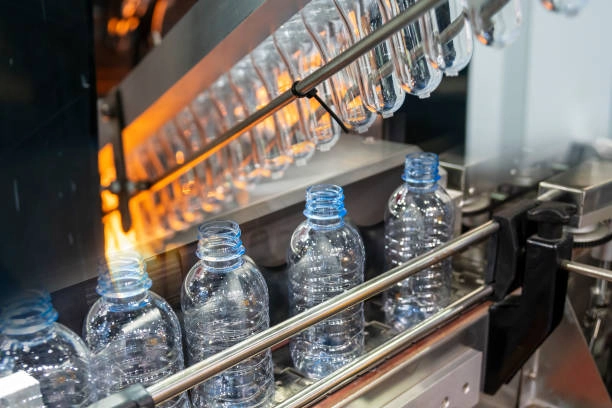
The mold acts as more than just a basic tool. It actually controls efficiency throughout the entire bottle making process. A carefully built pet blow mold guarantees even wall thickness. It also keeps neck dimensions stable. This leads to reliable filling results and cuts down on wasted products. Badly balanced molds often cause unequal cooling or shape problems. These troubles then affect later steps, such as labeling and capping.
What Is a PET Bottle Blow Mold?
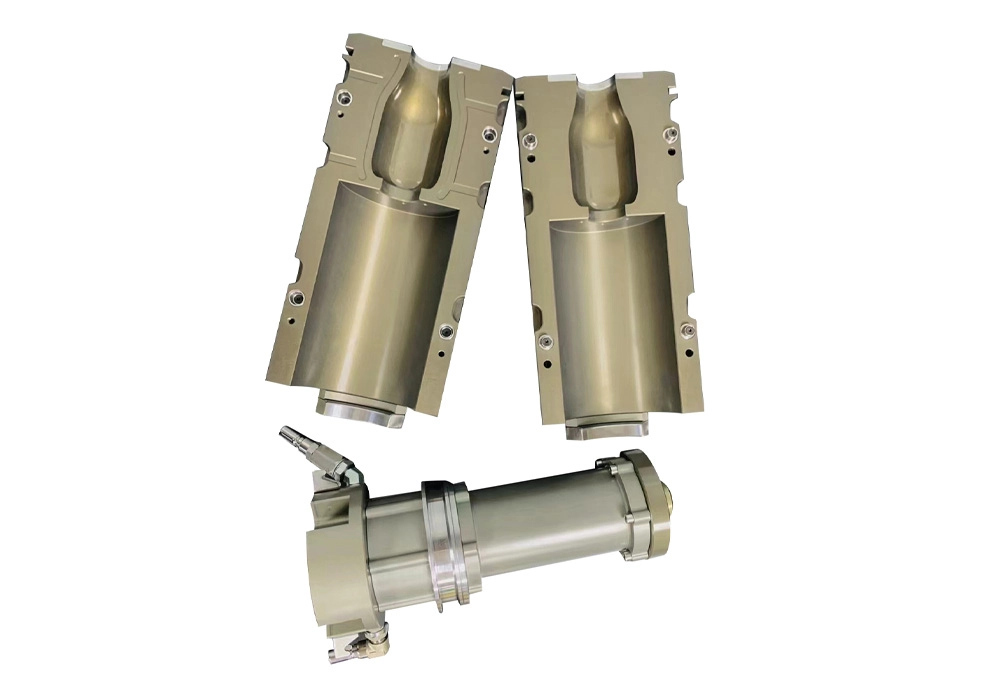
A PET bottle blow mold shapes every single curve of the finished container. The hot plastic preform stretches inside the mold space. High-pressure air pushes it until it matches the needed shape. The exactness of this mold space decides a lot. It controls how uniform each bottle remains throughout thousands of production runs.
You can find two primary production methods. These are single-stage and two-stage molding. Inside a single-stage setup, injection and blow molding happen on one connected line. The machine forms and blows the preforms while they stay warm. A two-stage system splits these actions apart. First, the machine creates the preforms. Workers store or move them. Later, the preforms heat up again for the blowing step. Both methods work well for different needs. Single-stage systems fit smaller batches and unique bottles. Meanwhile, two-stage setups rule massive drink production lines.
10 Questions to Ask Before Buying a PET Bottle Blow Mold
Picking a bottle blowing mold involves more than just checking costs or shipping dates. The questions below will help you understand the most important details. You should ask them before you sign a deal with any supplier.
1: What Material Is the Mold Made From?
Builders normally cut molds from aluminum, stainless steel, or beryllium copper metals. Aluminum weighs very little and is simple to cut. However, it wears down quickly during heavy operation. Stainless steel survives much longer. Still, it moves heat badly. This slow heat transfer increases cycle times. You must improve it using special cooling paths. Beryllium copper provides great heat movement. On the downside, it costs a lot of money.
2: Is the Mold Compatible with My Blow Molding Machine?
A proper fit is absolutely required. Each machine features exact plate spacing and mounting setups. They also have unique air channel designs. Even tiny differences can create bad seals. They might also cause parts to line up poorly during work. Certain makers sell adapter plates and conversion tools to mix different brands. However, this choice makes the whole system more complicated.
3: What Bottle Design Options Does the Mold Support?
The shape of the bottle controls its beauty. It also decides how strong the bottle stays under pressure and heavy stacking weights. Complicated designs need molds with multiple pieces. These tools must have exact air vents to stop air bubbles from getting stuck. You can add raised logos and rough surfaces right into the mold wall. This boosts your brand image. It also saves you from doing extra printing work later.
4: How Efficient Is the Cooling System?
Cooling speed controls your daily output more than any other factor in blow molding. Inside water pipes pull heat away from the hot PET. This happens the moment the plastic touches the metal wall. Air-cooled molds do exist in the market. Yet, they almost never match water systems in speed and steady results.
5: What Is the Expected Mold Lifespan?
A normal aluminum tool might survive for several hundred thousand runs. Hardened steel models can easily pass several million runs if you treat them well. The total life depends on steady working temperatures. It also relies on strict cleaning habits. Wear eventually shows up over time. You usually see this as extra plastic leaking around the joining lines.
6: What Maintenance Requirements Should Be Expected?
You should use exact measuring tools to find any shape bending inside the cavity. Tiny errors will grow very fast under constant heat stress. Normal upkeep keeps your production moving smoothly. Molds gather old PET bits and tiny dust particles. These block the air holes if you do not wash them often. You must add oil to the moving parts. This stops the metal pieces from scratching each other when the tool opens and shuts.
7: Who Provides After-Sales Support and Spare Parts?
Even top-quality tools will need technical help at some point. Rubber seals break down over time. Metal inserts can crack. Guide pins will wear away. Good suppliers keep a large stock of spare pieces. They also give remote problem-solving help in just a few hours instead of waiting for days.
8: Can the Mold Be Modified for Future Bottle Designs?
Market styles change very quickly. Plans to make bottles lighter or fresh marketing ideas frequently require new shapes. This often happens right in the middle of a product’s life. Modular tools use swappable pieces to solve this. They let you make these updates without buying a whole new tool set. A modular design does raise the starting cost a little bit. However, it returns that money by offering great flexibility. This is very helpful when your bottle styles change every single year.
9: How Accurate Are the Dimensional Tolerances?
Exact sizes control every step that follows. This includes how well the cap fits. It also affects how straight the labels go on during automatic running. Bad size control creates uneven wall thickness. This ruins both the physical strength and the clear look of the final bottles. Top-level tools reach exactness down to tiny microns.
10: What Is the Total Cost of Ownership (TCO)?
Simple price tags show very little about the real expenses over many years of work. The total cost involves worker setup time and power use for each run. It also covers cleaning schedules and the supply of spare parts. Finally, it includes the risk of lost time from sudden breakdowns. You should never look only at the final number on the starting bill.
Making an Informed Decision When Purchasing a PET Blow Mold
Picking a pet blow mold means mixing exact engineering with smart money choices. The tool details must match your factory speed goals. It makes no sense to buy super-fast tools if your early feeding machines run too slowly. Trustworthy performance usually beats brand-new ideas. Well-tested designs normally do much better than new tests during non-stop factory work.
Contact HEYAN TECHNOLOGY today to discuss your requirements and receive a customized solution tailored to your production needs.
FAQ
Q1: How long does it take to build a custom PET bottle blow mold?
Waiting times change from four to eight weeks. This depends on the design difficulty and how busy the maker is.
Q2: Can a single mold make different bottle sizes?
This works only if the maker builds it with a modular design. Otherwise, every single size needs its own special mold set.
Q3: What creates uneven wall thickness inside blown bottles?
Bad preform heating causes this issue. Poor temperature balance inside the cavity also creates problems. These errors lead to bad stretching during the blowing process.


