

8 Questions to Ask Before Buying a Custom Bottle Blowing Mold
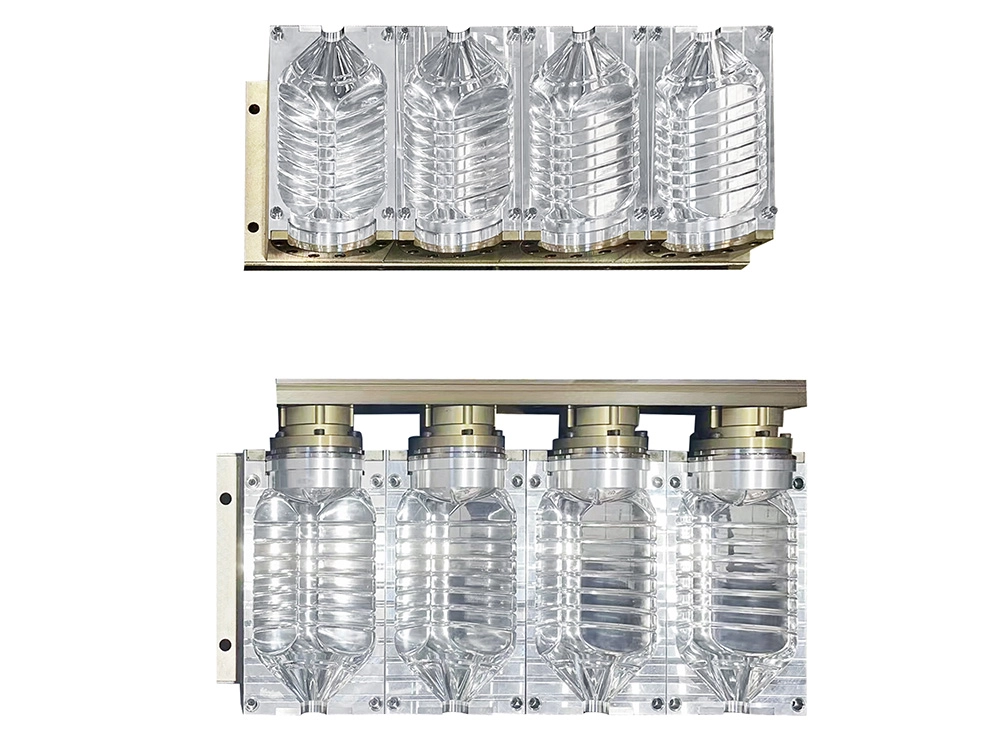
Selecting the right bottle blowing mold ranks as one of the most vital choices for any PET bottle manufacturer. This mold shapes the product’s form, plus its durability, transparency, and uniformity. A bad pick might cause expensive delays. On the other hand, a smartly built mold supports smooth operations and helps brands stand out.
Why Mold Quality Matters for PET Bottle Production
Top-notch molds deliver steady bottle shapes and dimensions. You need this for automated filling setups and even packaging. If designers create poor molds or use cheap materials, problems arise. You might see uneven walls, stress lines, or leaks that weaken the product.
Bad molds also drag down speed because of constant fixes or redo work. Dependable molds cut these stops. They lower scrap and speed up cycles. Foshan Heyan Precision Mold Technology Co., Ltd. boasts solid processing skills and a skilled technical crew. This strength means every mold hits the strict limits needed in today’s PET preform manufacture settings.
Plus, we have made a full range of high-quality injection moulds. These feature smart overall structure designs, fine accuracy, steady performance, quick product cycles, and reduced expenses. The same ideas hold for bottle blowing molds. Exact engineering leads straight to cheaper runs and better output rates.
The Role of Customization in Bottle Design
Customization blends engineering with marketing needs. A tailored mold lets brands set their bottles apart with special curves or raised logos. At the same time, it keeps key functions like easy holding or stable stacking. Custom shapes also improve how material spreads out. This cuts PET use while holding strength firm. Sustainability now drives packaging plans, so this point grows in value.
You get custom fixes that cover main machines, process uses, automation tools, helper gear, smart services, work spaces, and beyond. This full customization from HEYAN TECHNOLOGY makes sure molds look unique. We also run well with various blowing setups, such as SIDEL or KRONES machines.
Evaluating Your Production Needs Before Purchase
Before you order from pet preform machine suppliers or mold makers, match your setup details to mold specs.
Assessing Production Volume and Machine Compatibility
Start by gauging your current output and growth plans ahead. If your factory runs several blowing lines or aims to ramp up soon, pick a flexible modular or multi-cavity setup. You must match it to your current blowing gear. Wrong fits lead to poor alignment or air escapes in runs.
A simple comparison table can steer your choice:
| Factor | Consideration | Impact |
| Machine Type | Rotary vs Linear | Determines mold base design |
| Output Volume | Low/Medium/High | Influences cavity count |
| Future Expansion | Planned scaling | Choose adaptable configurations |
Building in room to grow means your spend now supports bigger chances later.
Understanding Material Requirements
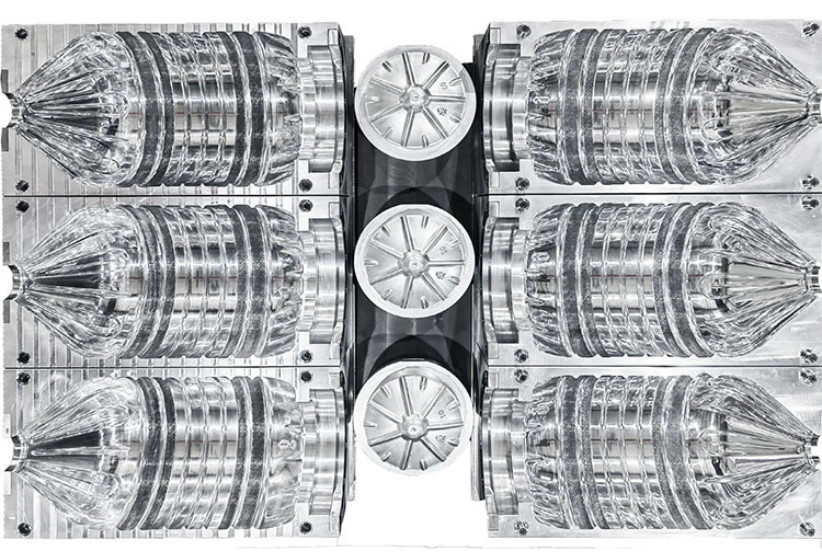
PET traits like viscosity index (IV) and melt flow rate shape how the resin acts in heat and force. Molds face repeated heats without bending or rusting. Steel type counts here. Tough stainless options like S136 or H13 work well for lasting strength.
Pick mold materials that handle strong pressure and heat. Surface finishes, such as nitriding or chrome coating, boost life by easing release friction.
Key Questions to Ask Potential Mold Suppliers
Talking to a supplier goes past just cost. It checks their partnership strength and tech know-how.
What Experience Does the Supplier Have in PET Mold Manufacturing?
Ask how many years they have spent making molds for PET preform manufacture jobs. Time in the field often shows dependability. This control yields steady results. Check their past projects. Real examples show if they tackled like bottle forms or machine types before.
What Design Support Does the Supplier Offer?
Today’s tools lean on computer models. Make sure your supplier gives 3D tests and sample runs before big production starts. Heyan brings strong engineering, R&D, technical, and sales teams. This know-how allows design tweaks that improve cooling paths or air flows for quicker runs.
Good design aid includes back-and-forth reviews. Suppliers open to changes often give stronger results over time.
How Long Is the Mold Production Cycle?
Delivery time shifts with detail level. Know it early to avoid plan shocks. Ask about hold-up risks, like steel sourcing or cut delays. Then adjust so your line stays active, not waiting on tools.
What Materials Are Used in the Mold Construction?
Open talk on materials builds faith. Ask for hardness scores (HRC levels) and rust tests done on steel batches. Confirm rust resistance, hardness, and service life of materials. Solid suppliers list these in clear tech sheets.
What Kind of Maintenance or After-Sales Support Is Provided?
Even fine molds need upkeep as years pass. They offer tech help: one-stop aid like product training and fixes. HEYAN TECHNOLOGY supports clients with ongoing maintenance plans. These include spare parts access and far-off problem solving.
With a valid invoice and warranty card, the nationwide joint warranty lasts 12 months. Free part swaps come during that time. Such promises cut stop risks after setup.
Are There Any Testing Procedures Before Delivery?
Every mold needs test runs before shipping. These check size accuracy in real work conditions. Ask for reports on wall spread or blow force steadiness across spots. Clear quality checks show trust in their work.
How Does Pricing Reflect Quality and Service?
Cheap deals tempt, but they often skim on steel quality or finish care. Request a full cost split, like design charges from cut fees, to spot real value.
Weigh suppliers on price and after-help speed. A bit more upfront might save from later halts.
Can the Supplier Provide References or Client Feedback?
Client stories show true use beyond sales pages. Seek ongoing buyers. That points to trust built on steady work. Lasting ties matter most with changing packaging setups. Here, steady teamwork pushes steady gains.
Ensuring a Smooth Procurement Process with HEYAN TECHNOLOGY
Moving from checks to action needs trusty partners who grasp machine fits and market wants. HEYAN TECHNOLOGY shines among pet preform machine suppliers. We deliver full-end fixes, not lone parts. Our work spans PET preform molds, cap molds, and rotary blow molds for leading brands like SIDEL or KRONES systems. Advanced CNC centers ensure tiny precision at micron scales.
The company follows a management aim of “Pursuing Excellence and Striving for Perfection”. They hold a quality rule of “Better quality and Higher standard”. This outlook creates tough tools for millions of runs without wear. It helps figure true ownership costs, not just first buys.
Teaming with HEYAN gives you gear plus engineering tips. These aid your whole bottle-blowing flow, from preform heat tweaks to final checks. All fits one linked plan.
FAQs
Q1: How long does a typical PET bottle blowing mold last?
With regular care using strong steel like S136H or H13, molds endure several million cycles before big fixes.
Q2: Can I use one mold across different blowing machines?
Only if adapter plates fit; else, custom bases need cuts for matches between rotary and linear types.
Q3: What’s included in HEYAN TECHNOLOGY’s after-sales service?
We give setup guides, worker training meetups, spare parts in warranty times, plus lifetime tech talks.
Q4: How can I reduce PET material waste during production?
Team with suppliers who use model-based designs. These even out wall thickness while keeping form solid.
Q5: Do custom bottle designs increase lead time significantly?
Usually by 10–20%, based on detail; yet early CAD work cuts hold-ups in later tool builds.


