

Cost vs Quality: How to Balance Price When Choosing a Blowing Mold | Essential Guide for Smart Purchases
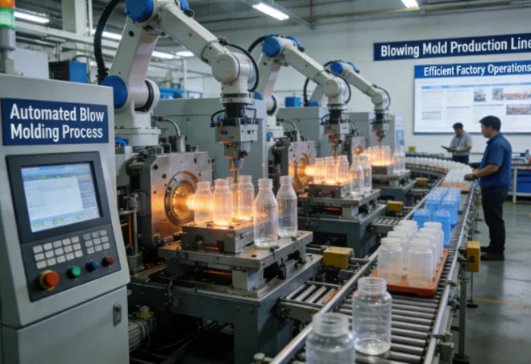
In the tough world of manufacturing, picking the right blowing mold matters a lot. It helps keep product quality high, work fast, and costs under control. Yet choosing between low price and good results can feel hard. Businesses want to spend less money. At the same time, going too cheap on quality often brings trouble. You might face more breakdowns, extra waste, and weak final products. This guide shows how to find a good mix of cost and quality when you buy a blowing mold. The smart choice often saves cash over a long time.
Foshan Heyan Precision Mold Technology Co., Ltd. makes strong blowing molds for many fields. They serve packaging, cars, and home appliance makers. Their molds give great accuracy and last a long time. Customers get solid production quality while keeping running costs low. With years of skill and know-how, Heyan’s molds meet tough factory needs and win trust from many makers.
What Determines the Cost of a Blowing Mold?
Many things decide how much a blowing mold costs. It can feel easy to grab the lowest price. But you need to know what pushes the price up. You also need to see how those things link to how well the mold works.
Material Quality and Construction
The stuff used to build the mold sets a big part of the price. Strong molds come from tough materials. These resist wear and handle high heat well. For example, molds made with top-grade steel or special aluminum mixes cost more. Yet they last much longer. They also give steady results and hold up better.
Cheaper molds often use weaker materials. These break down fast under pressure or heat. That means more fixes and new molds sooner. Picking the right material helps the mold match your work needs. It avoids early breakdowns.
Design Complexity
How tricky the mold design is also changes the price. Fancy designs cost more. Think multi-part setups, detailed cooling paths, or special custom touches. They take extra time and skill to build.
Simple molds look cheaper at first. But they can lead to uneven parts or more mistakes. A well-thought-out complex mold might cost extra money up front. Still, it brings better quality, smoother work, and steady output later.
Production Volume
How many pieces you plan to make affects price too. Big runs make it worth spending more on a tough mold. The cost for each piece drops a lot when you produce many. For small runs, a basic cheaper mold might work okay. But over time, it can raise costs. You end up fixing or replacing it more often.
How Quality Impacts Blowing Mold Performance and Lifespan
Spending more on a good mold pays back over time. Strong molds handle tough factory work. They keep accuracy high. They give the same good results again and again.
Durability and Consistency
Good molds last longer. That cuts down how often you need a new one. Less downtime happens too. A quality mold stays accurate for many cycles. Every part comes out the same. This matters a lot in fields like cars or packaging. Parts must fit exact sizes or rules.
Low-quality molds wear out fast. They need more fixes. Products turn out uneven. That raises scrap piles and hurts work flow.
Fewer Defects and Failures
A precise and reliable mold means fewer bad parts. Scrap drops. Customers stay happy. Profits grow. Better molds often have smart features like good cooling setups. These stop problems such as bent shapes or uneven walls.
Maintenance and Repair
Cheap molds need fixes often. Repair bills add up quick. A higher-quality mold needs less care. It saves time and money in the end.
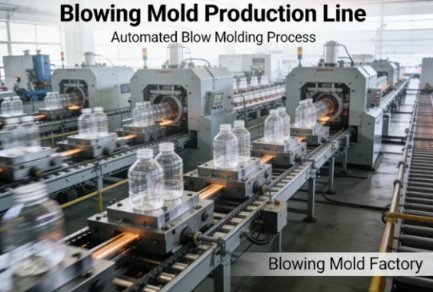
Key Areas Where You Should Not Sacrifice Quality
It feels good to save cash at first with a cheap mold. But some parts matter too much. Cutting corners there brings bigger costs later. Here are spots you should always keep strong:
Material Selection
Never skimp on the material. High-grade steel or strong alloys last longer. They fight wear better. Cheap stuff breaks down fast. You replace the mold sooner.
Precision and Performance
Accuracy in the mold keeps parts the same every time. Low-cost molds often lack fine making. That causes flaws in the finished product. A better mold with tight measurements gives clean, trustworthy parts.
Cooling System
A good cooling setup is a must. It keeps the mold working right. It stops uneven cooling. That avoids warping, cracks, or other issues. Strong molds have smart cooling that spreads heat evenly. This helps the mold work better and live longer.
Where You Can Afford to Save — Practical Tips
Some things should stay top quality. But you can still cut costs in smart ways. Here are a few tips to keep price down without hurting results:
Standard Parts and Off-the-Shelf Components
Use regular parts instead of custom ones. Off-the-shelf pieces work just as well in most cases. They fit easy into your mold. This lowers the total price without losing power.
Modular Design
Go for a modular mold. You can swap parts when needs change. This setup fits different jobs. It keeps spending in check over time.
Volume Discounts
Buy more molds at once. Or sign a long deal with the supplier. You often get big price cuts. A good relationship with a trusted maker can bring better deals later. You may also get faster help when needed.
How to Evaluate Cost vs Performance Before You Buy
Picking the best blowing mold takes a clear plan. Here is how to choose wisely:
Define Your Production Requirements
Know your needs first. What products do you make? How exact must they be? What materials do you use? Clear answers help you focus on key features. Put quality where it counts most.
Use a Scoring System to Compare Options
Make a simple score sheet. List must-have things like material strength, design level, and expected life. Give each mold a point for each item. This helps you see the best mix of cost and work in a fair way.
Ask for Reference Samples and Test Reports
Ask the maker for sample parts. Get reports from real runs. Test the mold in your own shop if you can. You see how it works for real. You know if it hits your quality and speed goals.
Conclusion: Make Smart Decisions That Fit Your Budget and Production Goals
Finding the right blowing mold means weighing price against how well it works. Cheap ones look nice at first. But strong molds save money later. They last longer. They give steady parts. They run smoother. Check your needs carefully. Use a good way to compare. Then you pick a mold that fits your money and your long-term factory plans.
FAQ
Q1: What is a blowing mold used for?
A: It shapes materials like plastic, aluminum, or steel into hollow items. Think bottles, containers, and similar products. Many fields use them, such as packaging and car parts.
Q2: How does a blowing mold improve production efficiency?
A: A good mold makes parts accurate and the same every time. It cuts defects and waste. Work moves faster. Machines stop less.
Q3: Can I save money by buying cheaper blowing molds?
A: Cheap molds seem like a deal. But they often need more fixes and new ones sooner. Products may turn out worse. Better molds lower care costs and raise output over time.
Q4: How do I evaluate the right blowing mold for my production?
A: Look at your work needs. Check material type, quality goals, and how many parts you make. Balance price with how well it performs. Find what fits best.
Q5: When should I replace my blowing mold?
A: Replace it when you see heavy wear. Look for slower work, more bad parts, or trouble meeting goals. Regular checks help spot the right time to change it.


