

Hot Runner vs Cold Runner in Preform Moulding: Which One Fits Your Bottle Line?
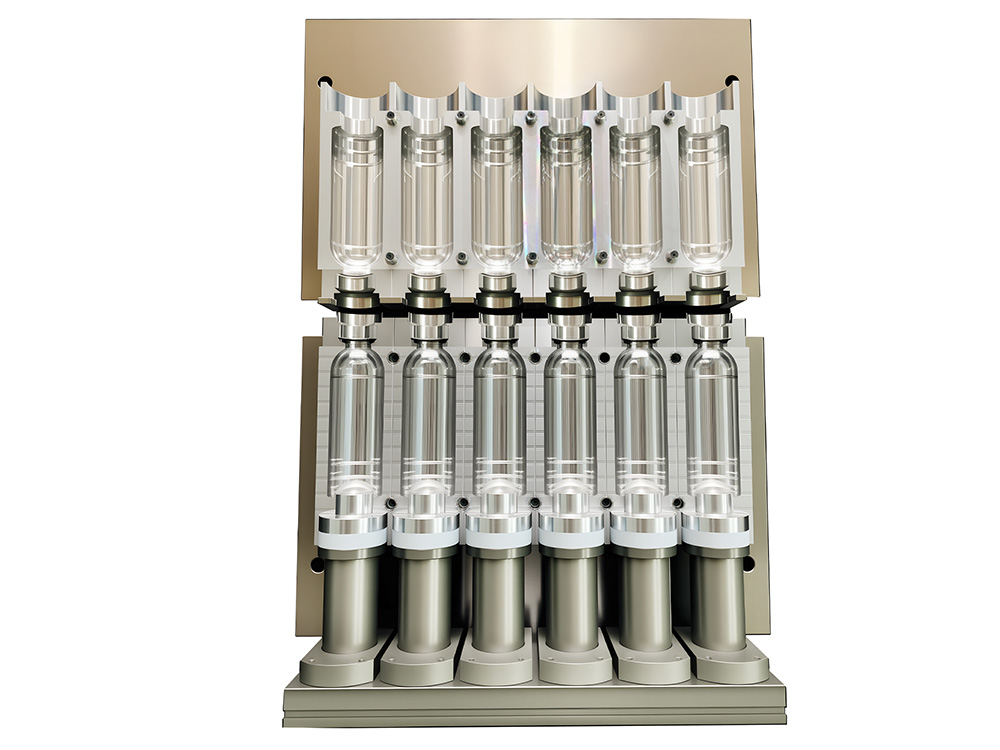
Standing on your production floor and watching those PET preforms come out of the mould, you might ask yourself if there’s a better way to handle your flow. Picking between hot runner and cold runner systems is one of those basic choices that can quietly shape how much money your operation makes. It’s not just about how the plastic moves. It’s about how your cash moves. Make the right call here, and you find hidden efficiencies. Make the wrong one, and you could be leaving a lot of savings behind. This isn’t about which tech is better in a book. It’s about which answer gives you more value for your specific bottle line.
The Basics: How Do Hot and Cold Runner Systems Work?
Before we start comparing, let’s be clear on what we mean. Both systems do the same main job: they bring molten plastic to the mould cavities that shape your preforms. How they do this, and what happens next, is very different.
The Cold Runner System: A Simple Analogy
Think of a tree with many branches. The trunk is the main channel, and each branch goes to a different cavity. In a cold runner mould, this whole network, trunk and branches, cools down and becomes solid with your preforms. After each cycle, you get not only the finished preforms but also this solid tree of plastic, called the runner. Then someone has to split the runners from the preforms. Those leftover runners? They either go back into your process, with the plastic getting a bit weaker, or they become trash. It’s simple but not always smart.
The Hot Runner System: Keeping the Material Ready to Flow
Now picture that same tree, but this time it’s always warm. The plastic inside never gets solid. That’s the main thing a hot runner system does. It keeps the plastic molten from the machine nozzle right to the door of each cavity. Every shot gives you only preforms, no runners to split, no regrind to deal with. It’s a smarter approach that can feel like magic when you see it work for the first time.
Head-to-Head Comparison: Weighing the Pros and Cons
So which system should you pick for your preform moulding work? The answer depends completely on what you care about most: keeping things simple and cheap at the start, or saving money and running smoother in the long run. Let’s look at the real-world effects of each way.
Think of it like this. If your production line has ever been slowed down because someone had to deal with and separate those solid runners, you’ve felt the hidden cost of cold runner systems. That’s time and people that could be doing more important jobs.
At the same time, shops using good hot runner tech often see material savings of 5% or more. For a big line running all day and night, that number turns into serious cash over months and years.
The Decision Matrix: Which Runner System Is Right for You?
With all these things to think about, how do you make the smart choice? The decision comes down to your own production needs, money limits, and long-term plans. Let’s turn these technical points into real business choices.
Your bottle line’s own situation will show you the best path. There’s no single right answer for everyone, only what works best for your shop.
Choose a Hot Runner System If…
You run lots of production with the same materials. Your yearly output is in the tens or hundreds of millions of preforms. Material costs really change your bottom line, and you want to stop runner recycling. You care a lot about steady part quality with very little gate mark. Your shop likes automation and you want less hand work. The bigger first cost fits your budget, and you are looking at return over many years.
A Cold Runner System Might Be Your Best Bet If…
You are just starting out or don’t make as much volume. You make smaller batches and change materials or colors often. The first cost is a big worry, and you need to keep start-up spending low. Your shop has room for the extra step of runner separation and recycling. You like easier maintenance that your current team can do without special training. You are making test pieces or trying new preform designs before going big.
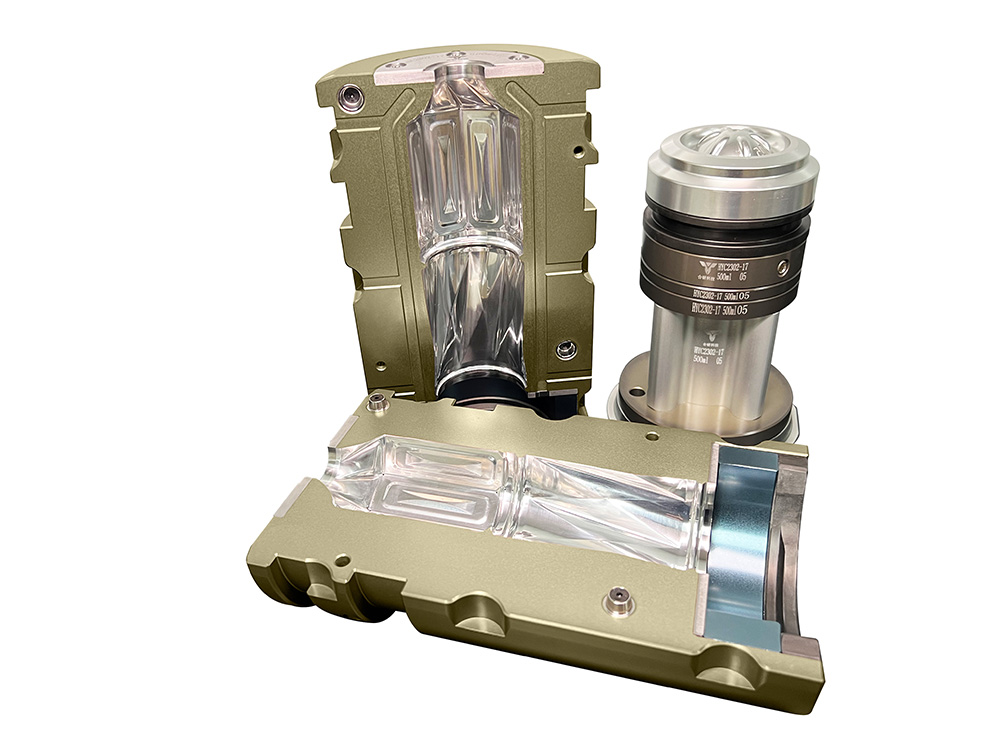
Beyond the Binary: Advanced Considerations for Preform Moulders
Sometimes the choice isn’t as simple as picking one system over the other. People who know moulding understand that real production often needs mixed answers that take the best from both techs. Let’s check some of these finer points.
It’s interesting, some of the best ideas we see use mixed setups. These smart designs show that your runner system doesn’t need to be a yes-or-no decision.
The Myth of “One-Size-Fits-All”
In bigger multi-cavity moulds, it’s pretty normal to see both techs together. Some moulders use hot runners for most cavities but add cold runners for certain spots that work better with them. Others use valve-gated hot runners for important quality areas and use thermal gates for less critical jobs. The best answer for your PET preform mould could be a custom mix that handles your special production issues.
The True Cost of Ownership
Looking past the first price tag is where good decisions happen. A hot runner system might cost more at the start but save money through less material use and lower people costs. A cold runner system has a cheaper start price but has continuing costs for runner handling, regrinding, and the material weakening that comes with recycling. Do the math for your own case. Sometimes the smarter money choice surprises you.
Partnering for Success in Your Moulding Project
Picking the right runner tech is both a technical and business decision that will affect your work for years. The best choice balances your immediate production needs with your long-term plans. There’s no global answer, but there is a perfect solution for your special case.
Making this decision with confidence needs experience. Not just with the tech, but with how these systems work in real production places. This is where finding the right technical partner changes everything.
Talking about partners, the group at Foshan Heyan Precision Mold Technology Co., Ltd. brings more than ten years of special skill in high-performance blow mould answers. What makes them different isn’t just their technical skill. It’s their way of getting your whole production picture. They think past the mould itself to how it will work with your specific machines, materials, and workers. Their engineers have a gift for seeing possible troubles before they become problems, saving clients from expensive stops. They’ve made their name not on being the lowest price, but on giving moulds that run well shift after shift. In this business, that trust is often worth much more than a small price difference.
FAQ
Q1: Which system usually lasts longer?
A: A well-kept hot runner system often lives longer than cold runner moulds. The heated parts are made for constant work, while cold runners get more wear from the repeated cutting and separation steps.
Q2: Can I change from a cold runner to a hot runner system in a mould I already have?
A: You can change it, but it’s often not worth the trouble. The switch needs a big redesign and usually costs about as much as a new mould. Most makers say you should plan for a specific runner system from the beginning.
Q3: How big are the material savings with hot runners?
A: For big PET preform production, material savings are usually 3% to 8% by cutting out runners. This adds up fast. For a line making 10 million preforms each year, that’s about 50,000 pounds of material saved.
Q4: Which system is better for changing colors?
A: Cold runners manage color changes better. The material in the runners cleans out with each change. Hot runners need more cleaning between colors, making them less good for frequent color changes.
Q5: Are hot runners harder to look after?
A: Hot runners do need more special maintenance knowledge and careful handling of the heating parts and thermocouples. But once you set up good maintenance habits, many shops find the total maintenance work is about the same, just different.