

How to Choose a Blow Mould Supplier for PET Bottle Projects | Practical Buyer’s Guide
If you run PET bottle projects, you know how much rides on the moulds. A nice bottle drawing and a fast blowing machine still cannot save a poor tool. The right blow mould supplier helps you get stable bottle quality, fewer defects and a smoother start-up. The wrong choice gives you flash, leaks, long troubleshooting nights and a line that never quite runs as fast as the spec sheet suggests.
Here, you will see the practical checkpoints that matter most when you choose a blow mould supplier for PET bottle projects, with a clear look at how pet preform quality ties into stable blowing performance.
Why the Right Blow Mould Supplier Matters for PET Bottle Projects
Blow moulding for PET bottles looks simple on the surface. Preforms go in, bottles come out. On the shop floor, small details in the mould decide whether that line runs clean or constantly throws surprises. Wall thickness, clarity, neck fit and cycle time all trace back to mould design and build standard.
How Blow Mould Quality Affects PET Bottle Performance
A good PET bottle mould keeps wall thickness distribution within a tight band, so you do not see thin corners, soft panels or random pearlescence under load. Cooling channels hold plate temperature in a narrow range, which keeps bottle dimensions stable over long runs. When cooling is uneven, plates expand differently, parting lines open slightly and defects start to appear.
Surface finish and venting also matter. Poor vent design traps air, which leaves bubbles, burn marks or tiny folds in the bottle shoulder. Over time, worn vents or blocked vents change how the parison stretches into the cavity. That is when you see one cavity drift out of spec while others stay fine.
The Role of PET Preform Quality in Blowing Results
Even the best bottle blow mould struggles with bad preforms. If the pet preform weight, neck finish or L/T ratio sits outside the blowing window, you need more pressure, more heat and more trial bottles just to hit a workable setup. A supplier that offers PET preform mould solutions together with bottle blow mould design can match preform geometry to bottle shape, so stretch ratios and material flow stay in a safe and repeatable range. In real plants, many blowing problems come from small changes in preform dimensions. A slight shift in support ring or thread can cause sealing issues in the blowing mould. That is why it helps to work with a blow mould supplier who talks about pet preform compatibility rather than only cavity count and price.
Evaluating Experience in PET Bottles and Preform Projects
Before you look at machines and steel grades, you want to know if the supplier has real depth in PET packaging, not just general plastics. PET behaves differently from HDPE or PP in blow moulding. It is more sensitive to temperature, stretch and cooling balance.
Track Record With PET Bottle Mould and Preform Mould
Ask how many PET bottle moulds and preform moulds the supplier has delivered, and for which sectors. Water, CSD, edible oil, dairy and household chemicals all have slightly different bottle demands. A supplier with a solid record in those fields reads your drawings quickly and spots weak points early.
You can also ask about typical cavity numbers, neck standards and common bottle volumes they handle. This gives you a feel for whether your project sits inside their comfort zone or pushes them into a field they rarely touch.
Support for Different Bottle Applications
If you run several product lines, you may need small trial bottles, large handled containers and maybe a few special shapes. A strong blow mould supplier can talk through how mould design changes across food, daily chemical and pharmaceutical style packaging. That kind of conversation helps you avoid over-complicated shapes that are hard to blow and hard to pack, even if they look nice in a sketch.
Key Engineering Capabilities to Look at
Once you are comfortable with the experience level, the next step is the engineering detail behind each blow mould. A drawing can look clean while the real tool behaves badly if core engineering choices are weak.
Cooling System, Steel Selection and Venting
Cooling is often the hidden cause behind many bottle issues. Balanced and clean cooling channels keep mould temperature steady, which holds bottle dimensions tight and keeps cycle times short. When channels clog with scale or dust, plates distort slightly and parting lines start to leak. Flash at the neck or body then shows up and eats into your scrap rate, as many PET preform lines have seen already.
Steel choice also matters. Aluminium plates give fast heat transfer for some bottle types, while hardened stainless steels bring longer life at higher clamp forces. A capable blow mould supplier explains which steel suits your bottle family, your machine size and your expected lifetime.
Vents need attention too. Depth, position and edge condition all affect how trapped air leaves the cavity. If vents wear or clog, you get burn marks or random folds on the surface. Regular vent cleaning and inspection, guided by the supplier, keeps the mould closer to its original condition.
Neck Finish, Alignment and Parting Line Quality
Neck finish precision is where many projects quietly lose money. Small errors at the neck create capping leaks, label problems and claims later in the chain. A good blow mould supplier holds neck tolerances tightly and checks them with proper gauges, not only by eye.
Alignment parts such as guide pins, bushings and locating blocks carry clamp load every cycle. When they wear, the mould shifts a little on each stroke. That movement opens the parting line and creates flash. A supplier that designs robust alignment and talks about maintenance intervals helps you stay ahead of this drift instead of chasing it after leaks appear on your filling line.
Service, Trials and Lifecycle Cost
Price on the quote sheet is easy to read. Service quality is not. Yet in practice, service often decides whether your PET project feels calm or painful.
Trial Blowing and Start-Up Support
If the supplier can run trial blowing on their side, you receive a mould that already produced acceptable bottles. That shortens the time you need for first approval on your line. During early production, it helps when the supplier can review sample bottles, photos and process data, then give concrete advice on vent cleaning, clamp force or cooling adjustments. Nobody enjoys stopping a line at two in the morning because of flash from a tired mould.
Maintenance Advice and Spare Parts
Over months and years, mould life depends on small routines. Cleaning vents, checking alignment and keeping cooling channels open all extend running time between major repairs. A serious blow mould supplier gives you clear maintenance guidance and keeps key spare parts like neck rings, inserts and seals available, so you do not park a whole line while waiting for a simple part.
Cost Versus Value Over the Life of the Mould
A low quote can look tempting, but if the mould runs slowly, flashes often or needs early refurbishment, your real cost per bottle climbs. When you compare blow mould suppliers, look at expected cycle time, bottle weight reduction potential, planned lifetime and service support. These factors decide how many good bottles you get from each tool, which is what really counts.
When a Complete Blowing System Partner Makes Sense
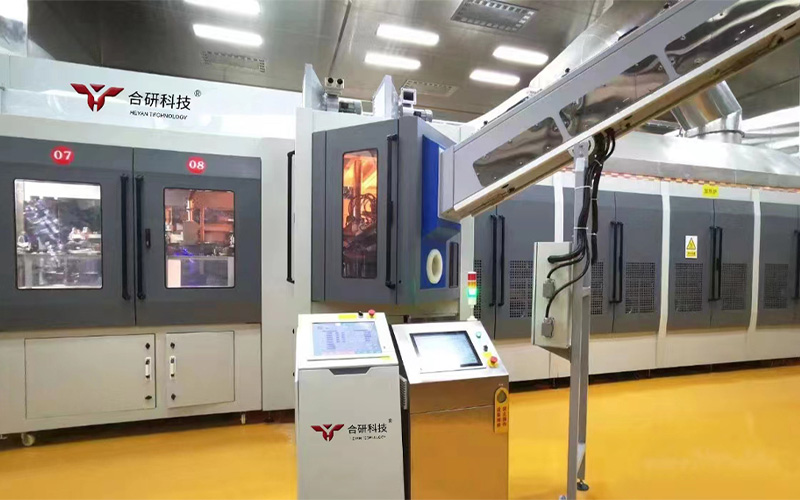
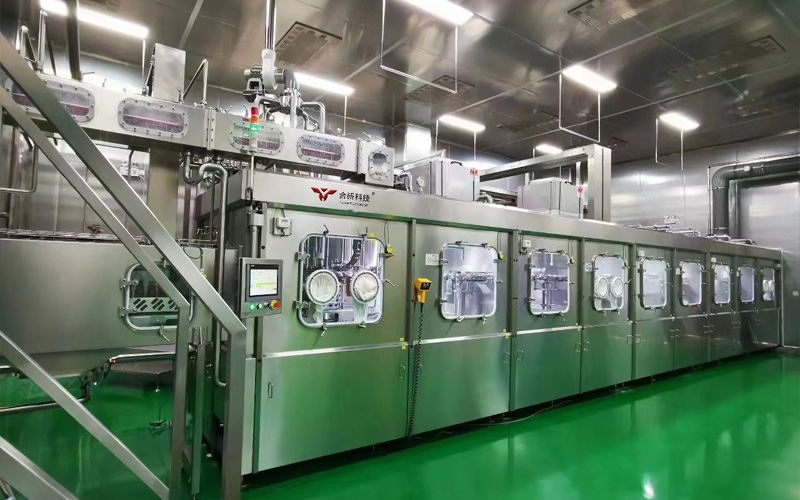
If you plan a new PET bottle project or a full line upgrade, there is value in working with a partner who can support preform moulds, bottle blow moulds and a Blowing System Complete Line Supporting Scheme in one package.
With one technical team behind the tooling, you get better control over pet preform design, bottle shape, neck fit and cooling balance across the whole chain. That reduces the finger pointing between machine, mould and process, and helps you move from trial production to stable daily output with fewer surprises.
About HEYAN TECHNOLOGY as Your PET Mould Partner
HEYAN TECHNOLOGY, full name Foshan Heyan Precision Mold Technology Co., Ltd., focuses on PET packaging mould systems from the ground up. The company is based in Shishan Town, Nanhai District, Foshan, an area known for strong manufacturing supply chains. From this base, HEYAN TECHNOLOGY delivers preform moulds, bottle blowing moulds, cap moulds and complete line supporting programs for customers in beverages, food, household chemicals and other fields.
Its engineering team works with high precision machining centres, measurement systems and mould temperature control technology to keep cavity geometry stable over long runs. Projects are handled as full systems, not isolated tools, which helps match pet preform design to bottle requirements and real plant conditions. The company places heavy weight on quality control and progressive R&D, so moulds do not just pass first inspection but keep running with consistent output. For buyers who want a long term PET mould partner rather than a one-off supplier, HEYAN TECHNOLOGY offers that mix of technical depth and practical production sense that daily operation needs.
FAQ
Q1: How many projects should a blow mould supplier have before you trust them with PET bottles?
A: There is no magic number, but you want a supplier who has handled multiple PET bottle and preform mould projects in the same volume and neck range as yours. Ask for real case photos, sample bottles and typical tolerances. If the answers stay vague, it is usually a warning sign.
Q2: Is it necessary for the blow mould supplier to also make pet preform moulds?
A: It is not mandatory, but it helps a lot. When one team designs both pet preform mould and bottle blow mould, they can match stretch ratios, wall thickness targets and neck details more cleanly. That usually gives you faster start-up and fewer hidden problems on the blowing line.
Q3: What should you look at on a quote besides the mould price?
A: Check what steel is used, expected lifetime, standard cycle time, number of sample runs, spare parts package and support during start-up. Also ask how the supplier handles flash, cooling issues and vent wear in running moulds. These points say more about real cost than the first number on the quote.
Q4: How often should a PET blow mould be checked during production?
A: Many plants check bottles and preforms every few hours, not only at the start of a shift. Short visual checks on neck finish, wall thickness trend and surface marks help you catch issues before they become full defects. Quick checks on vent cleanliness and cooling flow also pay off over time.
Q5: When is a complete blowing system partner a better choice than separate suppliers?
A: If you are building a new PET line, changing bottle families or do not have a large in-house engineering team, a complete blowing system partner can save a lot of coordination work. You get one technical contact for pet preform moulds, bottle blow moulds and line support, which usually leads to a smoother ramp-up and more stable day to day running.