

How to Keep Preform Moulds Running Longer: Practical Maintenance Strategies
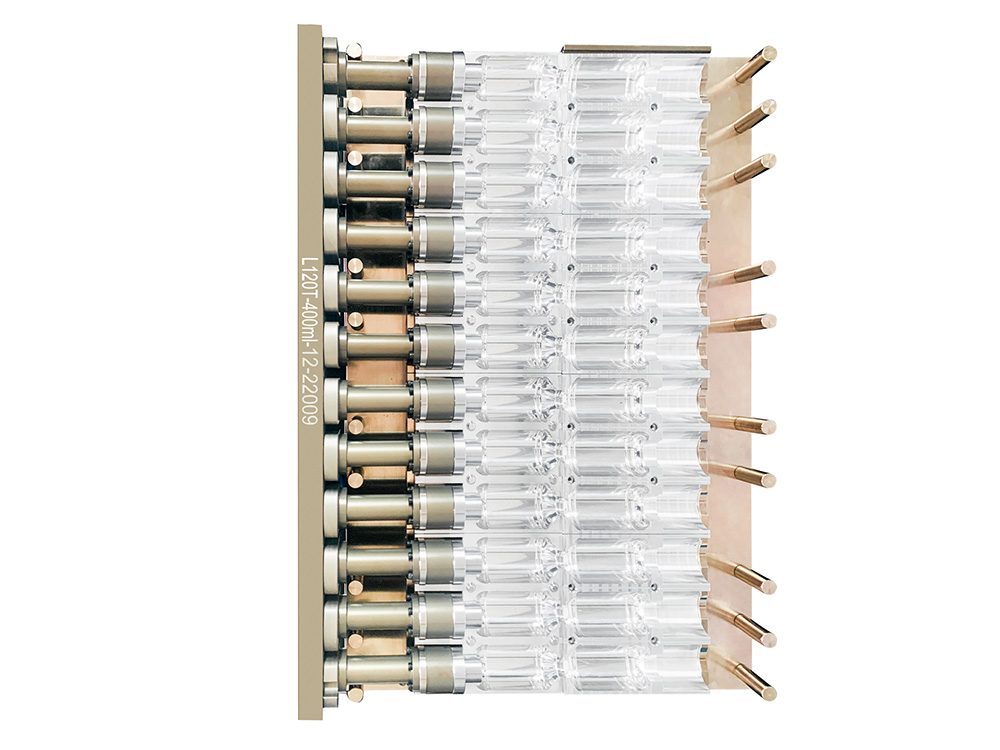
Running a PET preform line day after day can feel like a race you never quite finish. One shift goes smoothly, the next brings small defects, slower cycles, or changes that operators can’t fully explain. The mould often becomes the center of that story. When the tool starts drifting out of balance, the whole process absorbs the effect—longer cycles, flash, poor cooling, and higher wear. This guide walks you through practical maintenance strategies that help your preform moulds stay stable and productive over long production runs.
A long-lasting mould isn’t just a benefit for your maintenance team—it also protects part quality and reduces unplanned downtime. Instead of reacting to issues after they grow, you can take steady steps that keep the mould in its original working condition for much longer.
Why Mould Longevity Matters in PET Preform Production?
PET preform moulds work under heat, pressure, and constant mechanical load. As hours accumulate, the mould begins to show gradual changes. Cooling becomes less efficient, parting lines loosen, and vents clog more quickly. These shifts raise scrap rate and sometimes mislead operators into adjusting machine parameters instead of addressing the root cause.
Before moving into specific maintenance strategies, it helps to see mould longevity not as a single repair task but as a long-term plan. That mindset keeps you ahead of problems instead of chasing them at the last moment.
How Small Issues Turn Into Big Production Losses
Tiny issues like faint flash, soft sticking, or minor neck-ring wear may not seem urgent at first. Yet they often signal deeper problems that will grow over weeks. When cooling imbalance develops, cycle time creeps upward. When vents block, cavity pressure rises and flash begins. When alignment drifts, preforms show uneven dimensions.
A long-lasting mould is simply a mould that avoids these slow-developing failures through consistent preform mould maintenance and small, steady checks during daily production.
Daily Care That Prevents Long-Term Problems
Daily care is the simplest and most cost-effective way to extend mould life. These actions keep the tool clean, aligned, and cool enough to stay stable during a full shift.
Quick Cleaning and Surface Protection
Dust, resin flakes, and oil residue collect on parting surfaces during normal operation. Even a thin layer can act like a spacer and break contact between cavity and core. A brief wipe using approved cleaning materials removes buildup and keeps the shut-off surfaces in proper contact.
Cleaning also helps operators notice early signs of wear—tiny scratches, dents, or chipped edges—long before they become flash or deformation problems.
Monitoring Parting Line Integrity
Parting line wear creates most flashing problems in preform moulds. A daily visual check helps spot light bruises or color changes that hint at pressure imbalance. If operators see recurring light flash in the same cavity, that cavity deserves closer inspection before production continues.
Remaining consistent with these checks gives the mould a longer and more stable working life.
Weekly Actions That Strengthen Mould Stability
Weekly routines focus on areas that require deeper attention but not full disassembly. These steps keep cooling, alignment, and cavity conditions steady.
Vent Cleaning and Inspection
Even well-designed vents clog with PET dust and additives. When vents block, trapped air pushes melt toward weak spots and produces flash or burn marks. Cleaning vents once a week prevents this pressure buildup and keeps the mould filling smoothly.
Technicians also inspect vent depths and edges to ensure they haven’t worn down beyond PET’s recommended tolerance.
Checking Alignment and Mould Mounting
Guide pins, bushings, and locating blocks carry the load of high clamp force. If they wear down, the mould begins shifting slightly during each cycle. Weekly alignment checks catch these early movements. A small correction at this stage avoids much larger repairs later.
Good alignment keeps cavity shape true and reduces local stress on neck rings and gate inserts.
Cooling System Maintenance to Reduce Thermal Drift
Cooling is one of the biggest factors affecting mould life. When cooling becomes uneven, mould plates expand differently. This imbalance causes parting lines to open, warping to grow, and cycle time to increase.
You want to maintain cooling channels in a condition close to the original preform mould design. Clean channels and consistent flow keep mould temperature stable across all cavities.
Why Balanced Cooling Matters for PET Mould Life
PET is sensitive to temperature changes. Even small differences in mould temperature can shift wall thickness, neck dimensions, and gate crystallinity. Over time, heat imbalance also increases plate distortion, which shortens mould life and leads to frequent maintenance stops.
Keeping a mould stable is also about knowing how it behaves during real production. Some plants check preforms every few hours, not just at the start of a shift. This small routine helps catch slight dimensional drift or longer cycle times before they turn into full defects. For example, if the support ring diameter begins expanding or cooling becomes less effective, the mould may be heating more than usual. These early hints show up long before visible flash or sticking issues appear.
Another overlooked point is clamp consistency. Even a well-built mould struggles if the machine applies uneven clamp force or the tie bars have wear. Many teams assume flash comes from the mould, but a quick clamp inspection often reveals the real cause. Good mould life depends on both mould condition and machine stability working together.
Tracking mould history also improves long-term results. Recording resin types, cycle range, and unusual events—like cooling interruptions or overnight restarts—helps your maintenance team match refurbishment to real running conditions. Many issues repeat in the same zones, and history makes those patterns clearer. Small actions such as replacing worn seals, tightening bolts, and checking water connections make a noticeable difference in keeping mould geometry stable.
When cooling channels stay open, vent grooves remain clear, and alignment holds its original position, the mould performs closer to its first-day condition even after long runs. These habits give you fewer surprises and more consistent preforms with less scrap.
Preventive Mold Refurbishment to Extend Tool Life
Even high-quality moulds require regular refurbishment. The goal is not to rebuild the mould but to refresh wear-prone sections before damage spreads.
When to Schedule Refurbishment
Useful signs include rising flash levels, unstable neck dimensions, slower cycles, or repeated sticking in the same cavities. Addressing these issues early prevents deeper damage to steel surfaces.
Why Refurbishment Protects Long-Term Performance
Refurbishment resets key surfaces—neck rings, cavity edges, shut-offs—so the mould returns to stable running conditions. It also helps maintain balanced cavity pressure, keeping preforms consistent across the full tool.
How HEYAN TECHNOLOGY Supports Long-Term Mold Stability
Foshan Heyan Precision Mold Technology Co., Ltd. (HEYAN TECHNOLOGY) develops mould systems used in PET packaging, where long-term dimensional stability matters more than initial samples. Its tools integrate balanced cooling, durable steels, and stable alignment structures to maintain performance over long runs. The company applies its experience in PET mould system engineering to reduce downtime and improve production efficiency. Many plants rely on its mould structures to maintain consistent quality over high-volume cycles.
FAQ
Q1: How can I tell if my mould needs maintenance or a deeper repair?
A: If defects repeat in the same cavity or cycle time increases steadily, the mould likely needs attention, not just process changes.
Q2: How often should vents be cleaned?
A: A quick wipe daily and a full cleaning weekly keep vents open and cavity pressure stable.
Q3: What causes a mould to lose alignment over time?
A: Wear on guide pins, bushings, and locating blocks can slowly shift the mould under clamp force.
Q4: How does cooling affect mould life?
A: Uneven cooling creates thermal drift, which leads to plate distortion, parting-line gaps, and faster wear.
Q5: When should I plan a refurbishment instead of more small fixes?
A: If recurring issues return after several repairs or wear zones expand, refurbishment restores stability more effectively.