

How to Prevent PET Bottles Scratches: Mold and Blow Molding Machine Design
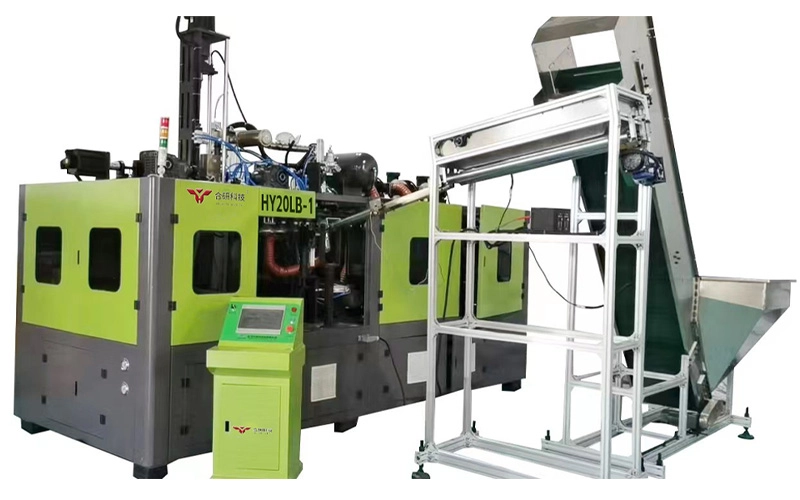
PET bottles are everywhere. You see them with water and soda. They also show up in household cleaners. Yet many makers still face one small but pricey problem. Surface scratches keep coming up. These marks may look tiny. But they can make the bottle less clear. They can also make labels hard to read. And they can weaken the bottle itself. The good news is most issues come from mold and machine design. That means the right engineering choices can stop them.
Common Causes of PET Bottle Surface Damage
PET bottle scratches usually come from a few mechanical and process factors.
- Friction between bottlesduring conveying or packaging ranks as one main cause. Bottles rub each other on fast lines. Small marks then form on the surface.
- Improper mold surface finishor wear over time creates rough spots. These spots leave fine lines when the bottle comes out of the mold.
- Inadequate air pressureor uneven stretching in blow molding can create stress spots. Later these spots show as scuff marks.
These factors often work together. An unpolished mold and poor air control can make surface problems worse across thousands of bottles each hour.
Mold Design Factors That Influence PET Bottle Surface Quality
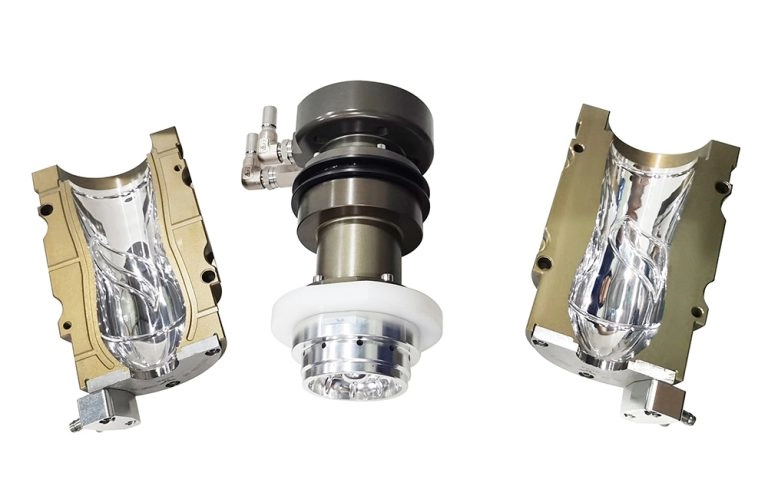
The mold sets both the shape and the surface of every PET bottle. A well made blowing mold gives smooth release and steady clarity. A mold that is not kept up becomes a steady source of defects.
Mold Venting and Cooling System Optimization
Venting plays a quiet but key part in stopping pet bottle scratches. Air trapped between the mold wall and the molten PET can cause uneven texture or burn marks. These marks look like scratches once the bottle cools. Good vent placement lets gases escape without harming the surface flow.
Cooling must stay even too. When some spots cool faster than others stress builds inside. This later shows as visible marks or dull areas. Balanced temperature control across all cavities keeps wall thickness gloss and clarity steady.
Precision in Mold Alignment and Cavity Design
Even small misalignment between mold halves can create shear marks along parting lines. These marks count as a common source of edge scratches. Accurate cavity shape supports even stretching during blowing. Material stress spreads out evenly as a result.
Consistent parting line design helps avoid sharp edges that scrape the fresh surface during ejection. Every small detail counts here. Precise work leads to smoother bottles leaving the line.
 Blow Molding Machine Design Considerations for Scratch Prevention
Molds shape the bottle but machine performance decides how smooth each cycle runs.
Air Flow Control and Pressure Regulation in the Blowing Process
Stable air pressure matters for even expansion inside the preform. Sudden changes create turbulence. This pushes the molten PET against the mold walls in uneven ways and raises friction points that lead to micro scratches.
Preform Heating and Stretching Parameters Adjustment
Infrared heating needs careful setting. Too much heat makes the preform too soft and easy to deform during stretch. Too little heat leads to uneven wall thickness and greater surface tension differences.
Conveyor and Handling System Improvements
After molding comes transfer and this step often brings avoidable pet bottle scratches. Low friction belts made from materials like UHMW-PE cut abrasion as bottles move along the line.
Integrating Mold Design with Machine Performance for Optimal Results
Mold precision alone cannot promise scratch free output if machine settings fall behind. The same holds true the other way. Bringing both systems together forms the base for steady PET production.
Synchronizing Mold Precision with Machine Calibration
Regular calibration lines up mechanical moves with cavity positions. Stretching rods enter centered each time. Real time monitoring tracks shifts in pressure or temperature before defects build over many cycles.
When sensor data feeds straight into control software operators see possible misalignments early. These small issues can cause surface problems long before the marks become visible on finished bottles.
Implementing Preventive Maintenance Programs
Preventive care lengthens mold life and keeps product quality steady.
- Scheduled cleaning removes residue from earlier runs.
- Inspection catches clogged vents or cooling channel issues early.
- Re polishing key areas brings back smooth release that supports clear surfaces.
A steady maintenance plan turns troubleshooting into active quality control. It cuts downtime and keeps every batch looking the same as the standard.
Data-driven Optimization for Continuous Improvement
Modern plants collect lots of process data but often do not use it well for practical gains. By studying scratch patterns across shifts or machines engineers can find root causes tied to specific settings like blow pressure timing or conveyor speed.
Sensor feedback loops allow automatic adjustments during a run. Conditions stay optimal without constant manual work. Over time this learning approach builds a system that corrects itself and reduces defects through steady insight instead of repeated trial fixes.
HEYAN TECHNOLOGY’s Approach to High-quality PET Packaging Solutions
Behind every clean PET bottle lies coordinated engineering work from design to operation. HEYAN TECHNOLOGY follows this integrated approach through its advanced solutions for packaging producers around the world.
Advanced Mold Engineering Expertise
Our custom molds use mirror finish cavities. These cavities cut friction points during release while holding size accuracy over long runs. Precision machining keeps alignment steady even under repeated high heat cycles common in mass production.
This level of care means fewer small defects over time. Brands that want clear presentation on store shelves gain a direct edge.
Integrated Blow Molding System Solutions
HEYAN TECHNOLOGY blow molding machines focus on stability. Controlled airflow paths stop turbulence inside preforms. Precise temperature zones keep heating even. Vibration dampened frames support steady output at high speeds.
Molds and machines work together on the same platform. Each system is set up together rather than alone. The result is smooth surfaces free from visible pet bottle scratches even after millions of cycles per year.
FAQs
Q1: What causes most pet bottle scratches during manufacturing?
They typically arise from friction between bottles on conveyors or rough mold surfaces due to wear or poor polishing quality.
Q2: How does air pressure affect scratch formation?
Unstable blowing pressure increases contact friction inside molds. This leads to localized abrasion marks on bottle walls.
Q3: Can cooling imbalance cause visible defects?
Yes uneven cooling creates internal stress variations. These appear as dull streaks or fine surface lines once bottles solidify.
Q4: What maintenance steps help prevent pet bottle scratches?
Routine cleaning vent inspection cavity re-polishing and calibration checks all keep molds performing smoothly without introducing new flaws.
Q5: Why do some brands invest heavily in anti-scratch technology?
Clear packaging enhances shelf appeal and consumer trust. Minimizing scratches protects both visual quality and brand reputation at the same time.