

Powering the Circular Economy: Blow Molding with Recycled Materials
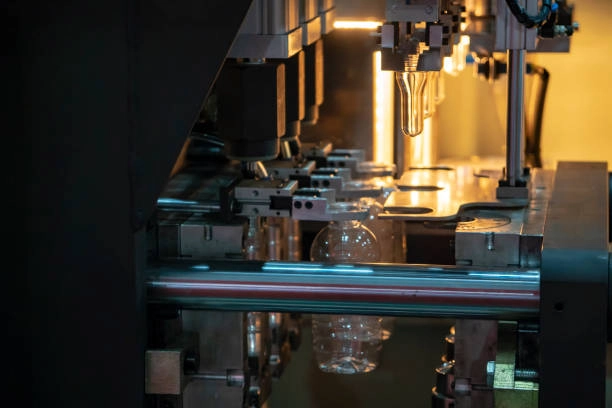
As the world shifts to more eco-friendly making methods, the circular economy has become key—not just an idea, but a must. Plastics making faces close watch because of its big use of resources in the past. Blow molding, a main way to make hollow plastic goods, stands out as a good path to add recycled stuff on a large scale. Yet reaching sustainability means more than just using recycled materials. It involves keeping steady quality, good standards, and solid costs too.
For makers wanting to secure their work for the future, Foshan Heyan Precision Mold Technology Co., Ltd. brings a strong offer. Based in the busy Nanhai District of Foshan City, HEYAN TECHNOLOGY focuses on careful design and building of preform molds, cap molds, and blow molds fit for rotary and linear blowing setups. The firm sticks to the goal of “Pursuing Excellence and Striving for Perfection”, and follows the quality rule of “Better quality and Higher standard”. Their skilled groups, up-to-date tools, and strict checks help customers set up big circular production lines. Check out their full mold options at HEYAN TECHNOLOGY.
The Role of Blow Molding in Circular Manufacturing
Why Blow Molding Matters in Sustainable Production?
If you want to cut down on new material use but keep output strong, blow molding gives both flexibility and speed. This approach works well for making hollow items such as drink bottles, soap holders, and care product packs.
Blow molding plastic manufacturing ranks as one of the top plastic making ways with a long past. It fits circular economy uses best because it works well with reused polymers. Unlike other plastic shaping methods, blow molding makes little waste in the process. And when you add recycled content—either from used goods or factory scraps—you greatly lower harm to the environment. Plus, you do not need to change your whole setup.
Key Differences Between Blow Molding and Injection Molding
Picking between blow molding and injection molding goes beyond the final item. It concerns how each method handles recycled materials. Blow molding shapes hollow forms with air push. Injection molding packs hot plastic into solid shapes.
These ways act differently with reused stock. Recycled plastic often shows changing thickness when melted and heat damage patterns. In injection molding, that leads to gaps or rough spots. But blow molding’s softer pressure setup can handle it better. Still, you must pair the plastic type to what the machine needs. Not every recycled bit acts the same in each tool.
Integrating Recycled Materials into Blow Molding Systems
Types of Recycled Plastics Suitable for Blow Molding
From the various plastic types out there, HDPE (High-Density Polyethylene) and PET (Polyethylene Terephthalate) top the list for reuse in blow molding jobs. These stand out as easy to recycle. They keep solid strength and block qualities even after several rounds.
The origin of the recycled part counts a lot. Resin from used items (PCR) holds more changes in shade and dirt than stuff from factory waste (PIR). This difference hits how the product works—think clear looks, pull strength, or rules for food use.
Processing Steps Before Reuse in Blow Molding
Before recycled plastic gets reused, it goes through key prep steps:
Workers sort plastic trash by type and form to make handling simple. This keeps batches even for the end result. Then comes washing: Blow molded plastics fall into the tough plastic group. They get broken into tiny bits, known as plastic regrind. After that, they need a good clean and dry before turning into pellets.
The last part is pelletizing. It changes the bits into even pellets that slide easy into blow molding machines. This makes extrusion steady. It also stops mistakes like uneven walls.
Technical Challenges in Using Recycled Plastics
Material Degradation Over Recycling Cycles
A top worry with recycled stuff is how the plastic breaks down. Each reheat and rework shortens the tiny chains in it. That cuts down on power, bend, or see-through quality.
To fight this, makers often mix in helpers or chain boosters while making pellets. These fix the strength back near new plastic levels. But picking the right mix relies on your need—say, safe bottles for food or tough holders for work.
Equipment Compatibility with Recycled Feedstock
Old blow molding machines might not deal well with stock that has shifting melt speeds or uneven wet levels. New setups change that.
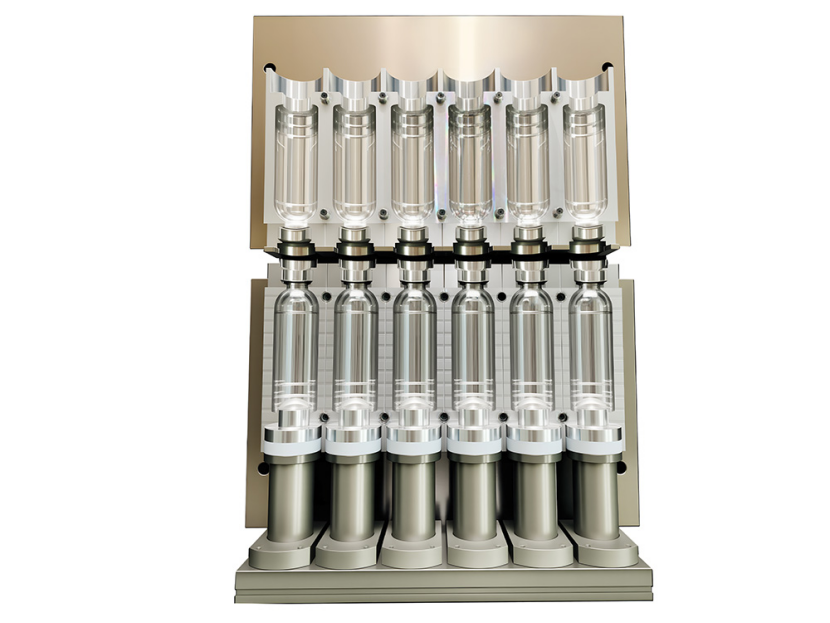
Foshan Heyan Precision Mold Technology Co., Ltd. shows great skill in handling and has a top-notch tech group. Their fresh blowing systems take recycled polymers with few tweaks—be it a rotary bottle blowing mold or a linear bottle blowing mold. Smart hot runner plans, separate heat control per spot, even warm spread, and own cooling all help manage changes. They keep cycle speed and size right without issues.
Economic and Environmental Benefits of Closed-loop Blow Molding
Cost Efficiency Through Material Recovery
Reused resin lowers costs for new material a lot as time goes on. If your plant adds its own recycle setup—turning your waste into pellets—you save on moving emissions and trash fees too.
By reusing scraps from making, and adding recycled parts to output, blow molding makers cut expenses. They stay in the game, and boost their name in business.
Lowering Carbon Footprint with Circular Inputs
When you look at new plastic against recycled:
CO₂ Emissions (kg/ton): ~2,000 for virgin vs ~700 for recycled
Energy Consumption (MJ/ton): ~80,000 vs ~30,000
Water Usage (liters/ton): ~2,500 vs ~1,200
These numbers say a lot if you track your green scores or get ready for rule checks.
Design Considerations for Circular-Compatible Products
Optimizing Product Geometry for Recycling Ease
Choices in design early on shape how easy recycling gets later. A holder with even wall depth shreds and melts smoother than one with mixed parts. Also, skipping blended layers—like PET with foil—cuts the cost of pulling them apart down the road.
Simple builds often mean better reuse chances.
Labeling, Colorants, and Additives That Support Recycling Goals
Stickers or paints that block clean melting can jam filters or make flaws in remaking. Better to pick ones that peel off or leave little behind.
HEYAN TECHNOLOGY suggests recycle-friendly design tips right from the start. It cuts waste trouble and saves money later on.
Collaborative Innovation Across the Supply Chain
How OEMs, Material Suppliers, and Machine Builders Can Align Goals?
Circular work needs teamwork—from plastic providers to mold builders. When you share details on materials between sites, machine tuning gets faster and sharper.
Good talk cuts down guesswork in tests with new recycled batches.
Regulatory Incentives Driving Adoption of Circular Practices
Lawmakers urge brands to use recyclable packs via rules like Extended Producer Responsibility (EPR). These make firms pay for gathering and reusing their goods.
Funds exist for research that boosts circular ways in build or steps. Using them helps shift over quick without stretching funds too far.
Future Outlook: Scaling Circular Blow Molding Systems Globally
Digital Monitoring for Process Optimization with Recyclates
New blow molding setups use watchers more to handle things like melt speed or pressure shifts. These let quick fixes for odd spots in recycled stock.
They spot upkeep needs early, like block risks, to keep work running smooth.
Workforce Readiness for Sustainable Manufacturing Transition
Workers need lessons on recycled stuff—how to manage wet-sensitive bits or spot dirt fast.
Learning skills across machine work and green rules grows key. As world markets raise bars, your crew’s flexibility sets how well you compete.
FAQ
Q1: Can all blow molded products be made from 100% recycled plastic?
A: Not always. Some applications still require virgin content due to food safety or structural integrity requirements.
Q2: What’s the main reason manufacturers hesitate to use recyclates?
A: Quality variability. Inconsistent batches can disrupt product consistency or cause machine downtime.
Q3: Are there certifications required when using recycled plastics?
A: Yes. Especially for food-contact applications or exports governed by standards like FDA or EFSA.
Q4: How does HEYAN TECHNOLOGY support circular economy goals?
A: By offering blowing mold solutions engineered for high recyclate throughput while maintaining precision and speed.
Q5: Is there a trade-off between sustainability and product durability?
A: Not necessarily. With correct formulation and process tuning, recycled-based products can match virgin material performance.


