

Reduce Energy Costs in Blow Molding: 2026 Industry Guide
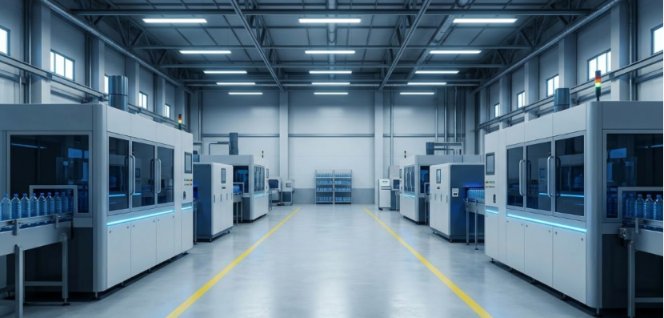
Heading into 2026, profit margins in the packaging sector face serious pressure from fluctuating electricity rates. Maybe you walked the factory floor last Tuesday and noticed the ambient heat coming off the older machines. That heat is literally money escaping into the air. In the fast-paced world of B2B manufacturing, hitting daily production quotas often takes priority over fine-tuning machinery. You look at the monthly utility bill and it just keeps climbing. It is easy to accept high power costs as a fixed expense when running a busy facility. But that mindset hides a major opportunity for reducing manufacturing energy costs. A lot of power goes to waste not because of the product itself but due to outdated hardware setups. A true shift toward energy-efficient blow molding does not require buying an entirely new fleet of host equipment. Often, the smartest move is looking closely at the tooling you already use every day. Upgrading specific components can dramatically cut the electricity needed to produce each unit.
What Are the Hidden Energy Drains in Your Blow Molding Process?
When you examine a typical blow molding process, the heating and cooling stages consume massive amounts of power. Older setups often struggle with poor thermal conductivity. The equipment ends up working harder and running longer just to finish a single cycle. Sometimes a slight misalignment or worn out channel makes the chiller work overtime.
Identifying Heat Loss Areas
Every extra second a machine runs adds up to huge utility bills over a year. A machine sitting warm while you wait for a slow cooling cycle is just burning overhead. Sometimes managers focus too much on resin prices and completely miss how much money vanishes right at the machine level due to inefficient tooling. You might see operators constantly adjusting the temperature settings manually because the old mold cannot hold a steady heat. That constant fluctuation draws peak power over and over again.
How Can Intelligent Cooling Systems Lower Your Bills?
Getting the temperature right is everything. If the cooling phase takes too long, your production drags and energy consumption spikes. Modern blow mold cooling systems tackle this problem directly. You do not want the chiller fighting against the heater.
The Role of Independent Temperature Control
Advanced setups feature an advanced and reasonable hot runner design. This design provides independent temperature control for each cavity. You get uniform heating temperature and an independent cooling system. When you have dedicated cooling for each section, the equipment does not have to overcompensate. This precise control directly leads to a short products cycle time. Faster cycles mean the machine uses less power per unit. It is a straightforward physical reality. You get more output in the exact same shift without a proportional jump in your electricity usage. These features are highly suitable for drinking bottled water, beverage, edible oil, daily chemical, medicine, and food packaging applications.
Can You Scale Efficiency With High-Precision Multi-Cavity Molds?
Producing more items in a single shot is a proven way to dilute your energy expenses. If your equipment can handle it, moving to a multi-cavity injection mold changes the math entirely. You are essentially getting more product for the same mechanical effort.
Maximizing Output per Cycle
Quality suppliers now build various types of needle valve hot runner preform mold setups, ranging from 1 cavity to 144 cavities. These sets bring high precision and stable operation. When the overall structure design is reasonable, the equipment runs smoothly without those constant energy draining micro stops. It brings down the cost noticeably. Producing 72 or 144 preforms in one smooth cycle uses electricity far more effectively than running multiple smaller setups. You pay the same base energy rate to run the machine, but you yield a much higher volume of finished goods.
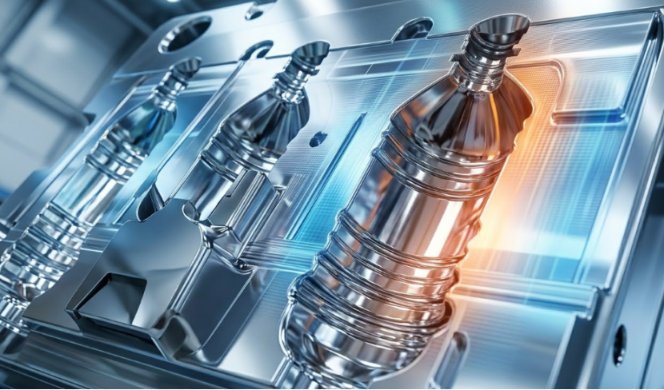
Why Does Smart Mold Design Reduce Machine Idle Time?
A machine that sits idle while technicians struggle to replace a broken part is a massive financial drain. Idle machines often still draw power to stay warm or keep auxiliary systems running. Minimizing this downtime is crucial for keeping energy waste low. You might remember a time when a simple worn part halted the entire line for six hours.
Modular Parts for Quick Fixes
This is where smart engineering comes into play. High-quality molds feature main molded parts that are independent inserts. Because these parts are modular, they are convenient for replacement and maintenance. Instead of taking the whole block offline for a lengthy repair, technicians can quickly swap the specific insert. You get the line back up and running fast. Less time tinkering means higher overall factory efficiency. Power is only used when actual products are coming off the conveyor belt.
Can You Upgrade Molds on Existing Lines Seamlessly?
You might worry that bringing in advanced tooling requires a total factory overhaul. Thankfully, that is not the case. Modern tooling is highly adaptable and fits right into existing factory floors without massive disruptions. You can start seeing energy savings almost immediately after installation.
Matching New Tools to Old Equipment
For example, Foshan Heyan Precision Mold Technology Co., Ltd. is located in Shishan Town, Nanhai District, Foshan City, Guangdong Province. As a high-tech enterprise, it integrates R&D, engineering, production and sales into one. Relying on more than 15 years of production experience and over 5,000 square meters of factory space, this precision mold manufacturing provider delivers exceptional results. A strong technical team of more than 80 corporate talents utilizes advanced processing equipment to maintain product quality. You do not need to replace your entire host equipment because their bottle blowing mold is matched with all types of world leading brands of high-speed rotary and linear blowing machine platforms. They provide customers with all-round mold solutions covering different types of products and product upgrading. The tooling is applicable in various fields such as fruit juice drinks, tea drinks, functional drinks, carbonated drinks, dairy drinks, condiment, daily chemical, food packaging containers, and pharmaceuticals. Furthermore, experts conduct a thorough and professional assessment of the customer’s situation and recommend the most suitable product for you based on your needs. You receive one-stop services such as product usage training and maintenance , backed by a nationwide joint warranty period of 12 months. Customers will receive customized solutions covering host equipment, process applications, automation, auxiliary equipment, intelligent services, and production environments.
FAQ
Q1: What is the fastest way to cut power use in plastic packaging?
A: Upgrading to tooling with an independent cooling system is highly effective. It creates a short products cycle time, meaning you use significantly less power per unit produced.
Q2: Do you have to replace old machinery to use new molds?
A: Not usually. Quality bottle blowing molds match perfectly with all types of world leading brands of high-speed rotary and linear blowing machine platforms.
Q3: How does cavity count affect electricity bills?
A: A high-precision multi-cavity injection mold lets you make many more parts in one machine cycle. Ranging from 1 cavity to 144 cavities, a needle valve hot runner preform mold drops the energy cost per part dramatically.
Q4: Why is easy maintenance important for energy savings?
A: When main molded parts are independent inserts, they are convenient for replacement and maintenance. This stops machines from sitting idle and wasting background power while waiting for long repairs.
Q5: What kind of support can you expect from top suppliers?
A: A good supplier acts as a whole line solution. Customers will receive customized solutions covering host equipment, process applications, automation, auxiliary equipment, intelligent services, and production environments.


