

Cap Mold Design for Edible Oil Bottles: Leak Prevention and Grip Performance
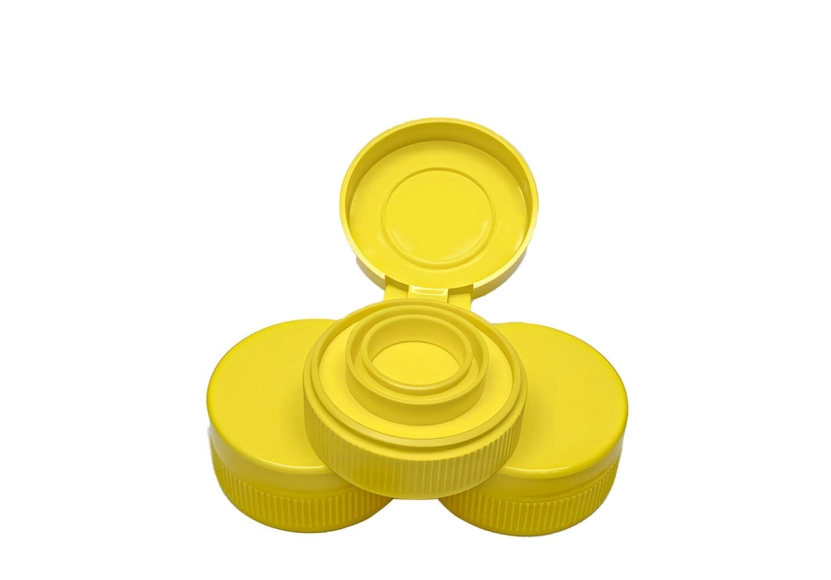
Critical Engineering Factors in Edible Oil Cap Mold Design
Designing a cap mold for edible oil isn’t just about making a plastic lid; it is about managing fluid dynamics and polymer behavior under stress. If the mold isn’t engineered to account for the specific viscosity of vegetable oils, the entire production line becomes a liability.
Precision Tolerance and Material Selection
Balancing cooling channels to prevent thermal deformation during high-speed injection cycles is the difference between a cap that fits and one that leaks. If one side of the mold stays five degrees hotter than the other, the cap will warp—even if it’s by a few microns. That warp is enough to break the airtight seal. Selecting the right HDPE or PP grades to achieve the ideal balance between rigidity and flexibility is also vital. You need the cap to be stiff enough to hold its shape under the weight of stacked pallets, yet flexible enough for the tamper-evident band to stretch over the bottle neck during assembly.
Solving the Leakage Challenge: Beyond the Sealing Ring
Leakage is the ultimate failure in this industry. It ruins labels, attracts pests, and destroys consumer trust. Most people look at the sealing ring, but the real work happens in the geometry of the plug.
The Science of Plug Seal and Linerless Geometry
Designing the “olive” or “J-shape” plug seal to maintain airtight integrity under varying storage temperatures is a fascinating exercise in physics. When the oil heats up in a shipping container, the air inside the bottle expands. An “olive” shaped seal uses that internal pressure to actually press harder against the bottle neck, creating a self-sealing effect.
How mold cavity precision prevents oil seepage through micro-gaps in the thread engagement is often overlooked. If the mold is off by even a hair, the oil will find its way up the threads through capillary action. Engineering the interference fit between the bottle neck and the cap skirt to handle internal pressure changes ensures that even if the bottle is squeezed, the oil stays inside.
Why Thread Consistency is Non-Negotiable
Analyzing the impact of pitch and lead accuracy on the final torque application is critical for automated lines. If the thread pitch varies across different cavities of the cap mold, the capping machine will either under-tighten some caps or strip the threads on others. Preventing “back-off” issues during transportation through optimized thread profiles is also a major concern. We’ve seen cases where road vibrations caused caps to literally unscrew themselves because the thread angle was too steep.
Enhancing User Experience Through Grip and Ergonomics
A cap can be perfectly sealed, but if a consumer needs a pair of pliers to open their sunflower oil, the design has failed.
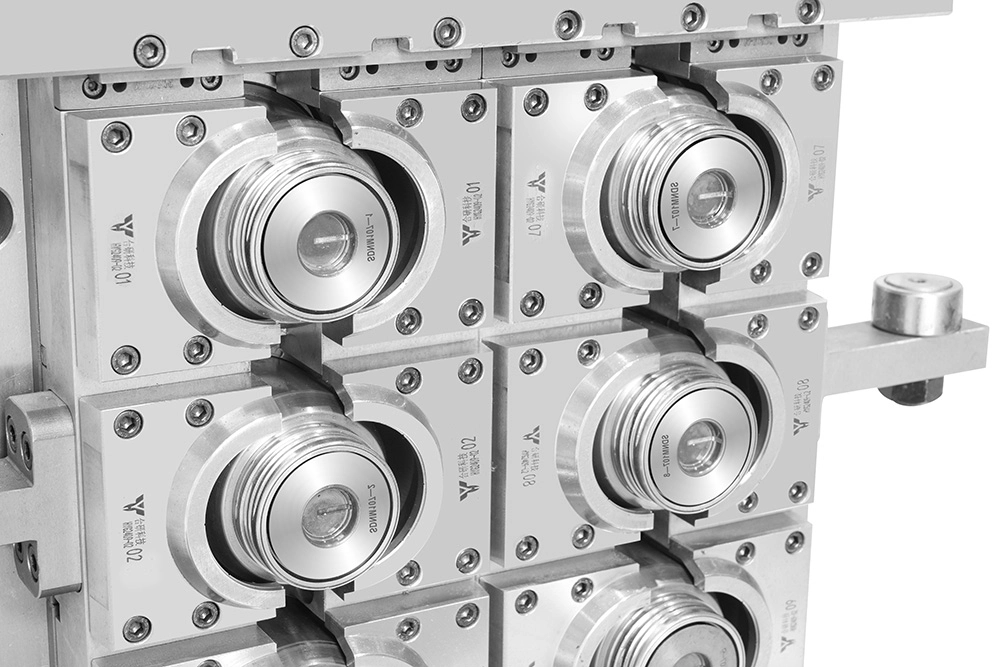
Knurling Patterns and Mold Release Mechanics
Evaluating diamond vs. vertical rib patterns for oily environments where hand-slip is common is a standard part of our design phase. Diamond patterns generally offer better grip when fingers are greasy, but they are harder to eject from the mold. The relationship between knurling depth and the ease of mold ejection to avoid scuffing is a delicate balance. If the ribs are too deep, the stripping plate might mar the plastic during the push-out phase.
Designing the outer diameter to accommodate both manual opening and automated capping machine grippers is another layer of complexity. The cap needs to be “machine-friendly” for the factory but “human-friendly” for the kitchen.
How Do We Ensure Tamper Evidence Without Sacrificing Ease of Opening?
The tamper-evident (TE) band is often the most fragile part of the mold. Engineering the “bridges” on the tamper-evident band to break cleanly without excessive force is a game of thickness. If they are too thick, the consumer gets frustrated; too thin, and they break during the initial capping process.
Optimizing the undercut geometry in the mold to ensure the band stays on the bottle after opening requires precise CNC machining. You want that “click” sound when the bottle is first opened—it’s a psychological signal of safety to the user. Balancing the wall thickness of the tear-off strip to prevent accidental breakage during the capping process is the final hurdle in TE design.
Optimizing Production Efficiency for High-Volume Packaging
In high-volume packaging, seconds are money. If you can shave 0.5 seconds off a cycle, you save thousands of dollars a month.
Multi-Cavity Balance and Cycle Time Reduction
Utilizing hot runner systems to eliminate waste and maintain consistent melt temperature across all cavities is the industry standard now. It ensures that the first cavity and the thirty-second cavity produce identical caps. Implementing specialized coating treatments on mold components to reduce friction and wear also helps in speeding up the ejection process.
Maintenance Protocols for Long-Term Precision
Identifying wear points in the stripping plate and core components is part of the daily grind. We look for “flash”—that tiny bit of extra plastic—as a sign that the mold halves aren’t meeting perfectly anymore. Strategies for quick-change inserts to accommodate different branding or ribbing styles without full mold disassembly allow manufacturers to be flexible without losing a week of production time.
The Future of Edible Oil Closures: Lightweighting vs. Performance
The industry is moving toward sustainability, but oil is a heavy, messy product that demands performance.
Reducing plastic consumption through thin-wall molding techniques without compromising the seal is the current “holy grail.” We are trying to use less material while maintaining the same structural integrity. Adapting mold designs for bio-based resins and PCR (Post-Consumer Recycled) materials presents new challenges, as these materials often shrink differently than virgin plastic.
Finally, the shift toward tethered cap designs to meet evolving environmental regulations in global markets is changing how we think about the hinge and the connection point. The cap mold of the future will have to produce a cap that never leaves its bottle.
Contact HEYAN TECHNOLOGY today to discuss your edible oil packaging project and discover how precision mold design can improve product safety, production efficiency, and consumer experience.
FAQ
Q: Why do edible oil caps often use HDPE instead of other plastics?
A: HDPE provides an excellent moisture barrier and is resistant to the fatty acids found in oils. It also has the right amount of “give” to create a linerless seal against the bottle neck.
Q: How does a “linerless” cap work without a foam insert?
A: It relies on an engineered plastic “fin” or plug inside the cap that is slightly larger than the bottle opening. This creates an interference fit that blocks liquid and air.
Q: What is the most common cause of a cap mold failing?
A: Usually, it’s a failure in the cooling system. If the cooling is uneven, the caps warp, and warped caps lead to leaks on the filling line.
Q: Can one cap mold produce different colors?
A: Yes, as long as the base resin is the same. You just change the masterbatch (colorant), though you have to purge the system thoroughly to avoid streaks.