

Injection Molding of Paint Buckets: How to Solve Bucket Mouth Deformation and Poor Sealing?
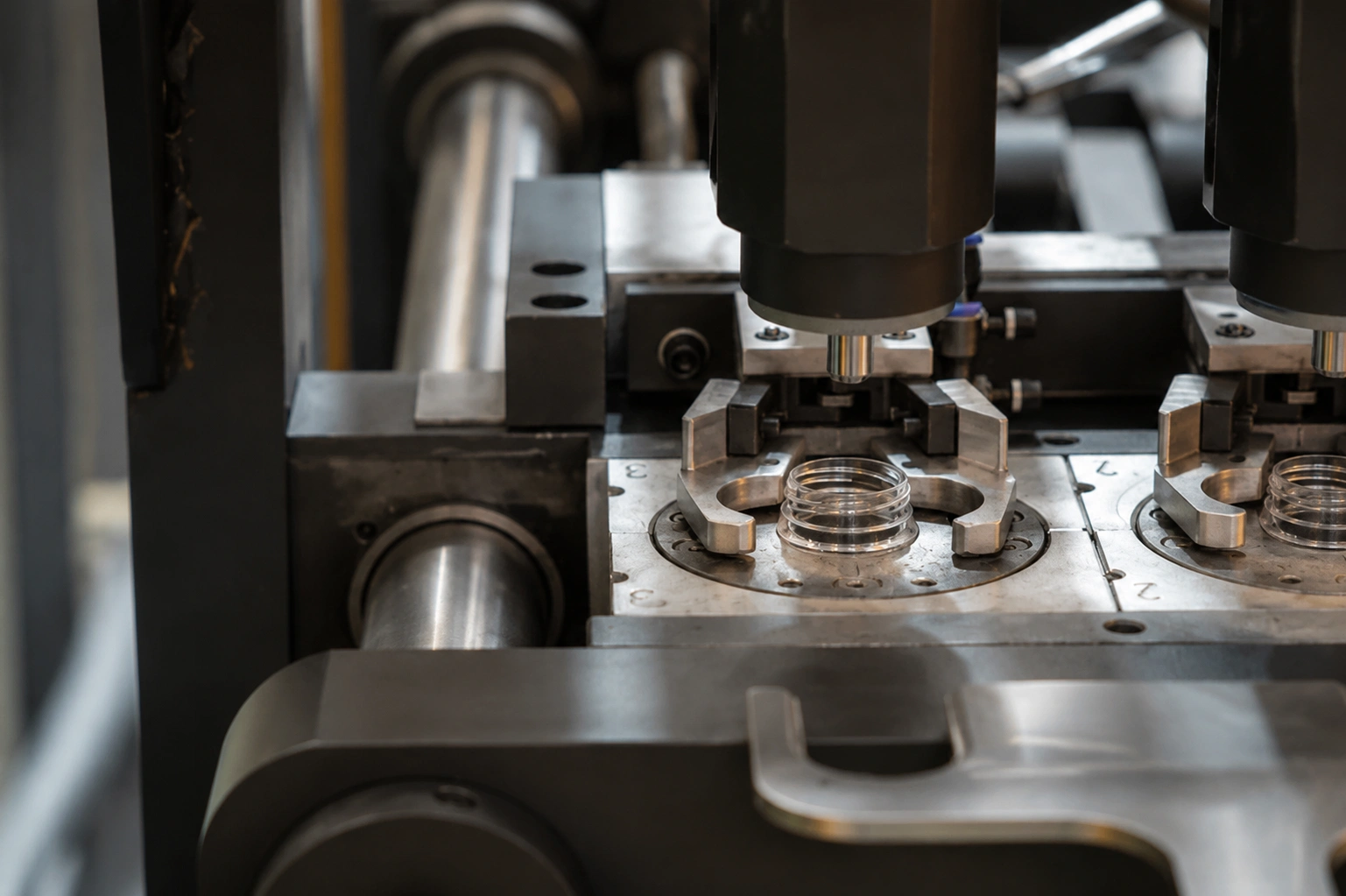
Causes of Bucket Mouth Deformation
Deformation at the mouth of a paint bucket is rarely the result of a single error. It is usually a cumulative failure of thermal management and mechanical timing. When a bucket comes out oval or warped, the sealing integrity is already compromised before it even hits the assembly line.
Thermal Stress and Cooling Inconsistency
Uneven cooling rates between the thick rim and thin walls lead to internal stress. The rim or “mouth” of a paint bucket is designed to be much thicker than the side walls to support the lid and provide structural rigidity.
However, this thickness means it retains heat longer. Residual heat in the mouth area causes post molding shrinkage and ovality. If the center of the rim is still molten while the outer skin has frozen, the resulting “tug of war” inside the plastic pulls the circle into an ellipse. Furthermore, thermal conductivity differences in mold steel affect heat dissipation efficiency.
Using standard P20 steel throughout might be cheaper, but it creates “hot spots” at the rim that refuse to cool at the same rate as the rest of the part.
Mechanical Factors During Ejection
Mechanical issues often compound thermal ones. Excessive ejection force applied before the plastic has fully solidified distorts the rim shape. It is a common sight: a cycle time that is too aggressive, pushing the ejector plate forward while the bucket mouth is still “soft.” Improper placement of ejector pins creates localized pressure points on the bucket mouth, leaving visible marks or slight bends.
Another overlooked factor is vacuum pressure. High vacuum pressure during demolding can pull the mouth inward. As the core retreats, if there is no air poppet valve to break the seal, the atmospheric pressure literally crushes the top of the bucket as it tries to stay stuck to the injection mold.
Why Does Poor Sealing Occur in Injection Molded Paint Buckets?
Sealing is a game of tolerances. If the mouth is deformed, the lid cannot sit flush, but even a perfectly round bucket can leak if the groove geometry is off.
Dimensional Deviations in the Sealing Groove
Variations in wall thickness lead to irregular shrinkage, preventing a flush fit with the lid. If the “U” or “V” shaped groove at the top of the bucket shrinks more on one side than the other, the gasket in the lid won’t compress evenly. Inadequate holding pressure results in “sink marks” on critical sealing surfaces. These tiny depressions are paths for liquid to escape.
Also, flash or burrs at the parting line interfere with the gasket seating. Even a few microns of extra plastic at the mold split can prevent a liquid tight seal.
Material Selection and Shrinkage Rates
The choice of resin is fundamental to the high quality injection mould process. High density polyethylene (HDPE) or Polypropylene (PP) grades with inconsistent flow rates impact final dimensions. Some batches flow faster, packing the rim more tightly than others. Then there is the issue of sustainability.
The influence of recycled material content on the structural integrity of the sealing lip is significant. Recycled plastic often has a wider molecular weight distribution, making shrinkage unpredictable. This unpredictability is the enemy of a precision seal.
Engineering Solutions for Precision Rim Geometry
Fixing these issues requires a move toward more sophisticated injection molding systems that prioritize thermal balance.
Optimizing the Cooling System Design
The most effective way to kill deformation is to cool the rim faster. Implementing conformal cooling or high efficiency beryllium copper inserts in the mouth area is a game changer. Beryllium copper pulls heat away from the plastic much faster than steel.
The features of advanced and reasonable hot runner design, independent temperature control for each cavity, uniform heating temperature and independent cooling system, shorten the production cycle of products. Balancing water circuit temperatures to ensure the bucket top cools at the same rate as the base prevents the “banana effect” where the part bows. Adjusting cooling time cycles to ensure structural rigidity before the mold opens is the final, albeit most painful, step for production managers who want speed over quality.
Refining Injection Parameters
One should never use a single injection speed for a complex part like a bucket. Utilizing multi-stage injection speeds to control the flow front as it reaches the rim allows the air to escape and the plastic to pack gently. Precise calibration of holding pressure and time to compensate for material contraction without over packing is essential. Over packing the mouth creates high internal stress, which leads to cracking or warping weeks after the bucket has left the factory.
How Can Mold Design Enhance Sealing Performance?
A well designed injection mold should account for the physical realities of plastic behavior.
Advanced Parting Line Management
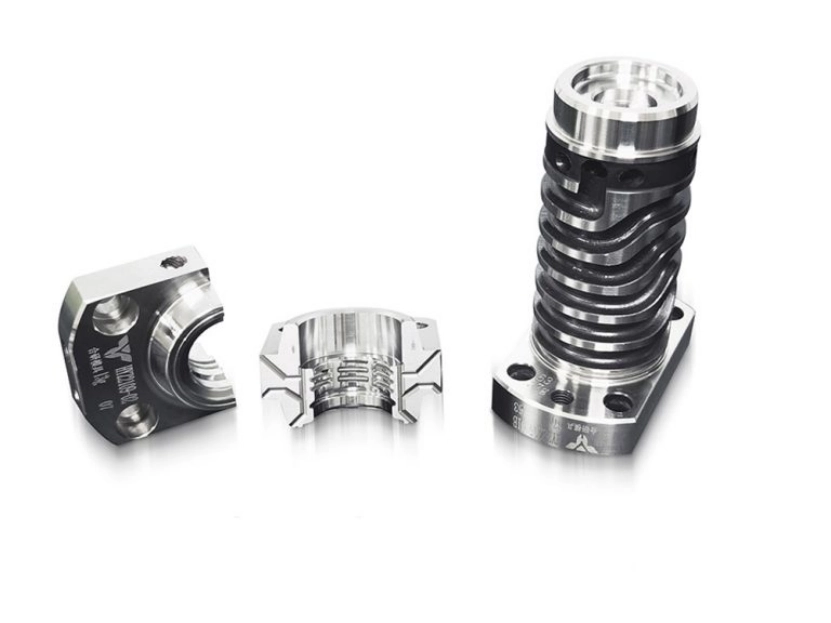
Precision CNC machining of the mold core and cavity to minimize parting line visibility is the first line of defense against leaks. The main molded parts are independent inserts, which are convenient for replacement and maintenance. This modularity allows for tighter tolerances at the lip. Strategic venting placement to prevent air traps that cause incomplete filling at the bucket lip is also vital. If air is trapped in the sealing groove, the plastic cannot fill it, leaving a “short shot” that will never seal.
Ensuring Concentricity and Roundness
Using high precision guiding components to maintain alignment between the core and cavity is non-negotiable. If the core shifts by even 0.1mm, one side of the bucket wall becomes thinner, leading to uneven shrinkage and ovality. Implementing taper locks to prevent mold shifting during high pressure injection cycles ensures that the concentricity of the mouth is maintained throughout the entire run.
Integrating Systems for Consistent Quality Control
Quality is not an accident; it is the result of stable injection molding systems. HEYAN TECHNOLOGY has been adhering to the goal of quality innovation for many years, always adhering to the purpose of survival based on quality, and walking out a path of active progress, stable and rapid development.
The importance of stable injection molding systems in maintaining batch to batch repeatability cannot be overstated. Real time monitoring of melt temperature and hydraulic pressure to catch deviations early allows operators to scrap a few parts rather than an entire day’s production.
Selecting high quality mold bases that resist deformation under long term production stress is the foundation of this stability. Contact us today to optimize your bucket mold design, improve production reliability, and build a more efficient packaging line from mold to finished product.
FAQ
Q: Why does my paint bucket mouth become oval after two days of storage?
A: This is usually due to residual thermal stress. The rim was likely still too hot when ejected, and as it continued to cool outside the mold, the internal stresses pulled it out of round. Improving cooling at the rim is the primary fix.
Q: Can I use recycled PP for paint buckets without affecting the seal?
A: It is possible, but risky. Recycled materials have inconsistent shrinkage rates. If you use them, you must have a very robust injection mold design with excellent cooling and precise pressure control to compensate for the material’s variability.
Q: What is the benefit of using beryllium copper in the bucket mold?
A: Beryllium copper has much higher thermal conductivity than steel. It allows you to pull heat out of the thick bucket mouth much faster, reducing cycle times and preventing the deformation caused by “hot spots.”
Q: How do I stop the bucket from sticking to the core during ejection?
A: Ensure your mold has proper air poppet valves. These break the vacuum that forms between the bucket and the core, allowing the part to be pushed off by the ejector pins without being pulled inward or distorted.