
Servo vs. Hydraulic Injection Molding: Key Comparison of Energy Efficiency
Understanding the Core Mechanics: How Servo and Hydraulic Systems Differ
The choice between servo driven and traditional hydraulic injection molding systems often boils down to how the motor handles the idle moments of a cycle. Traditional hydraulic machines utilize constant speed motors that run continuously, regardless of the cycle stage. This means the motor is spinning at full tilt even when the machine is just waiting for a part to cool. It is like leaving a car engine revving at a red light; the energy is being spent, but the vehicle is not moving.
In contrast, servo driven systems employ permanent magnet motors that adjust speed and torque in real time based on demand. This is the “smart” way to move oil. Instead of a fixed displacement pump dumping excess flow back to the tank, the servo motor only rotates as much as necessary to achieve the required pressure or flow. The fundamental shift from “always on” to “on demand” power delivery defines the energy gap. When the machine needs 100% flow for a fast injection, the motor provides it. When it needs 0% flow during cooling, the motor simply stops.
Why Energy Efficiency Matters in High Volume PET Preform Production
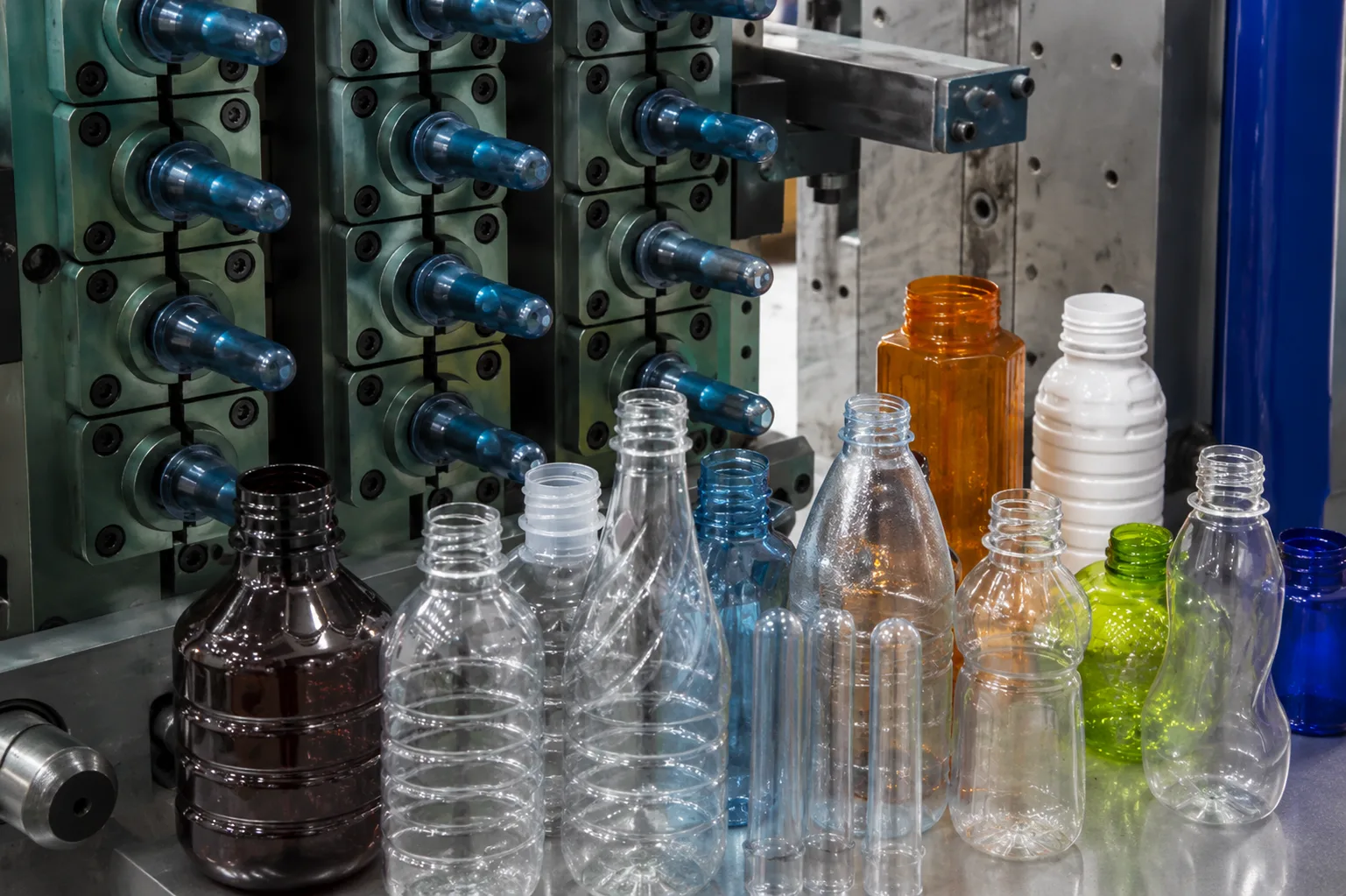
In the world of high speed injection molding, energy is not just a line item; it is a massive part of the overhead. High speed injection molding for bottle preforms requires immense power for clamping and plasticizing. When running a 72 cavity or 144 cavity mold, the forces involved are staggering. Supply various types of needle valve hot runner preform mold, ranging from 1 cavity to 144 cavities. At this scale, even a 10% difference in motor efficiency translates into thousands of dollars over a year.
Electricity costs represent a significant percentage of the total cost of ownership (TCO) for packaging manufacturers. It is a thin margin business. Furthermore, reducing carbon footprints is becoming a requirement for global beverage brand supply chains. If a supplier cannot prove they are using energy efficient injection molding systems, they might lose contracts with major eco-conscious brands.
Comparing Energy Consumption Across the Injection Cycle
To really see where the money goes, one has to look at the idle phases. Most of an injection cycle is actually spent waiting for plastic to solidify.
The Advantage During Cooling and Idling
In a standard setup, hydraulic pumps often bypass oil during cooling, wasting energy as heat. That heat then needs to be removed by a chiller, which costs even more electricity. It is a double loss. Servo motors stop completely during the cooling phase, leading to near zero energy consumption. This is the biggest “win” for the servo side. Depending on the part thickness, idle time energy savings can reach up to 80% compared to conventional hydraulic setups.
Power Peaks During Injection and Clamping
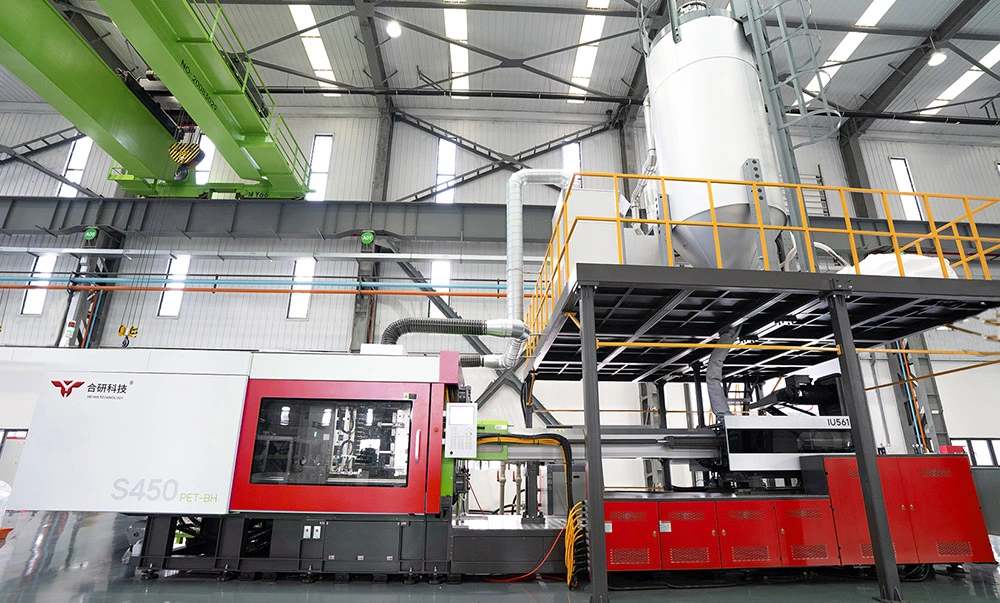
During the actual movement, the servo still holds an edge. Servo systems provide high torque at low speeds, optimizing power usage during the holding pressure stage. Hydraulic systems require relief valves to manage excess pressure, which generates heat and necessitates additional cooling energy. The servo motor simply slows down to the exact RPM needed to maintain the hold, using a fraction of the power.
Does a Servo System Always Outperform Hydraulic Alternatives?
It is tempting to say servo is always better, but engineering is rarely that simple. Assessing the impact of cycle times: Extremely fast cycles may narrow the energy savings gap between the two technologies. If the machine is moving 90% of the time—say, in a 3 second cycle—the servo motor never really gets a chance to rest. In these specialized cases, the “always on” nature of a hydraulic pump isn’t as wasteful because the demand is constant.
The role of hydraulic accumulators in specialized high speed thin wall molding is also critical. Sometimes you need a massive “punch” of oil faster than any motor can ramp up. In these ultra high speed injection molding systems, a hybrid approach is often best. Maintenance considerations: How servo systems reduce oil cooling requirements and extend oil life. Because the oil isn’t being constantly sheared through relief valves, it stays cooler and lasts much longer, which is a hidden cost saving often overlooked.
Integrating Modern Systems with High Precision Molds
The machine is only half the story; the injection mold is the other. A poorly designed mold will kill the efficiency of the best servo motor.
How Mold Design Influences Machine Energy Load
High quality PET preform molds with optimized cooling channels reduce the overall cycle time. The features of advanced and reasonable hot runner design, independent temperature control for each cavity, uniform heating temperature and independent cooling system, shorten the production cycle of products. When the mold cools the plastic faster, the whole system resets sooner. Lower cycle times mean the machine spends more time in energy saving modes.
Balanced hot runner systems ensure consistent melt temperature, preventing the motor from overworking to compensate for viscosity changes. Depending on our technical advantages and practical experiences over years, combined with advanced technology, R&D capability at home and abroad, the complete set of high quality injection mold has been produced, which has the advantages of reasonable overall structure design, high precision, stable operation, short products cycle time and low cost. If the heat is uneven, the motor has to push harder to force the “stiff” plastic into the cavities, wasting energy.
What is the Actual Return on Investment for a Servo Upgrade?
Calculating the payback period based on local kilowatt hour rates and production volume is the first step for any plant manager. In regions with high electricity costs, a servo machine can pay for its premium in less than two years. Beyond energy: The added benefits of repeatability, noise reduction, and precision in bottle cap and preform molding are significant. A servo motor is inherently more precise in its positioning than a standard valve controlled hydraulic ram.
HEYAN TECHNOLOGY prioritizes providing energy-optimized system integration for turnkey packaging production lines. Customers will receive customized solutions covering host equipment, process applications, automation, auxiliary equipment, intelligent services, production environments, and more. By looking at the whole line, from the cap mold to the blowing system, the total energy footprint can be managed.
FAQ
Q: Can I retrofit my old hydraulic machine with a servo system?
A: Yes, many older machines can be fitted with servo pump kits. It usually involves replacing the motor and the pump and adding a drive controller. The savings are often immediate.
Q: Does a servo machine require more maintenance?
A: Actually, it is often less. Since the oil stays cooler, seals and hoses last longer. The electronics are the main focus, but modern industrial drives are very robust.
Q: Is servo technology suitable for 24/7 high volume production?
A: Absolutely. HEYAN TECHNOLOGY has strong and professional engineering, R&D, technical and sales elite teams that specifically design these systems for heavy duty, continuous operation in the packaging industry.

