

How to Choose a Cap Mold for Beverage Packaging Production
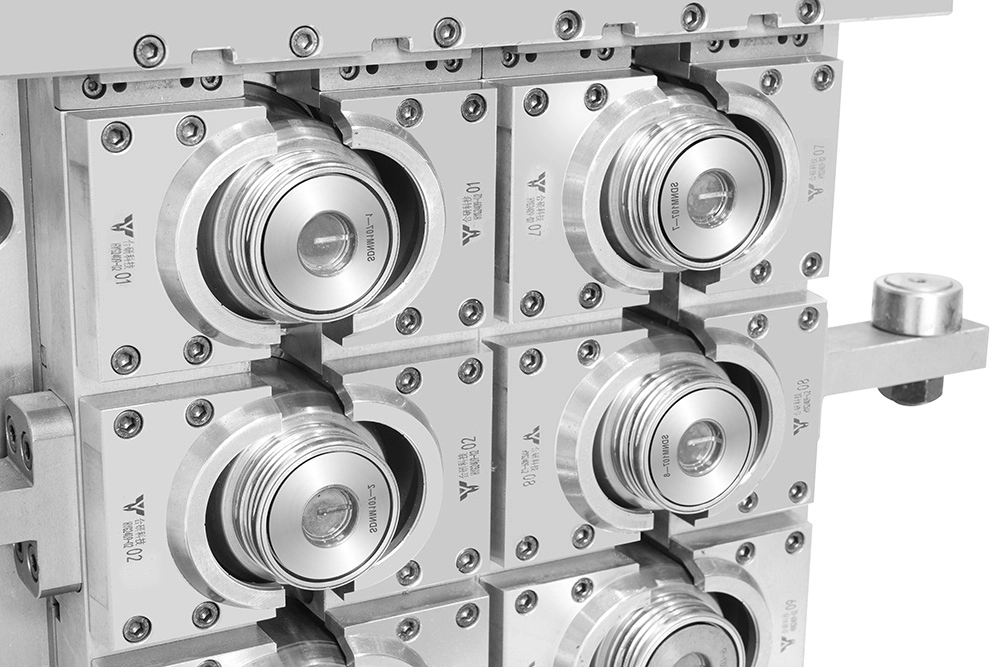
Picking the proper cap mold stands as one of those low-key choices that subtly decides if a beverage packaging setup operates without hitches or faces disruptions. The mold goes beyond forming plastic—it influences output, speed, and reliability. If you’re a manufacturer trying to juggle quality and expense, knowing how to select a cap mold might separate a perfect seal from an expensive product pullback.
What a Cap Mold Is and Why It Matters
A cap mold sets the shape, screw details, and sealing area for each bottle cap. The way it’s built controls how snugly the lid sits on the bottle top and how solidly it holds back pressure. On top of that, it sways production pace, resin use, and the way people view the product’s quality as they twist open their drink.
Suitable for drinking bottled water, beverage, edible oil, daily chemical, medicine, food, etc. A solid mold design delivers even heat levels and a separate cooling setup. These elements cut down the time needed to make each item. Pair it right with your filling equipment and bottle shapes, and you get no leaks plus steady twisting force when applying caps.
Common Types of Cap Molds Used in Beverage Production
Various work settings demand specific molding methods:
- Compression moldssuit fast-paced lines that need quick turnaround times.
- Injection moldsshine in exacting jobs or setups needing fine features like safety rings.
- Multi-cavity moldslet manufacturers ramp up output smoothly without losing evenness in the pieces.
Supply various types of needle valve hot runner preform mold, ranging from 1 cavity to 144 cavities. Such options help firms align their making power with market needs. They keep steady standards in every slot.
Key Factors to Consider When Choosing a Cap Mold
Selecting the best mold means weighing substances, layout sharpness, and workflow smoothness. Every element ties straight into how the product works and saves money down the line.
Material Compatibility and Performance
Cap molds need to match the traits of the plastics used—often polypropylene (PP) or high-density polyethylene (HDPE). These plastics react in unique ways to warmth and force. So, running a mold flow check proves vital to foresee any shrinking or bending.
Manufacturers should ensure that all materials meet food-grade safety standards. The features of advanced and reasonable hot runner design, independent temperature control for each cavity, uniform heating temperature and independent cooling system help maintain material integrity throughout production.
Mold Design and Precision Requirements
Exactness shapes how dependably lids close off bottles. Tiny shifts in side thickness might lead to leak problems or irregular twisting effort. Today’s CNC tools create very close fits that cut down on extra plastic buildup near split lines. That buildup would otherwise hike up cleanup expenses later.
To boost both lightness and toughness:
- Maintain uniform wall thickness.
- Use structural ribs strategically instead of thicker sections.
- Apply polishing where necessary to improve demolding efficiency.
The main molded parts are independent inserts, which are convenient for replacement and maintenance. This modular approach simplifies servicing while preserving dimensional accuracy over long production runs.
Production Efficiency and Cycle Time
The length of each cycle hits profits head-on. Trimming just a couple of seconds from it could mean thousands more caps turned out each day. Strong cooling setups matter a lot in this spot. They control how fast the items harden up before popping out.
You’ll find automation fit counts too. Robots grab pieces quicker than hands do, and they lower the chance of dirt getting in. Pair brief cycles with steady running, and you end up with cheaper costs for every piece made.
Evaluating Mold Quality and Durability
How long a mold lasts shapes the true expense of owning it more than the upfront tag. A budget mold that breaks down fast usually racks up bigger losses from idle time than a top-shelf version made of sturdy steel.
Importance of Steel Grade and Surface Treatment
Which steel you pick sways its toughness, rust-proofing, and heat flow. High-quality steel improves mold life and reduces maintenance needs. Treatments such as nitriding or chrome plating further enhance wear resistance when processing abrasive materials or operating in humid conditions.
Surface finish also plays a role: polished cavities produce smoother caps that require less trimming or finishing downstream.
Maintenance, Repair, and Replacement Considerations
Preventive checkups help every line stay on track. Routine checks stop minor glitches from turning into full shutdowns. Easy-to-replace components simplify long-term servicing. When choosing suppliers, prioritize those offering spare parts availability and responsive technical support — these factors minimize downtime during repairs.
Customization Options for Beverage Cap Molds
Tailoring turns basic tools into tools that build your brand. It adds visual touches or practical upgrades fitted to your exact aims in the market.
Tailoring Mold Design to Brand Requirements
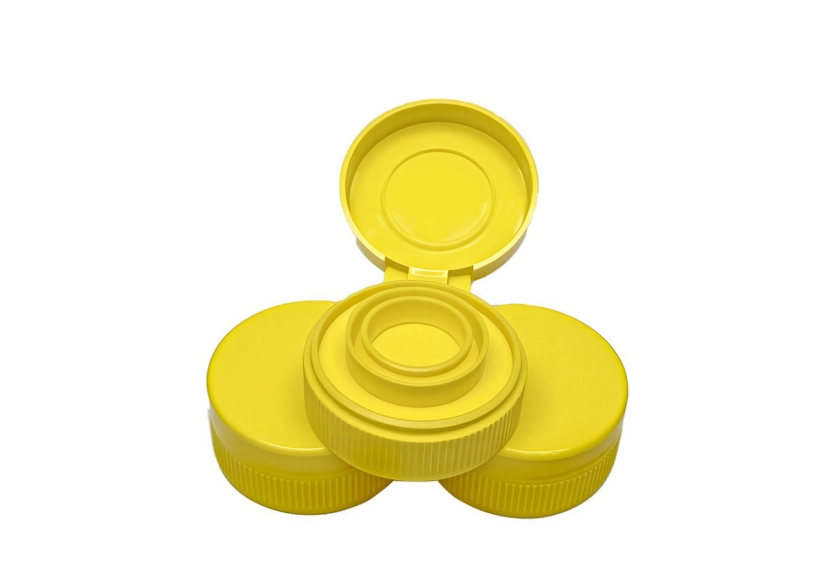
Raised logos or carved designs on lids boost your brand’s visibility with little extra spend. Adding colors sets your items apart on busy store racks. Plenty of brands choose grip-friendly changes, such as pull tabs that make opening easier. These don’t mess with how well the seal holds.
Changes like these call for tight teamwork between your design crew and the mold experts. They make sure everything fits the physical limits.
Adjusting Cavity Numbers for Production Needs
Manufacturers often start with single-cavity molds during pilot phases before scaling up. As demand grows:
|
Production Phase |
Recommended Mold Type |
Typical Cavities |
|
Testing & Prototyping |
Single-Cavity Injection |
1 |
|
Mid-scale Production |
Multi-Cavity Injection |
8–32 |
|
High-volume Manufacturing |
Hot Runner Multi-Cavity |
48–144 |
This staged approach helps balance investment against projected output while maintaining consistent product geometry across expansions.
Working with a Professional Mold Manufacturer
Teaming up with a seasoned provider delivers solid tech backing plus easier oversight of your project from idea to ongoing help.
Benefits of Partnering with an Experienced Supplier like HEYAN TECHNOLOGY
HEYAN TECHNOLOGY is a high-tech enterprise, which integrating R&D, engineering, production and sales into one. The main business scope is preform mold, bottle blowing mold, cap mold and other products. Our integrated capabilities mean clients receive end-to-end support — from initial CAD modeling through testing on actual filling lines. The products quality is ensured by our advanced processing equipment, rich projects experiences, perfect machining technology, the latest mold technology.
This full-service model simplifies coordination between design teams and factory engineers while ensuring each tool meets both mechanical precision standards and hygiene requirements typical in beverage applications.
Questions to Ask Before Finalizing Your Mold Supplier
Before committing to any manufacturer:
- What is the expected lead time for delivery?
- How will testing be conducted before shipment?
- What post-installation services are included?
Also verify whether they provide training for operators or offer remote diagnostics — small details that can significantly improve uptime once production begins.
FAQs
Q1: What factors most affect cap mold lifespan?
Steel grade selection, surface treatment quality, maintenance frequency, and operating conditions all influence service life significantly.
Q2: How do I know if my current cap design suits compression molding?
If your closure has simple geometry without deep threads or complex tamper bands, compression molding likely offers faster cycles at lower energy use.
Q3: Why do some beverage companies prefer multi-cavity injection molds?
They allow higher output rates per machine while keeping dimensional consistency across thousands of caps produced simultaneously.
Q4: Can lightweight cap designs still provide reliable sealing?
Yes — provided that wall thickness distribution is optimized through simulation analysis to maintain sealing pressure despite reduced material volume.
Q5: What’s the benefit of using modular insert designs in molds?
They enable quick replacement of worn components without reworking the entire toolset, reducing downtime during maintenance cycles.


