

Complete PET Bottle Line vs Standalone Mold: Which Saves More?
PET bottle making calls for exact mechanical and heat-based steps to turn raw stuff into ready-to-use bottles for packing. The core methods—injection molding and blow molding—underpin every PET bottle setup.
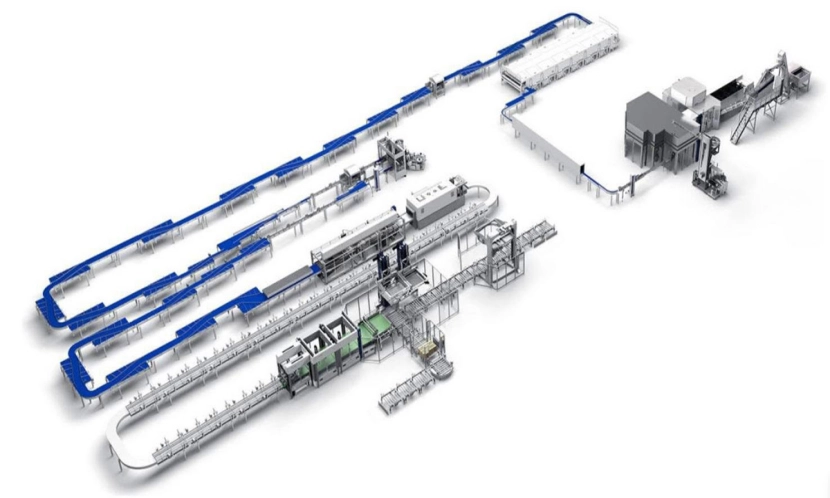
A typical line covers multiple steps. First comes preform making via injection molding. Then heating follows. Next, blowing shapes the preform. Cooling comes after that. Trimming and packing wrap it up. You can buy a full PET bottle line that ties all these into one smooth automated run. Or you might grab standalone molds to work with gear you already have.
What is PET Bottle Manufacturing
Injection molding shapes the preform, a short tube-like part that stretches into the bottle later. Blow molding heats this preform again. It then puffs it out with air inside a mold to get the right form. The mold works well with many blowing machines. It fits areas like bottled water for drinking, fruit juices, teas, energy drinks, fizzy sodas, milk drinks, cooking oils, sauces, household cleaners, food packs, meds, and more.
Manufacturers pick full lines or piece-by-piece setups based on their plant space and what the market wants.
Key Components in PET Bottle Production
Every step needs its own gear:
- Injection molding system:builds preforms with even wall thickness.
- Blowing system:turns preforms into bottles through steady heat and air push.
- Auxiliary equipment:chillers, cutters, and checkers keep things precise and steady.
We supply many kinds of needle valve hot runner preform molds, from 1 cavity up to 144 cavities. This spread shows how you can match injection setups to your output needs.
What Is a Complete PET Bottle Line?
Before we dig into costs, let’s clarify what makes up a full PET bottle line.
Definition and Structure of a Complete Line
A full line links injection molding systems, blowing systems, fillers, labelers, and packers into one nonstop flow. Customers get tailored plans that cover main machines, process uses, automation, helpers, smart services, work spaces, and beyond.
This setup makes shifts between steps easy. It cuts down on hands-on work.
Main Features of a Complete Line
Key traits stand out:
- A matched flow that cuts handling mistakes.
- A single control hub for steady quality.
- Smart power sharing among linked machines.
This build boosts output. It also makes watching easier with one software tool.
Advantages of a Complete PET Bottle Line
Full lines bring real gains:
- Nonstop runs lower stoppages.
- Auto features reduce worker needs.
- One-stop tech help eases fixes, as parts come from a single source.
What Is a Standalone Mold Setup?
Full lines suit big output spots. Yet standalone molds fit tighter needs or modest shops better.
Definition of a Standalone Mold System
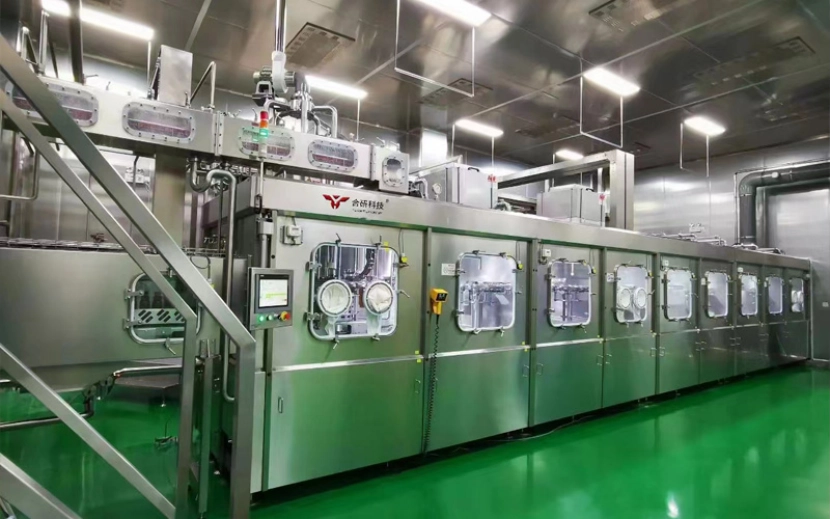
A standalone mold system targets single tools—like injection or blow molds—that run on their own in setups you already own. It works for manufacturers with matching machines who just want fresh mold shapes or tweaks.
Features of Standalone Molds
These molds come with useful perks:
- Tailored shapes for varied bottle sizes or styles.
- Fit with various blowers such as SIDEL or KRONES.
- Smaller upfront spend than a whole line.
We give clients full mold answers, from varied products to updates.
Benefits of Using Standalone Molds
These systems shine when quick changes count over raw speed:
- Great for short runs or special markets.
- Simple tweaks without swapping full gear.
- Choice in vendors cuts reliance risks.
Comparing Cost Efficiency: Complete Line vs Standalone Mold
Money matters often tip the scale. We break it down in three main cost spots.
Initial Investment Costs
Full lines ask for bigger starting cash. But they skip later tie-in hassles. Standalone molds look cheaper at first. Still, you might face surprise costs if you need to adjust other machines down the road.
Operational and Maintenance Expenses
Auto in full lines trims repeat jobs by workers. It holds quality steady as time goes on. Separate molds often need more tweaks. That’s because fits vary between brands of injection molding systems or blowing system parts.
Energy Consumption and Production Output
Linked setups use power wisely per bottle. They sync heat phases across machines. Gear with standalone molds eats more juice. Each piece runs solo, without shared smarts for savings.
Evaluating Productivity and Flexibility Factors
Output means more than just pace. It covers how well you handle quick market shifts too.
Production Speed and Efficiency Comparison
Full lines run fast and steady. Few breaks happen between steps. Standalone setups deal with pauses. These come from swapping molds or switching materials.
Adaptability to Market Changes or Product Variations
Standalone molds let you switch fast for new designs. Think testing fresh shapes or meeting holiday spikes. Full lines do best in steady spots. There, making millions of like bottles counts.
Long-Term Value Considerations for Manufacturers
Past short-term costs, think about growth and returns over years.
Scalability and Future Expansion Potential
Full lines let you add parts smoothly in the same build. Standalone ways offer bend but might need stage-by-stage changes as needs rise.
Strong skills and good people let firms like HEYAN TECHNOLOGY help clients grow well, no matter the setup.
Return on Investment (ROI) Over Time
Big producers get cash back quicker from full lines’ smooth work. Small shops making custom bottles see standalone molds as easier on the wallet early. But they build returns slower with lower volumes.
Choosing the Right Option for Your Business Needs
Picking between these rests on mixing short-term ease with lasting gains over time.
Factors to Consider Before Investing
Main things to weigh:
- Your monthly target output.
- Skilled staff ready for upkeep.
- Vendor trust for parts and service quality.
Provide technical support: Provide one-stop services such as product usage training and maintenance.
You should check local power rates too. Energy use sways total run costs a lot.
How HEYAN TECHNOLOGY Supports Both Solutions
HEYAN TECHNOLOGY handles both under one team—from single precise molds to whole PET bottle systems. HEYAN TECHNOLOGY sits in Guangdong Province. We mix engineering know-how with bendy tailoring. Clients pick what fits their aims without losing quality. We stress post-sale talks too. This helps businesses size up trade-offs between spend and lasting performance before they dive in.
FAQs
Q: What is the difference between injection molding systems and blow molding in PET production?
Injection molding forms preforms while blow molding inflates them into final bottles using air pressure inside a mold cavity.
Q: Why do complete PET bottle lines cost more initially?
Because they integrate multiple automated systems including injection molding systems, blowing system units, filling modules, and packaging stations into one continuous process.
Q: Are standalone molds suitable for large-scale manufacturing?
Not typically; they’re better suited for small-scale runs or specialized products requiring frequent design changes.
Q: How does automation affect energy consumption?
Automation optimizes heating cycles across connected machines reducing total energy per unit produced compared with manually operated setups.
Q: What industries commonly use PET bottle manufacturing technology?
Sectors like beverages, edible oils, pharmaceuticals, cosmetics packaging—all rely heavily on efficient PET bottle production technologies.


