

How to Reduce PET Bottle Costs with Lightweight Preform Design
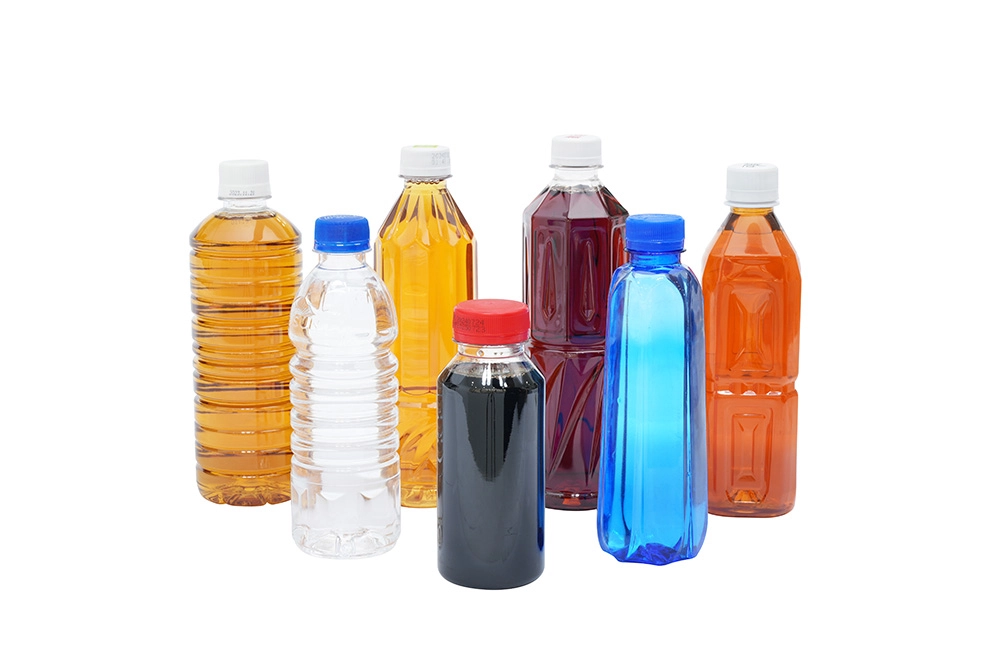
Lowering costs for PET bottles begins well before the bottle gets its final form. The real secret is in the way you design the PET preform. Saving even one gram of resin, cutting a single second from the cycle time, or boosting mold accuracy can lead to big savings. Smart lightweight preform designs not only use less material but also speed up production and support eco-friendly practices.
The Economics Behind PET Bottle Manufacturing
Material expenses make up the biggest part of producing PET bottles. Resin takes up about 70–80% of all costs, so figuring out the right amount of resin for each preform is key. A bulkier preform leads to more raw material per bottle, which raises overall expenses right away.
Preform weight matters a lot. If you trim just one gram from a 20-gram preform, you could save thousands of kilograms of resin each year in big operations. Plus, better designs help with quicker cooling and shorter cycles, which boosts how much you produce.
HEYAN’s engineers also improve molding by focusing on details. They create molds with even cavity setups and steady cooling paths. This way, manufacturers get reliable quality and cut down on scrap.
Why Lightweight Preform Design Matters for Cost Reduction
Going lightweight isn’t just popular; it’s a smart way to save money. You cut resin use right off the bat, which tackles the main cost in bottle making.
Lighter bottles help with shipping too. You fit more into each load without hitting weight caps. Over time, this adds up to better costs in the supply chain.
Energy use falls as well. In injection and blow molding, slimmer walls need less heat to shape and cool. So, power bills drop across the factory lines.
Key Principles of Lightweight PET Preform Design
A good lightweight design strikes a balance between toughness, function, and ease of making. You have to adjust each detail, from wall depth to neck shape, with care. This keeps the bottle strong while keeping weight low.
Optimizing Wall Thickness and Geometry
Smart lightweighting begins by fine-tuning wall thickness. Engineers weigh strength needs against low material to make sure bottles handle pressure inside without bending.
Modern CAD software lets them run stress checks and simulations. These tools predict how the design holds up under real strains. As a result, they spread thickness smartly—thicker in high-stress spots like the base or shoulder, and slimmer in other areas. This setup delivers lasting strength and smart savings.
Neck Finish and Thread Design Considerations
The neck section often holds extra weight since it needs to fit caps tightly. Manufacturers can slim it down with fresh thread shapes. They save resin this way without losing cap security.
Pairing it with slim caps that match the preform shape cuts total package weight more. Still, you must keep it working with current capping machines. That avoids extra costs for new tools or stoppages.
Material Selection and Resin Properties
Choices in materials matter just as much for successful lightweighting. Resins with high intrinsic viscosity (IV) give better strength at lighter weights. So, you can use thinner walls and still get solid bottles.
Blends with recycled PET (rPET) help meet green goals while watching costs. But you need to check how the resin flows. It affects even walls during injection molding, which is vital for steady bottle quality.
Advanced Technologies Supporting Lightweight Preform Production
New tech gives tight control in every step of making preforms, from mold creation to blow molding tweaks. This makes lightweight approaches work well in large factories.
Precision Mold Design for Weight Optimization
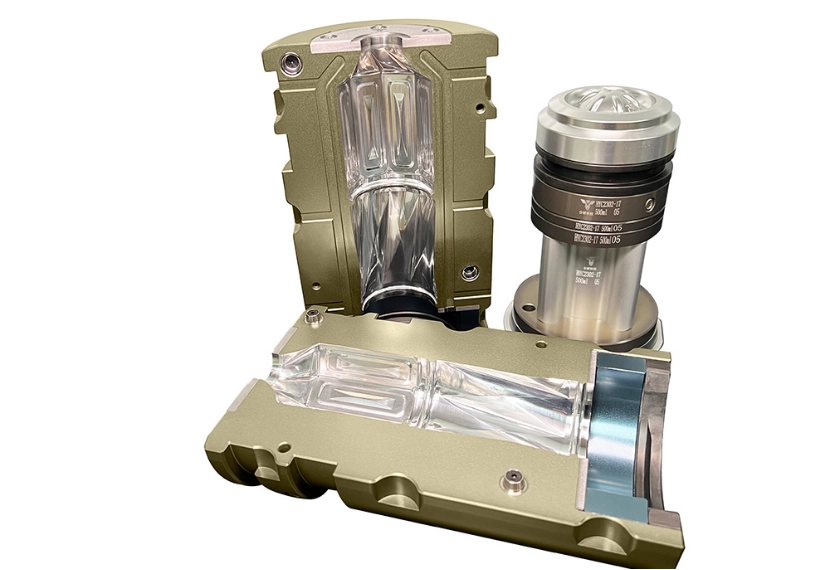
Exact molds form the base for even thin walls in many cavities. Systems with multiple cavities produce several at once and keep quality steady.
Supply various types of needle valve hot runner preform mold, ranging from 1 cavity to 144 cavities. This range lets manufacturers adjust output smoothly while hitting high accuracy in sizes.
Even cooling channels keep temperatures steady over the mold. They reduce twisting or uneven hardening as things cool.
HEYAN TECHNOLOGY is a high-tech enterprise, which integrating R&D, engineering, production and sales into one. Their expertise in precision mold manufacturing provides tailored solutions that enhance both product consistency and cost-effectiveness for PET preforms.
High-Efficiency Injection Molding Systems
Hot runner setups cut waste by skipping cold runners between cavities. Servo-driven units save energy too. They manage pressure exactly during shots.
Automation keeps quality even and cuts down on manual work. Inspection machines spot issues fast, holding tight control at quick paces.
Blow Molding Process Adaptation for Lightweight Bottles
You must adjust blow molding settings for slimmer preforms. Change blow pressure, heat patterns, and stretch levels. This keeps the bottle’s shape with less wall depth.
Sharp mold setup stops uneven pulls or thin spots. That’s a typical problem in lighter designs. It holds clarity and strength, even with pressure from fizz or hot fills.
Quality Assurance in Lightweight Preform Manufacturing
Lightweight setups call for strict checks. Thinner builds react more to small changes in processes or handling.
Testing Mechanical Strength and Performance Stability
Tests like drops, top-load crushes, and burst checks make sure lightweight bottles hit standards. You run these before going big.
Auto systems check sizes ongoing, like neck fit or wall evenness. Statistical Process Control (SPC) watches changes over time. It keeps batches reliable.
Addressing Common Challenges in Lightweight Design Implementation
Slender walls risk warping in cooling or storage without good heat control. Barriers to oxygen or CO₂ might weaken a bit too. So, tweak the resin mix.
Keep the look appealing—clear, shiny, see-through—even with recycled bits or thin parts. Shoppers notice this on shelves, and it sways their choices.
Integrating Lightweight Design into Production Strategy
Shifting to lightweight PET preforms needs a full plan. Mix fresh design ideas with solid engineering help from start to end.
HEYAN TECHNOLOGY has strong processing ability and excellent technical team. Our collaborative design approach ensures molds are optimized for specific shapes, volumes, and applications—whether for beverages, edible oils, or daily chemical packaging—while meeting each client’s operational constraints precisely.
Steady innovation keeps you ahead as green rules get stricter worldwide. It ties money wins to earth-friendly steps in the whole packaging chain.
FAQs
Q1: How does reducing PET preform weight affect bottle durability?
Properly optimized lightweight designs maintain required strength through balanced wall distribution and high-IV resins that compensate for reduced thicknesses.
Q2: What’s the typical percentage of cost savings from lightweight PET bottles?
Savings vary but generally range between 10–20% depending on resin price fluctuations and transportation volumes reduced by lower weights.
Q3: Can recycled PET be used effectively in lightweight bottles?
Yes—modern rPET grades offer sufficient clarity and strength when blended correctly with virgin materials under controlled processing conditions.
Q4: Why is mold precision so critical for lightweight production?
Any deviation in cavity alignment or temperature uniformity can cause inconsistent wall thicknesses that compromise both appearance and structural stability of thin-walled bottles.
Q5: How do manufacturers verify quality consistency during mass production?
They implement automated vision inspection systems combined with SPC monitoring tools that continuously measure dimensional accuracy across all produced preforms.