

How to Select the Best PET Preform for High-Speed Filling Lines?
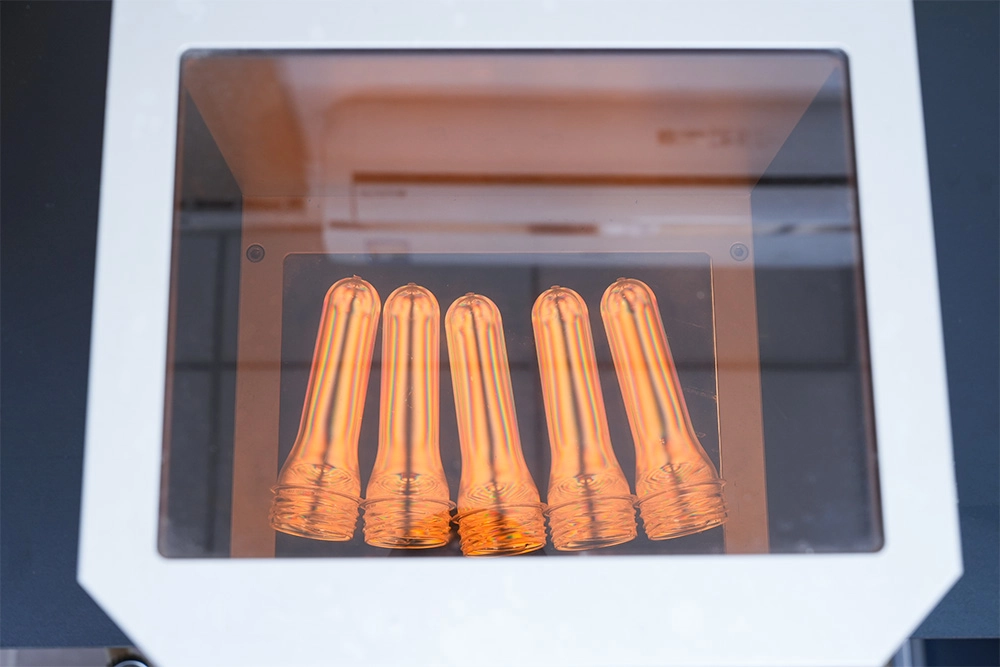
Selecting the best PET preform for high-speed filling lines hinges on one main idea: accuracy. Each tiny bit of a preform’s shape influences how well it blows, fills, and seals. When the plastic, mold, and layout sync with the machine’s pace and heat levels, companies gain both output and uniformity — key markers of triumph in today’s drink packaging world.
The Role of PET Preforms in Modern Packaging
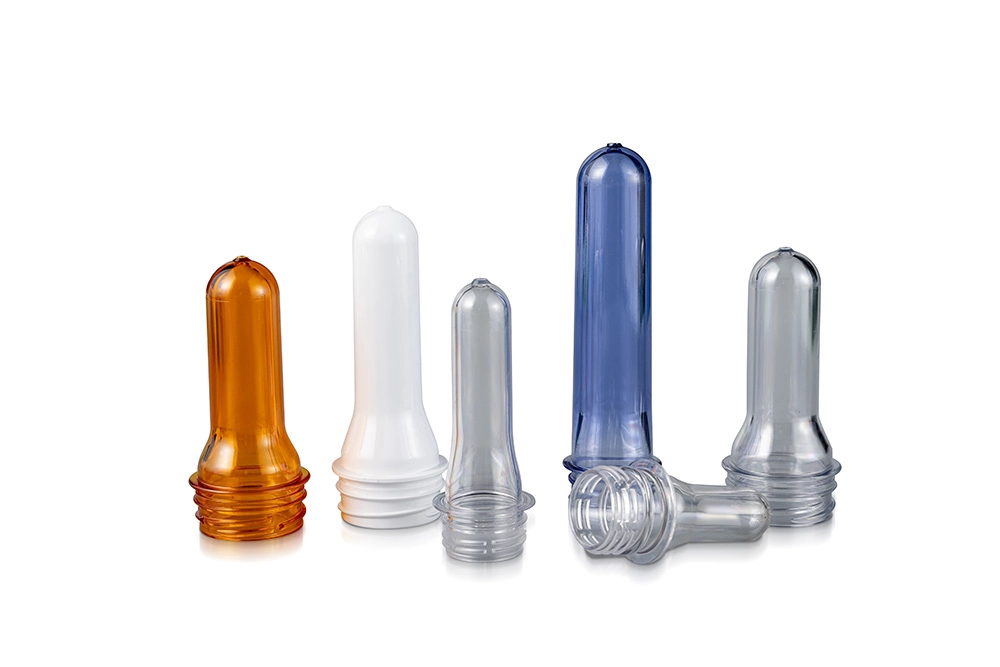
PET preforms form the base for plastic bottle making. Workers injection-mold these midway pieces, which then stretch into full bottles via blow molding. The caliber of these preforms shapes the clearness, physical toughness, and storage duration of the end container. Tiny variations in wall depth or neck edge might spark problems like irregular pulling or drips while filling.
You will find that preform layout ties directly to filling speed on fast lines. As the setup moves quicker, even heating and shape steadiness under force grow more vital. A smartly built preform cuts stoppages from clogs or tossed-out bottles.
Characteristics of High-Speed Filling Lines
High-speed filling lines run with three main features: quickness, exactness, and automatic control. These setups often manage thousands of bottles each hour with little human help. Yet, this level of work brings hurdles — keeping heat steady during warming, holding preform firmness through swift shift phases, and matching mold steps with fill nozzles.
You need tailored PET preforms to keep this smooth flow. They should endure fast heat shifts without bending or hardening unevenly. At the same time, they deliver steady blow molding results.
Key Factors to Consider When Selecting PET Preforms
Before picking a supplier or detail, think about what really drives results on fast lines.
Material Quality and Resin Selection
The plastic type directly affects clearness, pull strength, and ease of handling. Food-safe plastics guarantee security for drinks and keep see-through quality. Many opt for thick-flow plastics since they offer stronger melt hold during rapid rounds. Steady plastic flow ensures reliable blow molding even with intense heat patterns.
Preform Design Parameters for High-Speed Operations
A solid preform layout weighs slimming aims against sturdy performance.
Wall Thickness and Weight Distribution
Steady wall depth aids uniform heat uptake in blow molding — vital when rounds pass quickly. Slim builds lower material expenses. However, they must keep enough build strength to manage inside force from fizz or warm-fill setups. For instance, in a busy plant, even slight unevenness can slow things down.
Neck Finish and Thread Accuracy
Exactness counts most at top speeds here. A minor thread flaw might lead to crooked lids or seeps during auto-sealing. Close limits assure fit with various lid types that drink brands use.
Gate Type and Geometry Optimization
The gate spot — where hot plastic flows into the mold — shapes flow evenness and chill speed. Fine-tuned gate shape cuts inner strain areas. This avoids weak points in bottles after expansion.
Dimensional Stability and Tolerance Control
Narrow size limits let robot arms grasp and place preforms surely at quick rates. Cutting-edge mold tech helps a lot by guaranteeing repeat accuracy over countless rounds without drift.
Our years of tech strengths and hands-on know-how, paired with fresh methods and research skills from local and global sources, have led to full sets of top-notch injection molds. These offer smart overall build plans, sharp detail, reliable running, quick item turnaround, and small expenses. Such fine work directly backs steady preform yields fit for auto lines.
The Relationship Between PET Mold Quality and Preform Performance
Top molds sit at the center of dependable PET preforms.
The Role of Precision Molds in Consistent Production
A sharp mold trims round time swings and lessens flaws like extra bits or cloudiness. Mold face polish also sways how light travels through the end bottle — glossier faces bring better clearness.
Cooling System Efficiency in Mold Design
Strong cooling setups speed up round times. They also hold size correctness over every slot. Even heat spread stops twisting or bending — problems that show up more as speeds climb.
Maintenance and Longevity of PET Molds
Steady upkeep holds molds to limit bounds during long runs. Picking rust-proof stuff boosts lasting power under nonstop work common in drink factories.
The key shaped pieces use separate inserts. These ease swaps and fixes. This piece-by-piece style permits fast repairs without stopping whole lines — a big plus for sites on round-the-clock timetables.
Matching Preform Specifications with Filling Line Requirements
Linking preform details to exact line needs boosts yield and trims scraps.
Compatibility with Filling Line Speed and Temperature Settings
Preforms have to manage swift warming before blowing. Yet they keep form under quick chilling after filling. Plastic soundness under shifting force holds no shape loss during lid fitting or label steps. Many operators notice how this match prevents common snags.
Adaptation to Different Beverage Types and Packaging Needs
Various drinks call for distinct strength traits in their holders.
Carbonated Beverages vs Non-carbonated Liquids
Fizzy drinks need firmer walls to fight inside push. Non-fizzy ones can take lighter preforms to speed up round flow.
|
Beverage Type |
Key Requirement |
Recommended Feature |
|
Carbonated |
High pressure resistance |
Thicker base & reinforced neck |
|
Non-carbonated |
Lightweight & fast cycling |
Reduced wall thickness |
Hot-fill vs Cold-fill Applications
Warm-fill tasks put bottles under high heat. So, heat-tough PET types stop melting or twisting. Cool-fill jobs stress clear sight and slim tuning for expense cuts. In practice, this means choosing based on your daily fill type.
Evaluating Supplier Capabilities for High-Speed Production Needs
Past tech details, supplier skill sets lasting wins in keeping steady caliber under tough setups.
Importance of Technical Support from the Manufacturer
Tight teamwork between mold builders and bottle sites assures right fit between tool plans and line configs. Ongoing tech aid lets you tweak settings as output grows or item kinds widen. Builders who give tailoring options match odd brand wants or pack shapes better.
Quality Assurance Practices for Reliable PET Preforms
To hold steadiness, you need strict check routines across making stages.
Mechanical Strength Testing
Drop tests mimic handling bumps in shipping. Burst force tests check build trust under fizz pushes usual in soda pack lines.
Thermal Stability Testing
Heat tests confirm bottles keep form when hit with high warmth in warm-fill jobs or store spots near hot areas.
Future Trends in PET Preform Manufacturing for High-Speed Lines
New ideas keep molding how PET molds grow with auto shifts in bottle plants around the globe. Fresh plastic mixes allow thinner walls without losing firmness — cutting base stuff use while holding bottles firm for haul strains.
Sensors built into molds now watch heat evenness live. Forecast tools spot wear signs before flaws show. Rising use of recycled PET (rPET) spotlights green pushes in fields aiming to drop carbon marks. These keep see-through match to pure plastic types.
HEYAN TECHNOLOGY has steadily boosted its tech new ideas power, sharpened core edge of its goods, lifted quality bars of its items, and given buyers top one-stop fixes to fit custom needs.
FAQs
Q1. What is a PET preform used for?
A PET preform is an intermediate product molded from polyethylene terephthalate that expands into a finished plastic bottle during blow molding processes used in beverage packaging lines.
Q2. Why does wall thickness matter in PET preforms?
Even wall thickness ensures uniform heating during blow molding which prevents uneven stretching or weak spots in finished bottles.
Q3. How do I choose resin grade for my application?
Select food-grade resin with viscosity suited to your line speed; higher viscosity resins perform better under fast-cycle conditions common in beverage bottling plants.
Q4. What causes defects like haze or crystallization?
Improper cooling rates or inconsistent temperature control during injection can create internal stresses leading to visual imperfections such as haze marks on bottles.
Q5. Are recycled PET materials suitable for high-speed lines?
Yes—modern rPET formulations maintain comparable strength and clarity when processed correctly making them viable options for sustainable high-speed bottling operations.


