

PET Neck Finish Conversion for Tethered Caps: Mold and Line Upgrade Guide
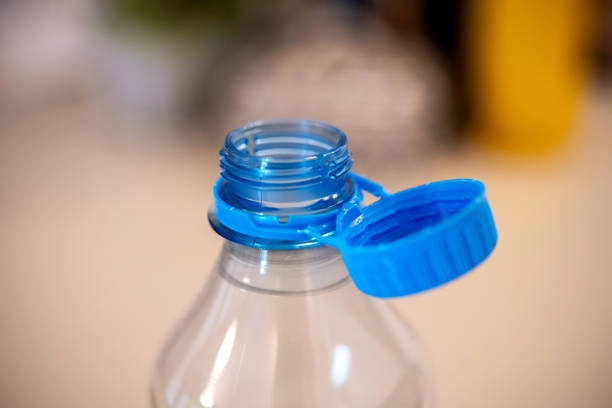
A tethered cap project may start with a simple request: keep the bottle, change the cap. On the production floor, that request quickly reaches the neck finish, preform mold, cap tooling, bottle handling, and capping system.
The package must still seal, open smoothly, remain attached, and run at normal line speed. This is a packaging system upgrade, not a cap only change.
Why Does a Tethered Cap Conversion Affect the PET Neck Finish?
A PET neck finish includes the thread, sealing surface, tamper evident bead, support ring, neck height, and the geometry below the neck.
A tethered cap changes the load on these features. After opening, the cap remains connected and pulls sideways through the hinge or bridge. That force can disturb band separation, opening torque, reclosing, or cap clearance.
One water bottler found that a new closure passed leak testing but rotated back toward the mouth after opening. The dimensions were within tolerance. The issue was the relationship between the hinge position, support ring, and opening angle.
Typical failures include high torque, partial band breakage, leakage, and cap contact with the bottle. The review must cover the preform, neck finish, cap, and capper together.
What Should Manufacturers Audit Before Selecting a New Neck Finish?
Record the beverage type, bottle volume, filling method, internal pressure, storage conditions, and target market. Still water, carbonated drinks, hot fill products, and aseptic beverages place different demands on the closure.
Confirm the current neck standard, preform weight, mold cavity counts, blow molding machine, capper model, and actual operating speed. Real performance matters more than rated capacity. A line rated at 36,000 bottles per hour may already lose output because of cap feeding.
The closure supplier should provide controlled drawings for the thread, seal, cap height, tamper band, hinge position, and torque range. Also decide whether the project is only a closure conversion or includes neck lightweighting. Combining both may save resin, but it increases validation risk.
Which Molds Must Be Modified or Replaced for the Conversion?
Some projects need only new neck components. Others require a new preform mold, cap mold, and handling parts. The difference depends on geometry, cooling, and machine compatibility.
PET Preform Mold and Neck Ring Changes
The neck ring, thread insert, and related components form the thread, sealing land, support ring, neck height, and tamper bead.
When the new finish is close to the existing standard, replacing neck rings and selected inserts may be practical. Cooling balance, split lines, opening movement, and preform take out still need review.
A lighter neck can cool differently and show more cavity variation. On a high cavitation mold, a small dimensional difference may appear later as unstable capping torque.
A new mold is safer when the existing structure cannot support the required geometry or cooling layout.
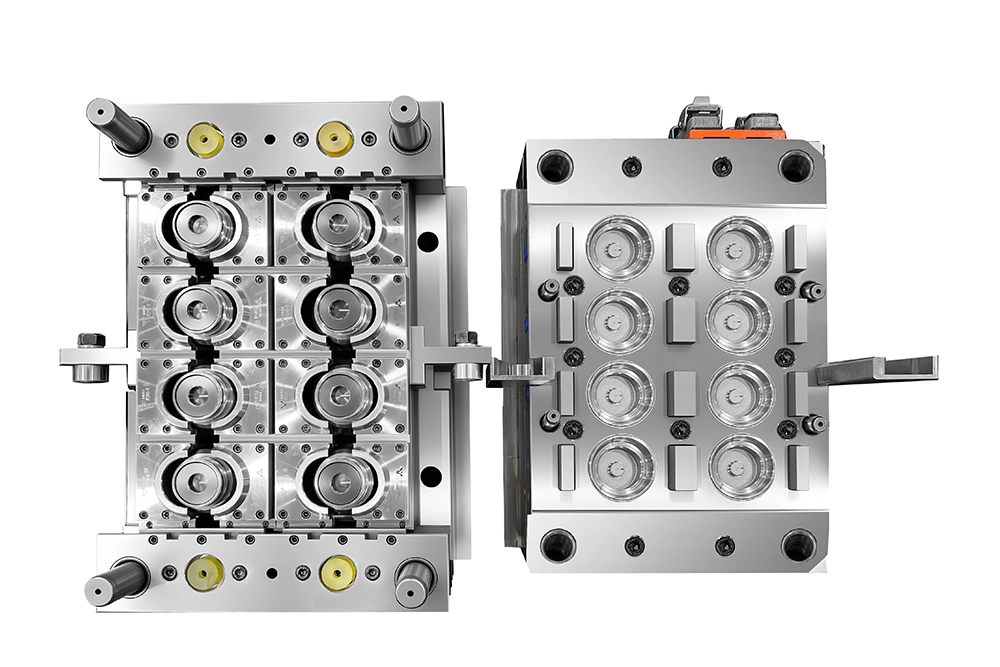
Tethered Cap Mold Requirements
The cap mold must form the hinge, tether, tamper band, seal, and thread consistently in every cavity.
The hinge is often thin and sensitive to filling balance. A cap may look acceptable but behave differently during opening if hinge thickness varies.
Hot runner balance, cooling, venting, and ejection all matter. Some caps leave the mold complete; others require slitting, folding, or finishing.
Freeze the closure design and post molding method before machining. A late bridge position change can affect inserts, inspection, ejection, and cap orientation equipment.
Blow Mold and Neck Handling Compatibility
The bottle body may stay unchanged, but the blow mold and handling system still need checking.
Review the neck pocket, transfer grippers, oven mandrels, support ring position, and shoulder clearance. A small neck height change can disturb transfer even when the bottle cavity is unchanged.
Lightweighted necks may also require new heating settings. Excess heat near the neck transition can deform the preform. These issues often appear only at production speed.
Which Production Line Components Need to Be Upgraded?
Good tooling does not guarantee a stable line. Tethered caps can jam in the sorter, flip in the chute, enter the capper at the wrong angle, or trigger false vision rejects.
Cap Manufacturing and Handling Equipment
Review cap ejection, conveying, inspection, sorting, elevation, and chute orientation.
A tethered cap may have an uneven center of gravity. The hinge can catch on guides or overlap neighboring caps during accumulation. Short trials may look stable, then the line stops after the hopper level changes.
The sorter may need new tooling or guide adjustments. Vision systems may also need new inspection criteria for damaged bridges or incomplete slitting.
Filling and Capping Line Upgrades
The capper chuck must match the new profile and apply the cap without damaging the tether. Check application torque, opening torque, pickup accuracy, and vertical load together.
Star wheels, neck guides, and centering parts may also need adjustment. Even a small neck height change can cause cross threading at high speed.
How Should the New Tethered Cap Package Be Tested and Validated?
Measure the neck and cap by cavity. Check the sealing diameter, thread, support ring, tamper bead, hinge thickness, and cap height. Average values can hide one weak cavity.
Package testing should cover leakage, application torque, opening torque, band separation, tether strength, opening angle, reclosing, and repeated use. Carbonated packages also need pressure tests.
Consumer handling matters. A cap can meet the drawing and still touch the user’s face or block the drinking opening.
Run an extended trial at the intended speed with the actual beverage and filling conditions. Track scrap, cap misfeeds, leakage, stops, output, and cavity variation. Ten stable minutes prove little.
How Can Manufacturers Reduce the Risk of a Tethered Cap Upgrade?
Freeze the approved neck and closure drawings before tooling starts.
Bring the preform mold supplier, cap mold supplier, blow molding engineer, and capper team into the same review. Separate approvals can produce a package where every component meets its own drawing but the line still fails.
Prototype parts and pilot production are worth the effort. Testing should use real temperatures, realistic storage, and target line speed.
A supplier able to review molds and line integration together can reduce handoff problems. HEYAN TECHNOLOGY provides PET preform molds, cap molds, blow molds, and complete injection and blowing line solutions for projects affecting several systems.
Plan the Conversion as a Complete Packaging System Upgrade
A stable conversion depends on the neck finish, preform tooling, cap design, handling equipment, and capper settings working together.
For an assessment, provide the current neck drawing, closure drawing, bottle and preform samples, machine models, cavity counts, and target speed. These details usually show whether the project needs a limited tooling change or a wider line upgrade.
Send the existing neck drawing, closure samples, machine models, mold cavity information, and target line speed before requesting a quotation. Those details reveal whether the job needs a limited tooling modification or a wider line upgrade.
FAQ
Q: Can an existing PET preform mold be modified for a tethered cap neck finish?
Often, yes. Neck rings and thread inserts can sometimes be replaced. A new mold may be required when geometry, cooling, opening movement, or handling changes significantly.
Q: Does a tethered cap always require a new capper?
No. Many cappers can be upgraded with new chucks, guides, and settings. Replacement is more likely when the machine cannot maintain torque or placement accuracy at target speed.
Q: Does the blow mold need to change?
Not always. The bottle cavity may remain usable, but the neck pocket, transfer parts, support ring clearance, and heating settings still need review.