

PET Bottle Manufacturing Process From PET Resin to Finished Bottle
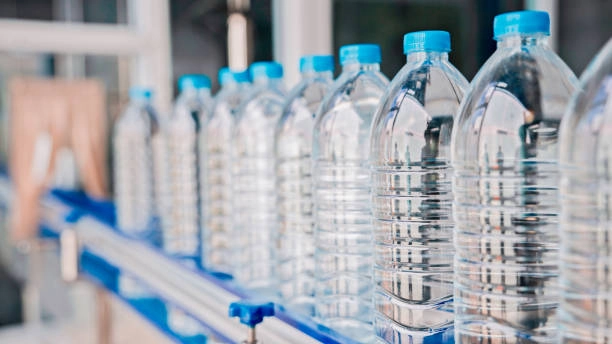
A PET bottle begins as resin. It ends as a package ready for filling. The material moves through drying. It then goes through injection molding. Reheating comes next. Stretch blow molding follows. The steps also cover inspection and closure production.
Each stage has an effect on the next. Wet resin can weaken a preform. Poor heating often creates thin bottle walls. An unsuitable cap and neck finish can cause leakage on the filling line. It helps manufacturers to understand the PET bottle manufacturing process. They can then select suitable molds and production equipment.
What Is the PET Bottle Manufacturing Process?
The basic flow is simple.
-
PET resin
-
Drying
-
injection molding
-
Preform
-
Reheating
-
stretch blow molding
-
bottle inspection
-
filling and packaging
Caps are normally produced separately. They must match the bottle neck. They also need to work with the customer’s capping system.
Step 1: Drying and Preparing PET Resin
PET absorbs moisture from the air. That moisture needs control before the resin enters the injection machine. When wet PET is heated, hydrolysis can reduce its molecular weight.
Preforms may then show haze. They can develop bubbles. Weak areas or unstable dimensions may appear. Dry resin gives the molding process a stable starting point. Without it, operators may adjust machine settings. They still fail to solve the real problem.
Step 2: PET Preform Injection Molding
Dried resin is heated into a uniform melt. The injection machine pushes it into the preform mold.
Melting and Injecting PET Resin
A preform is a thick tube. The finished bottle neck is already formed on it. Its body will later be stretched into the bottle.
Injection speed must match melt temperature. Holding pressure and cooling time also play important roles. Poor packing can cause weight variation. Excessive shear can damage the material.
The Role of a PET Preform Mold
The PET preform mold controls preform weight. It sets neck dimensions and wall thickness. Gate quality and cooling performance depend on it too. The mold also affects cycle time and material consumption.
Cooling channels should remove heat evenly. The hot-runner system should deliver the melt consistently to every cavity. A lightweight water bottle requires a different preform from a container designed for hot filling or carbonated drinks.
HEYAN TECHNOLOGY supplies PET preform molds and injection molding systems. The correct configuration depends on bottle shape, neck finish, target weight, output, and plant conditions.
Process Controls
Key controls include melt temperature and injection pressure. Holding pressure matters as well. Mold cooling and cavity balance are also vital. Operators should track preform weight and neck dimensions.
Resin batches can vary. Ambient conditions change over time. Mold wear appears gradually. Trend monitoring helps prevent a small variation from becoming a large batch of rejects.
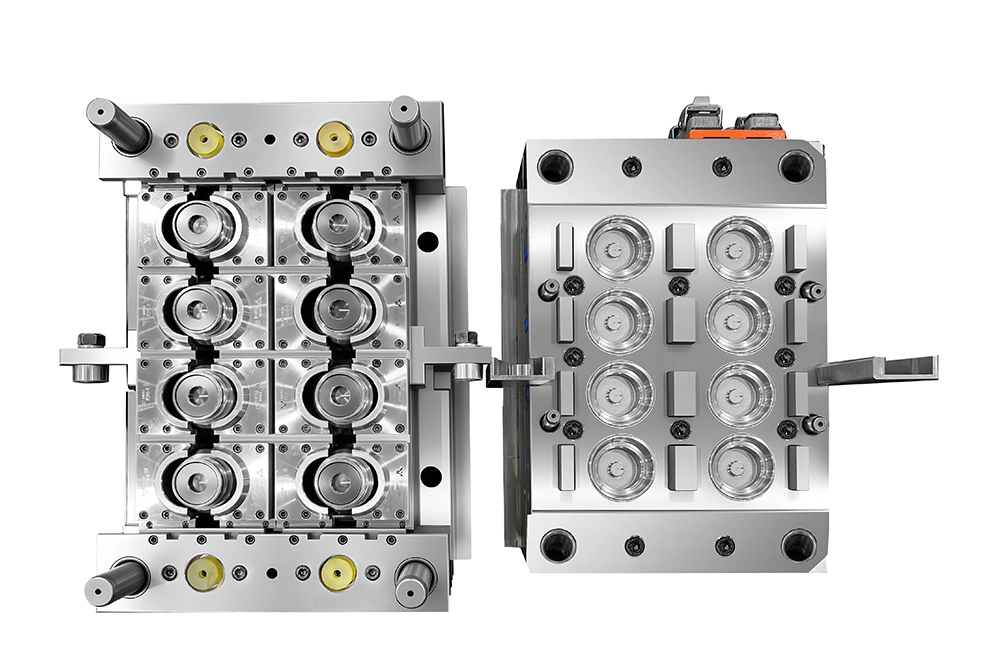
Step 3: Preform Cooling, Inspection, and Storage
Fresh preforms need enough cooling. This keeps their shape stable. Inspection checks weight and neck accuracy. It also looks at gate marks, contamination, and deformation.
Some factories transfer preforms directly to the blow molding machine. Others store them for later production. Handling should prevent scratches. It must also avoid dust and heat deformation.
The preform is the foundation of the finished bottle. Blow molding cannot fully correct inconsistent dimensions. It also cannot fix uneven material distribution.
Step 4: Reheating and Stretch Blow Molding
The preform is reheated before expansion. Its temperature must allow stretching. At the same time it must preserve the required material properties.
Reheating the Preform
Infrared lamps heat the preform as it moves through the oven. The heating profile depends on bottle geometry. It also depends on preform weight and resin behavior. Production speed plays a part too.
The neck normally needs protection. Its dimensions are already molded. The body needs a more carefully controlled profile.
Stretching and Blowing
A stretch rod extends the heated preform vertically. Compressed air expands it against the blow mold cavity.
The material becomes biaxially oriented. It stretches vertically. It also stretches around the circumference. Proper orientation improves strength. It adds clarity and pressure resistance.
The Role of a PET Blow Bottle Mold
The blow bottle mold defines the final container shape. It controls volume and shoulder profile. Base structure, label panel, grip features, and surface appearance are set by it as well.
Cooling performance is critical. Uneven mold temperature can cause distortion. It can also lead to inconsistent shrinkage. The mold must release the bottle without damaging surface details.
HEYAN TECHNOLOGY provides PET blow bottle molds and related blow molding systems. The preform mold and blow bottle mold should be developed together. Incorrect material distribution can create thin spots. It can also lead to unnecessary thickness.
Step 5: Bottle Cooling, Inspection, and Testing
After leaving the mold the bottle continues to cool. It also stabilizes. Inspection may check clarity and scratches. Black spots, shape, thread condition, and base formation receive attention too.
Testing depends on the application. Carbonated beverage bottles need reliable pressure resistance. They also require base stability. Other products may need leak testing or top-load checks. Burst or dimensional testing can apply as well.
A repeated defect often points to a process issue. A thin area may relate to heating. A weak base may relate to stretch timing or mold cooling.
Step 6: PET Cap Manufacturing and Closure Compatibility
A bottle is useful only when its closure seals correctly. Caps are produced through injection molding. Another method suited to the cap design can be used instead.
How PET Bottle Caps Are Made
A cap mold controls thread accuracy. It sets sealing surfaces and tamper-evident bands. Weight and appearance are managed carefully. Balanced cooling helps each cavity produce consistent parts.
A small dimensional change can affect torque. It may impact sealing or tamper-band performance on the filling line.
Why Bottle-and-Cap Compatibility Matters
The cap and bottle neck must use matching dimensions and standards. Poor compatibility can cause leakage. It may lead to cross-threading or loose closures. Damaged threads are another risk.
How a Complete PET Bottle Production Line Works
A complete PET bottle production line connects resin preparation with molding. It links to conveying and inspection. Downstream handling is included too. Equipment may include dryers and injection machines. Preform molds, heating ovens, and blow molding machines are part of it. Blow bottle molds, compressors, conveyors, and inspection units complete the setup.
Why Line Integration Matters
A machine may perform well alone. It can still create problems when connected to equipment with different output or timing. The line must match bottle size and production volume. Plant layout, compressed-air capacity, cooling water, and automation needs must fit as well. Integrated engineering reduces transfer problems. It also makes maintenance planning easier.
Key Factors That Affect PET Bottle Quality and Cost
Resin grade and recycled content play a role. Preform weight, mold cooling, and bottle geometry matter too. Stretch ratio, blow pressure, and cycle time all influence results.
Electricity and compressed air can become major operating costs on a high-output line. Lightweighting may reduce material use. Yet it requires closer control of preform design, heating, blowing, and testing.
How to Choose a PET Mold and Production-Line Supplier
A suitable supplier should be able to discuss the complete application.
-
required bottle volume and shape
-
neck finish and cap design
-
target preform weight
-
expected output
-
resin type and recycled-content ratio
-
plant utilities and available space
-
mold maintenance and spare parts
-
installation and commissioning support
The supplier should also explain how the preform mold and blow bottle mold will work together. That connection is often more important than an isolated equipment specification.
FAQs About PET Bottle Production
Q: What is the first step in making a PET bottle?
PET resin is dried before it is melted and injection molded into a preform.
Q: What is the difference between a preform mold and a blow bottle mold?
A preform mold creates the initial tube-shaped preform. A blow bottle mold defines the final bottle shape during stretch blow molding.
Q: Can one PET production line make different bottle sizes?
It depends on machine configuration, mold compatibility, changeover design, and the approved operating range.
Q: Why is mold quality important in PET bottle production?
Mold precision affects dimensions, material distribution, cooling, cycle time, appearance, and consistency.
From PET Resin to Finished Bottle: Build the Right Production System
PET bottle production is a connected process. Resin preparation affects injection molding. Preform quality affects blowing. Mold design affects material use and bottle performance.
Manufacturers planning a new project or upgrading an existing line can contact HEYAN TECHNOLOGY. They can discuss PET preform molds, blow bottle molds, cap molds, and integrated injection or blow molding systems.

