

PET Blow Mold Conversion for SIDEL Machines What Data Your Mold Supplier Needs
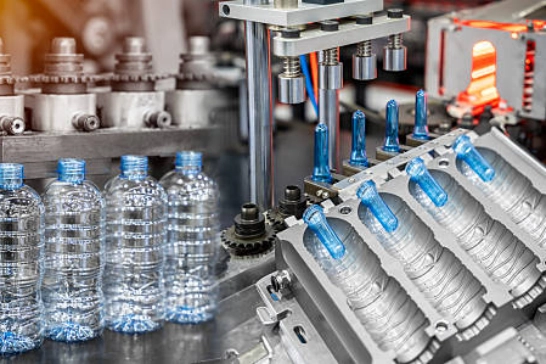
A PET blow mold conversion can look simple on a purchasing sheet: one bottle drawing, one machine name and a delivery date. On the shop floor, it is an interface project. The mold must fit the SIDEL machine. It must also suit the preform and cooling circuit. More important, it must produce an acceptable bottle at the required speed.
What Is a PET Blow Mold Conversion?
A conversion enables an existing SIDEL blow molding machine to run a new bottle format. The change may involve a different volume or shape. It may support lightweighting, a new neck finish or production transferred from another line.
Mechanical fit is only the entry point. A successful conversion reaches stable output without weak feet, off-center gates or large cavity variation. It should hold its process window through a production shift.
Why Incomplete Conversion Data Creates Production Risks
Two machines carrying the same series name may not have identical mold interfaces. Generations change. Plant modifications happen. A shell can fit while the base position remains wrong by a few millimeters.
Missing data returns as a commissioning problem. Cooling connections interfere. The stretch rod misses its depth or the bottle fails downstream handling. Correction consumes scheduled line time.
1. SIDEL Machine and Existing Mold Data
Machine data sets the fixed boundaries. Combine identification records with dimensions from a mold already running well.
Machine identification
Provide the exact SIDEL model and generation. Include the serial number, year and a readable nameplate photo. State whether the platform is rotary or linear. Add the number of blowing stations plus current and target output.
Avoid descriptions such as “standard SBO mold.” Note any rebuilds or local modifications. A used machine may no longer match its original documentation.
Mold interface information
Send the existing mold assembly drawing. It should define the shell, base mold and neck-ring interface. Include mounting points, locating surfaces and opening stroke.
Record stretch-rod geometry and blow-nozzle details. Show the transfer interface. Cooling connections need positions, sizes and thread standards. The wrong standard still stops installation.
Practical reference materials
Photographs close gaps in old drawings. Capture the mold holder, base mechanism and cooling connections. Add a short operating video if the mechanism is unusual.
Without reliable drawings, an approved old mold can be measured. Critical parts may also be shipped for inspection. Guessing from an outside dimension is not enough.
2. Bottle Design and Performance Requirements
The machine defines the envelope. Bottle geometry and performance targets define what must happen inside it.
Bottle geometry
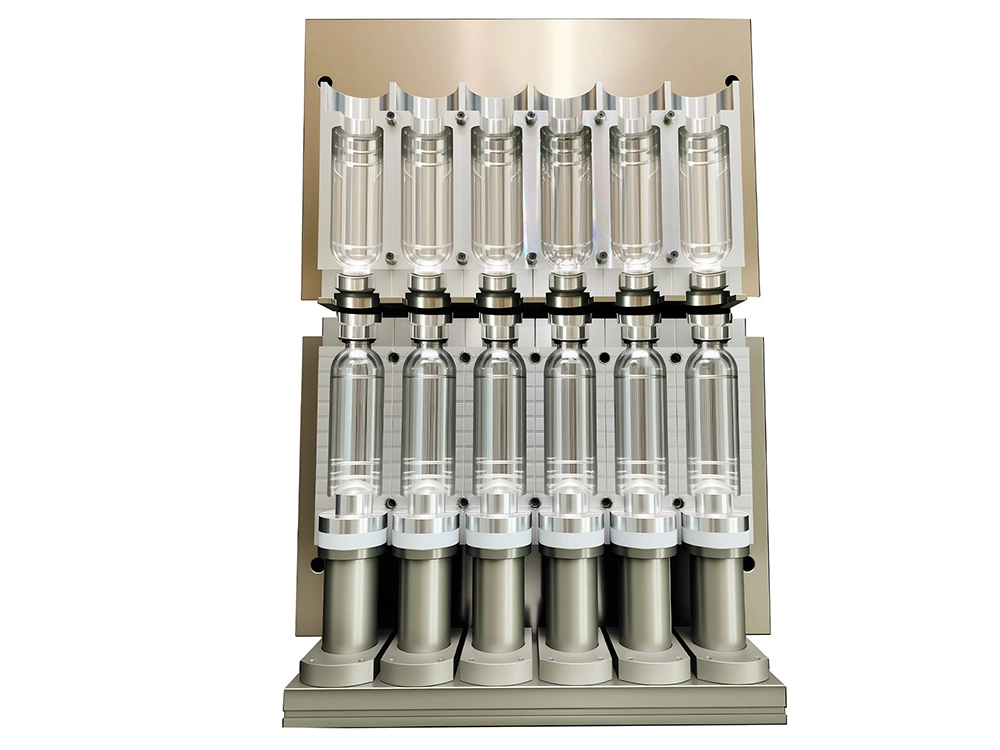
Supply a controlled 2D drawing and native 3D model. STEP or IGES is practical. Identify nominal volume, brimful volume and height. Mark the neck finish and critical tolerances.
Include the real base geometry. Label panels, grips and shoulder ribs need production detail. Confirm where a visible parting line is acceptable. This affects vents and inserts.
Bottle application
State the product and filling condition. Still water differs from carbonated beverage or hot-fill juice. Edible oil brings other handling concerns.
Define measurable targets such as top load, burst pressure and volume tolerance. Add downstream requirements. A bottle that passes a bench test but falls over at the rinser is not approved production.
Physical samples
Send approved bottle samples with revision labels. A sample exposes details CAD may hide: texture, parting-line quality and the standing ring. A benchmark also clarifies a brief such as “improve the base.”
3. Preform and Material Data
Preform weight is not a complete specification. Provide the drawing and samples. Include total length, neck finish, support ring and wall-thickness distribution. Show the gate. Note resin grade, recycled PET content and additives.
Report any change in preform source. Cavity consistency and neck crystallinity can affect reheating. Existing oven settings remain useful.
The review may show that the selected preform is unsuitable. Sometimes a bottle-detail change works better than added weight. When a new option is required, multi-cavity PET preform mold solutions can be considered.
4. Production Process and Utility Conditions
Record the heating profile, pre-blow timing and pressure ranges. Add high-pressure settings plus stretch sequence. Utility data should cover cooling-water temperature, pressure and flow. Air capacity also matters.
Share cycle time and the efficiency target. Include recurring defects. Pearlescence near the base or a hot panel after ejection can reveal a process constraint. For broader utility changes, blowing-line support can cover air and cooling equipment.
A Practical Data Package for Faster Mold Quotation
A quotation becomes more dependable when the first request contains one controlled package. Use this list:
-
SIDEL machine model, serial number and nameplate photo
-
Existing mold drawings or measured samples
-
Bottle 2D drawing and 3D CAD file
-
Approved bottle samples
-
Preform drawing, samples and resin information
-
Filling product and packaging requirements
-
Target output and acceptance criteria
-
Photos or videos of the mold-changing area
-
Cooling, air and process parameters
-
Required mold quantity and delivery schedule
Date every file. Identify which record controls if the sample and CAD differ. This prevents an obsolete design from reaching machining.
What Your Mold Supplier Should Confirm Before Manufacturing
Expect a written compatibility review before steel is cut. It should cover the machine interface, stretch ratios and mold material. Confirm cooling, venting and base movement.
The proposal should define inspection and trial conditions. Bottle acceptance needs numbers rather than “good appearance.” Agree on validation speed. Put installation guidance and spare inserts in the scope. If the closure changes, review cap mold and ring-lifting mold options against the same neck revision.
How HEYAN TECHNOLOGY Supports SIDEL Blow Mold Conversion Projects
HEYAN TECHNOLOGY builds customized rotary and linear PET blow molds for SIDEL and other widely used platforms. Engineering connects the bottle model with the preform and actual machine interface. Support can extend into process applications and auxiliary equipment.
That broader view helps mixed-age plants. A new bottle may expose limited cooling or unstable air supply. Addressing this before trials keeps responsibility clear.
Frequently Asked Questions
Q: Can a new PET bottle mold run on an older SIDEL machine?
Often, yes. The decision depends on machine generation, mold-holder interface and base mechanism. Serial-number data and an approved mold are the best references.
Q: Can a supplier quote from a bottle sample alone?
A sample supports a preliminary estimate. It is not enough for manufacturing release. Machine dimensions, preform data and acceptance criteria are still required.
Q: Does changing the bottle design require changing the preform?
Not always. Examine stretch ratios and material distribution. Performance targets can make the existing preform unsuitable even when the neck finish remains unchanged.
Conclusion
A SIDEL conversion starts with verified interfaces and one controlled data package. Planning a new bottle or replacing an aging mold? Send HEYAN TECHNOLOGY’s engineering team the nameplate, mold details, bottle files and preform specification. The team can prepare a proposal around actual line conditions.


