

How Accurate Is the Molding of a PET Bottle Cap Mold
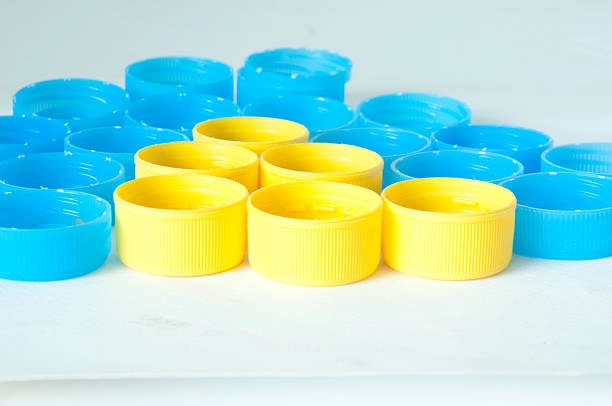
A PET cap can look acceptable on a sample table and still cause trouble on a filling line. A cap leaks after capping. A tamper band tears too early. One cavity produces noticeably heavier parts.
The mold sits at the center of these problems. A high-accuracy PET bottle cap mold is defined by repeatable dimensions. It also needs stable cavities and reliable sealing.
How Accurate Can a PET Bottle Cap Mold Be?
There is no universal accuracy number for every PET bottle cap mold. The tolerance depends on the cap drawing and neck-finish standard. Resin grade and production target matter too.
Thread geometry may need tighter control than an exterior diameter with no sealing function. A sealing plug may need a different tolerance. The cap must fit the bottle neck, run through the capping machine and pass leak and torque tests.
Three types of accuracy matter:
-
Geometric accuracy: the molded part matches the approved drawing.
-
Process repeatability: the same cavity produces the same part from cycle to cycle.
-
Functional accuracy: the cap seals, applies and opens as intended.
A mold may be machined precisely and still fail if cooling is uneven.
Which Dimensions Define PET Cap Mold Accuracy?
Critical dimensions are tied to how the closure works on a real bottle. The outside diameter alone is not enough.
Thread and Neck-Finish Compatibility
The cap thread must match the bottle neck finish in pitch, profile and lead-in position. If the thread starts at the wrong height, the cap can cross-thread on an automatic capping head. If the engagement is too shallow, torque readings may look acceptable while the seal remains unreliable.
Neck standards vary by application. Water, carbonated soft drinks and hot-fill products use different closure designs. Check the mold against the exact neck drawing rather than a catalog dimension.
Sealing Surface and Internal Plug
The internal plug or sealing ring controls contact with the bottle finish. Concentricity is important. A slightly uneven surface may pass visual inspection but leak when the bottle is squeezed or pressurized.
The top sealing land also needs a controlled relationship with the cap wall. Excessive contact can raise application torque. Too little can produce intermittent leakage. This often looks “random” until samples are traced to a cavity.
Tamper-Evident Band and Bridge Design
The tamper-evident band has a narrow operating window. Bridges must be strong enough to survive handling and weak enough to break cleanly at first opening.
Band diameter, bridge thickness and demolding conditions affect this behavior. A small mismatch can create broken rings during bagging or incomplete separation for the consumer.
Cavity-to-Cavity Consistency
Multi-cavity production magnifies small differences. If one cavity fills faster, its caps may show different weight or shrinkage. It can cause a leak complaint even when average dimensions look normal.
Use cavity numbering, individual sample records and statistical checks on critical dimensions.
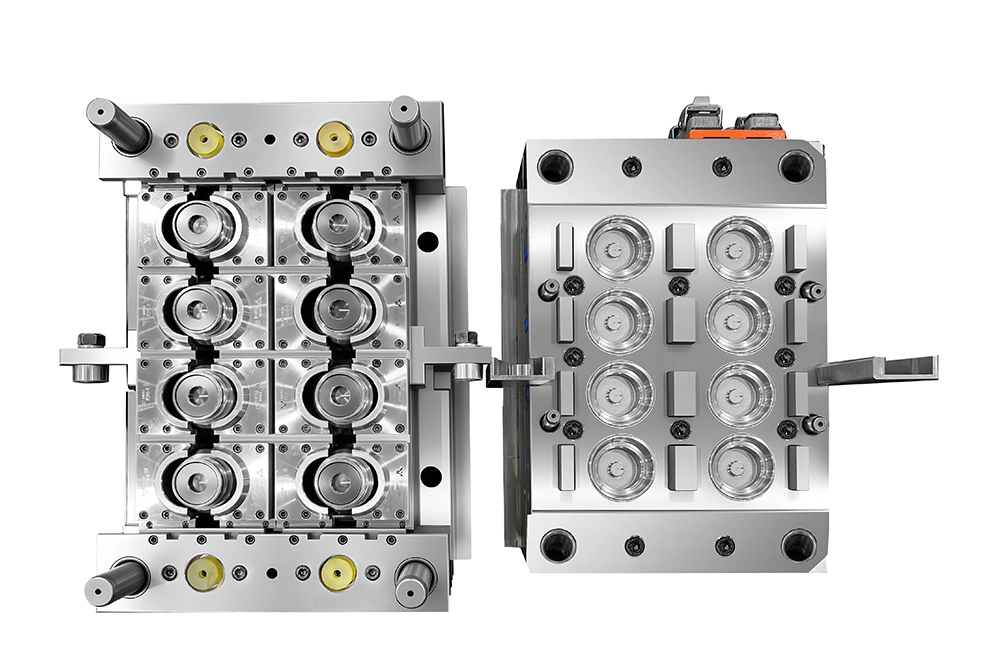
What Factors Affect the Precision of a PET Bottle Cap Mold?
Mold precision comes from several decisions working together. Machining is only one part.
Mold steel and heat treatment affect wear resistance and dimensional stability. Cap threads and shutoff areas see repeated mechanical stress. Corrosion resistance also matters when cooling water quality is inconsistent.
CNC machining and EDM must hold thread inserts, sealing surfaces and small tamper-band features. Polishing is functional. A rough surface can increase ejection force and mark the cap.
Runner balance controls how evenly each cavity receives melt. In a high-cavity mold, a small pressure difference can create weight variation. Uneven cooling leads to ovality, warpage and different shrinkage.
Resin behavior matters. Different grades have different flow and shrinkage. Melt temperature and injection speed shape the part. Holding pressure, cooling time and ejection timing matter as well. Design around the intended material and machine rather than a convenient substitute.
How Is PET Cap Mold Accuracy Tested?
Dimensional inspection should begin with samples from every cavity. A coordinate measuring machine can verify diameters and heights. It can also check concentricity and thread features. Optical measurement suits profiles and small bridge details. Calibrated thread and go/no-go gauges provide a fast production check.
Measurement alone does not prove that the closure will work. Functional tests should include application and removal torque. Leak testing and tamper-band checks are also needed. Take samples after the mold reaches stable temperature rather than only during the first cycles.
For a multi-cavity mold, record weight and critical dimensions by cavity. A longer run can reveal drift from cooling imbalance or process variation. Put these records in the mold trial or FAT documentation. Agree acceptance criteria before manufacturing.
Common Accuracy Problems in PET Cap Molding
| Problem | Possible Cause |
| Cap leakage | Uneven sealing surface, ovality or incorrect neck fit |
| Cross-threading | Incorrect thread geometry or poor concentricity |
| Flash on the parting line | Excessive pressure, mold wear or poor shutoff |
| Deformed cap | Uneven cooling, early ejection or excessive shrinkage |
| Broken tamper evident ring | Incorrect bridge design or demolding stress |
| Cavity weight variation | Runner imbalance, blocked cooling or inconsistent filling |
The useful clue is often cavity identity. If defects follow one cavity, inspect its insert and cooling path before changing the entire recipe.
What Should Buyers Ask a PET Cap Mold Manufacturer?
Before placing an order, buyers should ask:
-
Can the supplier review the bottle neck-finish drawing?
-
How are thread inserts and sealing surfaces inspected?
-
What steel and heat-treatment process are used?
-
How is hot-runner balance verified?
-
Are samples tested from every cavity?
-
Is a dimensional inspection report provided?
-
Are torque, leak and tamper-evident tests included?
-
What spare parts and maintenance documents are supplied?
-
How will mold optimization be handled after installation?
Support the answers with drawings, inspection records and trial samples. “High precision” means little without evidence.
How HEYAN TECHNOLOGY Supports High-Precision PET Cap Molding
HEYAN TECHNOLOGY provides customized PET cap mold solutions for closure projects that require controlled threads, sealing features and tamper-evident bands. HEYAN TECHNOLOGY’s multi-cavity injection mold work can be matched to the customer’s output target and machine conditions.
For projects involving more than the mold, the company also develops injection molding system solutions and related blowing system line support.
Conclusion
PET bottle cap mold accuracy is best judged by repeatable dimensions and confirmed sealing performance. Drawing review and cavity-level inspection reveal more than a single tolerance claim. Provide bottle and cap data before steel is cut.
FAQ
Q: What is the most important accuracy feature in a PET bottle cap mold?
Thread fit and sealing geometry are usually critical. Cavity consistency matters just as much in a high-volume run. The priority depends on the bottle neck finish and closure application.
Q: Can a high-precision mold eliminate all cap defects?
No. Resin selection and machine condition affect molded parts. Cooling stability and process settings matter too.
Q: How can I request the correct cap mold specification?
Contact HEYAN TECHNOLOGY and Send the cap drawing and neck-finish standard. Include the material, required output and injection-machine details.


